Trump Signals Iran Readiness for Ceasefire Talks Amid Oil Crisis and Strait of Hormuz Concerns

Editor 17 Mar, 2026 ... min lectura

President Donald Trump has signaled that Iran is prepared to engage in ceasefire negotiations, though he insists the current terms proposed by Tehran are insufficient to secure a comprehensive agreement. In a lengthy interview with NBC News, Trump emphasized that while Iran shows willingness to negotiate, the United States remains focused on stabilizing critical global energy routes, particularly the Strait of Hormuz, as oil prices surge due to recent escalations in regional conflicts.

During the conversation, Trump highlighted his efforts to coordinate with international partners to ensure uninterrupted shipping through the Strait of Hormuz, a vital corridor for global oil supplies. He acknowledged that disruptions in this strategic waterway have triggered significant price spikes, which he described as a direct consequence of Iran’s recent military actions. The president also addressed concerns about rising gasoline costs, stating that the U.S. government is working with allies to mitigate these effects while maintaining a firm stance on diplomatic solutions.

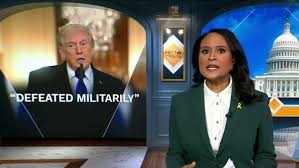
The interview revealed Trump’s cautious approach to the ongoing conflict with Iran, where he has previously criticized Iranian military operations as 'decimated'—a phrase he used to describe the impact of U.S. actions on Iranian capabilities. Despite this, he maintained that the U.S. must proceed cautiously to avoid further complications, especially given the heightened risk of renewed attacks on energy infrastructure.

Analysts suggest that Trump’s comments reflect a strategic balancing act between immediate security concerns and long-term diplomatic goals. With oil prices climbing globally and the Strait of Hormuz increasingly threatened, the president’s push for international cooperation to secure critical supply lines underscores the urgency of addressing the crisis before it escalates further.

Trump has not specified what terms would need to be improved to meet his standards for a formal ceasefire. However, his insistence on the quality of negotiations—rather than just the willingness to engage—has raised questions about the timeline and feasibility of a lasting resolution. This stance highlights the complexity of international diplomacy and the challenges in aligning interests between major powers amid volatile geopolitical conditions.

The situation has drawn attention from global energy markets, with analysts predicting that further disruption to the Strait of Hormuz could push oil prices to unprecedented levels if the conflict continues unchecked. Trump’s focus on stabilizing the region while maintaining a firm position on diplomatic engagement reflects the broader implications of this crisis for global economic stability and regional security.