Bolivia's Chikungunya Outbreak Intensifies in Santa Cruz, Health Authorities Issue Travel Alerts

Editor 12 Mar, 2026 ... min lectura

As of March 9, 2026, Bolivia has reported a significant surge in chikungunya cases, with the national tally reaching 5,371 infections according to the Ministry of Health. The department of Santa Cruz alone accounts for 4,371 cases, representing over 80% of all cases nationwide. This alarming trend has prompted health authorities to issue urgent travel advisories, particularly for travelers planning to visit the region.

The outbreak is concentrated in rural and urban areas of Santa Cruz, where the disease has shown a concerning upward trajectory despite previous reports of a downward trend. Health officials attribute this resurgence to increased vector activity and delayed responses to previous outbreaks. The National Vector-Borne Diseases Program has initiated an Integrated Management strategy combining chemical and biological control methods to combat the spread.

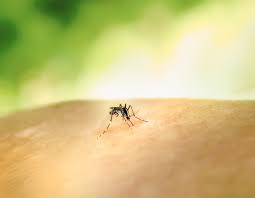
Travelers heading to Bolivia should be aware that chikungunya poses significant health risks, including high fever, severe joint pain, and potential long-term arthralgia. The disease is transmitted through the bite of infected Aedes mosquitoes, which thrive in warm, humid environments typical of Bolivia's tropical regions.

According to the World Health Organization, chikungunya is a viral illness that can lead to prolonged incapacitation, with some patients experiencing joint pain lasting months after recovery. In Santa Cruz, where the outbreak is most severe, the public health response has focused on community education and rapid case identification to prevent further transmission.

Health authorities in Bolivia have issued specific alerts for travelers to avoid areas with active outbreaks. The Ministry of Health recommends using insect repellent, wearing long-sleeved clothing, and avoiding standing water where mosquitoes breed. These preventive measures are critical for reducing transmission risk during the current outbreak.

International travelers should check with their local health authorities before departure, as the situation in Santa Cruz continues to evolve. The outbreak has also raised concerns about the broader implications for regional health security, particularly in areas with limited healthcare infrastructure.

For those planning to travel to Bolivia, especially to Santa Cruz, it is crucial to stay informed about the latest health advisories. The National Vector-Borne Diseases Program has established a dedicated hotline for travelers seeking immediate guidance on prevention and response protocols.