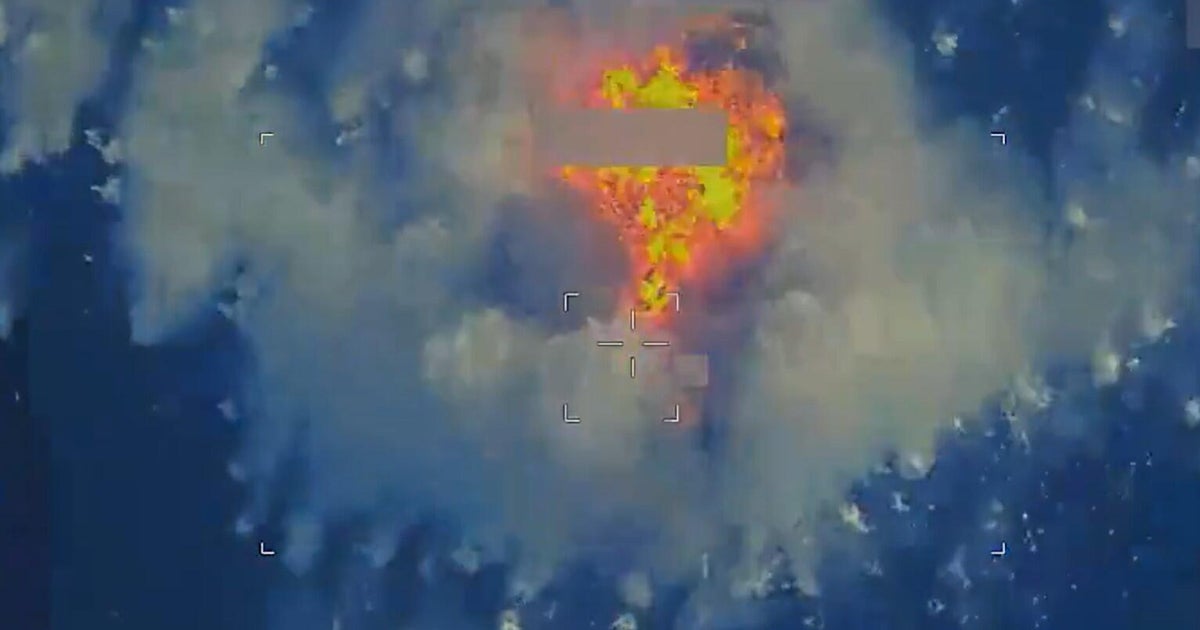
The U.S. military has launched a series of strikes targeting suspected drug trafficking vessels in the eastern Pacific Ocean, with the latest incident pushing the cumulative death toll from these operations above 200. According to a composite report from the U.S. Southern Command, a recent strike on an alleged drug boat resulted in three fatalities and two survivors, marking the third such attack within a week.
These strikes, conducted by U.S. Southern Command, are part of a broader campaign to combat transnational drug trafficking networks. The military has consistently targeted vessels suspected of transporting narcotics, particularly in high-traffic regions like the eastern Pacific, where drug smuggling operations often converge. The U.S. government has emphasized the need for rapid action to disrupt these networks, citing the threat of large-scale drug flows impacting public health and economic stability.
Historically, drug smuggling has been a persistent challenge for maritime security. The Pacific region has long been a critical transit point for illicit goods, with trafficking routes often involving complex coordination across multiple countries. The U.S. military’s role in this effort has evolved significantly, shifting from localized interdiction to more aggressive kinetic operations as the scale of the problem has grown.
Why is the U.S. increasing its military strikes in the Pacific?
Analysts suggest that the escalation reflects a strategic response to the growing volume of drug shipments and the increasing sophistication of smuggling networks. With drug trafficking routes becoming more resilient and adaptive, traditional naval patrols have struggled to keep pace. The U.S. military’s approach now focuses on precision strikes to dismantle key nodes in these supply chains.
- Targeted strikes on vessels with high drug cargo volumes
- Collaboration with regional allies to enhance intelligence sharing
- Use of advanced surveillance technologies to identify high-risk vessels
The military’s strategy emphasizes minimizing collateral damage while maximizing disruption. However, the humanitarian impact of these operations remains a contentious issue, particularly in regions where civilian populations are often caught in the crossfire.
The death toll has raised concerns among international observers, who argue that the military’s actions may inadvertently harm innocent civilians. Human rights organizations have called for greater transparency and adherence to international humanitarian law in these operations. The U.S. Southern Command has maintained that all strikes are conducted under strict protocols to avoid civilian casualties, but independent verification of these claims remains challenging.
As the conflict continues, the effectiveness of these strikes in reducing drug trafficking is still under scrutiny. Some experts believe that long-term solutions require addressing the root causes of drug proliferation, such as economic inequality and weak governance in source countries. Short-term military action, while critical for immediate disruption, may not fully address the systemic nature of the problem.