Virginia RV Crash Victims Navigate Legal Options with Gloucester County Accident Attorney Ken Gibson

Editor 11 Mar, 2026 ... min lectura

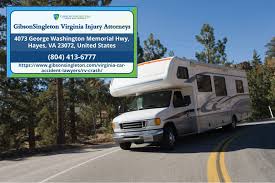
Virginia residents recovering from recreational vehicle (RV) accidents are increasingly turning to specialized accident attorneys like Ken Gibson of Gloucester County to secure fair compensation and navigate complex legal processes. Gibson, with over a decade of experience handling transportation-related incidents, emphasizes the critical importance of timely action when victims face significant injuries or property damage from RV collisions. His guidance highlights how victims often underestimate the urgency of documenting evidence immediately after an incident, which can significantly impact their ability to claim damages under state law.

According to Gibson, RV accidents in Virginia present unique challenges due to the mobile nature of these vehicles and varying state regulations governing their operation. Unlike traditional cars, RVs are subject to additional safety protocols, including specific requirements for driver licensing and vehicle inspections. Victims who fail to report incidents promptly may find themselves excluded from standard insurance coverage, leaving them to pursue claims through alternative legal channels such as personal injury lawsuits or insurance fraud investigations.

Gibson explains that many victims mistakenly believe they can rely solely on their RV's insurance policy to cover all damages. In reality, state laws dictate that insurance coverage for RVs differs from standard automobile policies, and victims must prove they were not at fault in the incident to qualify for coverage. This distinction is particularly crucial for those involved in multi-vehicle collisions where multiple parties may be liable.

Recent data from the Virginia Department of Motor Vehicles shows a 12% increase in RV-related incidents in Gloucester County over the past three years. Gibson notes this trend correlates with growing numbers of RV owners traveling across state lines for leisure and commercial purposes. He advises victims to immediately contact their local transportation department to verify if their vehicle meets state safety standards, as non-compliance can lead to additional legal complications when filing claims.

One key strategy Gibson recommends is to document every detail of the accident, including photographs of damage, witness statements, and medical records. These materials are essential for building a strong case when pursuing compensation for injuries or property damage. Additionally, he stresses the importance of understanding the nuances of Virginia's no-fault insurance system, which often requires victims to prove they were not at fault to receive benefits.

For those who have been involved in RV accidents but lack immediate access to medical care, Gibson suggests consulting a local transportation attorney to explore options under Virginia's emergency medical protocols. This step can be crucial for securing necessary medical treatment while also preserving evidence for potential legal action.

Virginia's evolving transportation laws, particularly regarding RVs, continue to create gaps in existing legal frameworks. Gibson warns that as more RVs are used for commercial purposes, these gaps could lead to increased litigation. He advocates for clearer state guidelines that distinguish between personal and commercial RV use to prevent misunderstandings about liability and coverage.

Gibson's approach focuses on empowering victims with practical steps they can take immediately after an accident, such as gathering evidence, understanding insurance coverage, and knowing their rights under state law. By working with an experienced attorney, victims can navigate these challenges more effectively and ensure they are not left without recourse when injuries or damages occur.