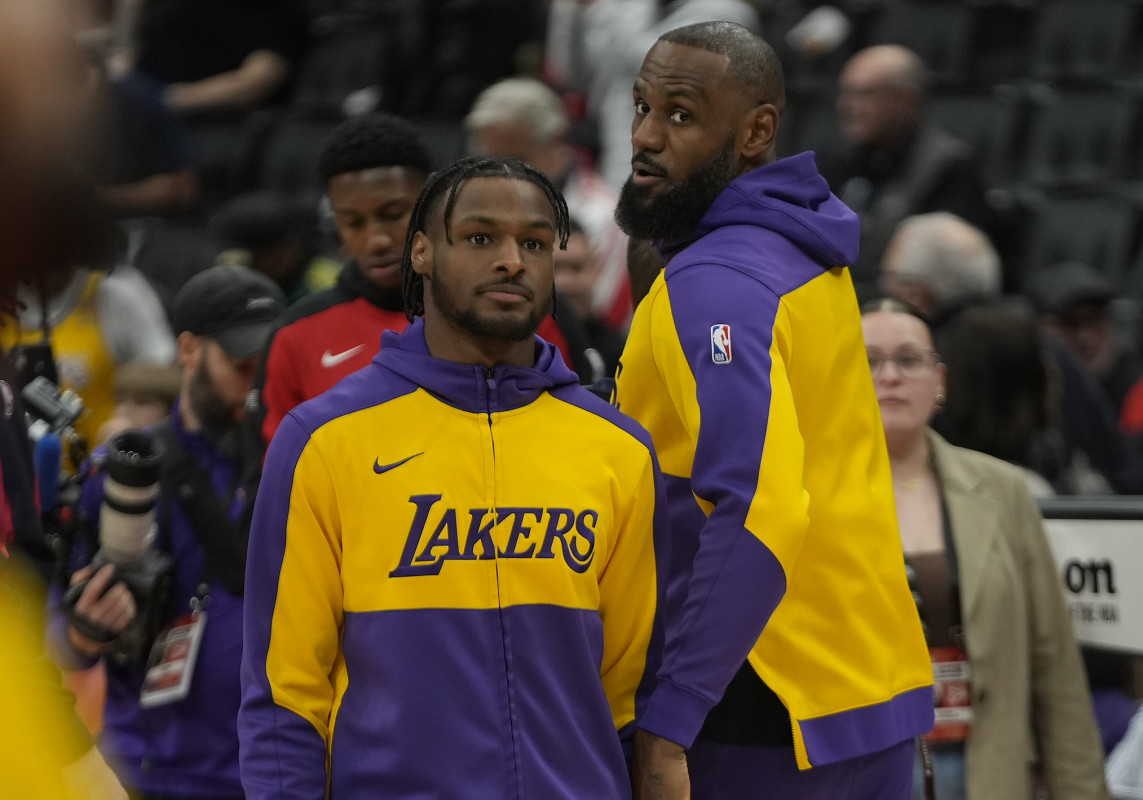
LeBron James and his son Bronny have become the most talked-about story in basketball this season, blending family legacy with generational opportunity. Their on-court chemistry has captivated fans and analysts alike, especially during the Lakers' recent victory over the Indiana Pacers. This isn't just a father-son moment—it's a strategic evolution in how the NBA is redefining family dynamics within sports.
At 21 years old, Bronny has already made a mark in the NBA Development League, showcasing skills that mirror his father's mastery of ball handling and defensive positioning. His journey began with a unique opportunity: LeBron, who has always emphasized the importance of family support, set up Bronny for a role in the NBA. Unlike many players who rely on recruitment or college success, Bronny's path was carefully orchestrated by his father, leveraging their shared history and mutual understanding of the game.
How Did Bronny's Father-Son Moment Become a Media Phenomenon?
During the Lakers' March 28, 2026 game against the Indiana Pacers, a simple on-court interaction between LeBron and Bronny drew national attention. As Bronny made his first professional appearance, LeBron stood beside him, pointing to the ball and guiding his son's movements. This moment, captured by cameras and shared online, highlighted the deep connection between the two men—a connection that extends beyond the court.
- LeBron's strategic guidance in real-time during Bronny's first game
- Broader implications for how family dynamics influence player development
- Media and social media's role in amplifying the father-son bond
The significance of this moment goes beyond entertainment. It represents a shift in how basketball is viewed as a sport that values family and mentorship. Historically, sports have often been dominated by individual talent, but Bronny's story shows how family systems can create a more holistic approach to athletic development.
From a strategic perspective, LeBron has been using his platform to create opportunities for Bronny. For example, during the Lakers' road trip, he ensured that Bronny had access to the latest training protocols and tactical insights. This approach is not just about winning games—it's about building a legacy that reflects the values of teamwork and family.
While some critics argue that such family dynamics could lead to over-reliance on one's father's influence, Bronny's success demonstrates that a well-structured mentorship system can enhance performance without compromising individuality. His ability to adapt to the fast-paced nature of the NBA has already shown promise, with his scoring and defensive skills aligning with his father's coaching style.
As the 2026 season progresses, this father-son dynamic could set a new standard for basketball. The NBA has seen similar moments before, but Bronny's case is unique because it's not just about the game—it's about the human element that makes sports more than just a competition.