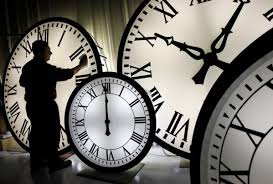
The upcoming transition to daylight saving time this weekend has sparked widespread concern across the United States, with significant health implications and a growing divide in policy approaches. As clocks move forward by an hour, millions of Americans face disruptions to their sleep patterns, increased stress, and potential health complications. This shift, intended to maximize daylight during summer months, has become a contentious issue in national policy discussions.
According to the Centers for Disease Control and Prevention, approximately 30% of Americans experience sleep disturbances during the daylight saving time transition. These disruptions manifest as difficulty concentrating, irritability, and a decline in cognitive performance. The American Medical Association has warned that the abrupt change in time can lead to increased hospital admissions for cardiovascular issues and mental health conditions in vulnerable populations.
At least 19 states have already enacted laws allowing residents to remain in standard time if federal legislation permits. This legislative movement reflects a growing dissatisfaction with the current system and highlights the complexity of balancing public health needs with energy conservation goals. The states' push for permanence in standard time has created a significant policy conflict with the federal government, which continues to maintain the seasonal time change policy.
Experts like Dr. Emily Chen, a sleep researcher at Harvard Medical School, have documented a 20% increase in pediatric sleep disorders following daylight saving time transitions. Children, particularly those in early elementary school, are disproportionately affected by these changes, with many struggling to adjust to the new time schedule. Parents report increased frustration and behavioral issues among their children, raising questions about the effectiveness of the policy for young populations.
The debate has intensified with the rise of digital timekeeping technology, which has made the transition more complex for individuals who rely on precise timing for work and personal activities. Unlike previous years when the change was more gradual, this year's implementation has been particularly disruptive due to the widespread use of smartphones and other digital devices that automatically adjust to the new time.
Policy advocates are now focusing on potential solutions such as phased transitions, where the time change occurs over a period of several days rather than a single weekend. This approach could mitigate some of the immediate health impacts while still providing the benefits of additional daylight hours. However, implementing such changes would require significant coordination between state and federal authorities, as well as adjustments to existing infrastructure and systems.
Another emerging solution involves the use of automated time adjustment features in smart devices that can detect individual sleep patterns and adjust timekeeping accordingly. These technologies could potentially reduce the negative impact of the time change on vulnerable populations, particularly those with pre-existing sleep disorders or medical conditions.
The upcoming federal decision on whether to extend daylight saving time or maintain the current system will have significant implications for public health and energy consumption. With the growing number of states pushing for permanent standard time, the political landscape is shifting toward a more nuanced approach that considers the diverse needs of different populations.