Hawks' Magic City Strip Club Celebration Sparks Debate Over NBA's Role in Women's Safety

Editor 06 Mar, 2026 ... min lectura

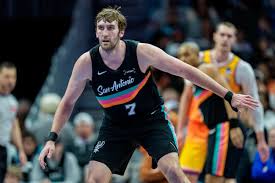
The Atlanta Hawks recently sparked national attention with their decision to host a one-night celebration of Magic City, a local strip club, during their season. This move has ignited a heated debate about the NBA's responsibility to address issues of gender-based violence and the normalization of adult entertainment in sports. The controversy centers on Luke Kornet, a San Antonio Spurs player, who has publicly criticized the Hawks' decision, arguing it risks contributing to the objectification and mistreatment of women. Kornet's statement, which emphasizes the need for the NBA to 'protect and esteem women,' has drawn significant attention from fans, players, and commentators alike.

The Hawks' decision to celebrate Magic City—known for its controversial history—has been met with mixed reactions. While some players, including former player Lou Williams, have defended the promotion, Kornet's intervention highlights growing concerns about the intersection of sports culture, gender equality, and ethical responsibility. His call for the Hawks to cancel the event reflects a broader push within the league to address systemic issues that may indirectly harm women through the promotion of venues where gender-based violence is a risk factor.

Kornet's stance is not isolated. The NBA has faced increasing scrutiny over its policies regarding player conduct and the influence of commercial partnerships that may expose athletes to environments where women's safety is compromised. Critics argue that the league's role in promoting venues that could contribute to the normalization of harmful behaviors must be reevaluated. This incident underscores the tension between the NBA's commercial interests and its duty to uphold ethical standards in a way that respects all stakeholders, particularly women.

Supporters of the Hawks' decision, including Lou Williams, argue that the celebration serves as a platform for local businesses and highlights the community's diversity. However, opponents like Kornet stress that the promotion could inadvertently normalize the conditions under which women are exploited, especially in environments where strip clubs are linked to higher rates of gender-based violence. The debate raises questions about how sports organizations balance community engagement with ethical responsibility.

The NBA's response to this situation has yet to be fully disclosed. However, the incident has prompted discussions about the need for clearer guidelines on partnerships with businesses that may have ties to environments where women's safety is at risk. As the league continues to navigate these complex issues, the outcome of this controversy could set a precedent for how the NBA addresses similar challenges in the future.

While the Hawks' decision has been widely discussed, it is important to recognize that the issue of gender-based violence in the context of strip clubs and its connection to sports is a complex one. The league must consider the broader implications of such partnerships and take proactive steps to ensure that its actions align with the values of respect and safety for all individuals, particularly women.