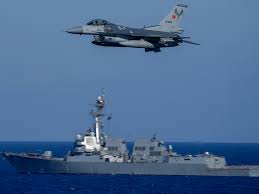
On March 4, 2026, NATO air defense systems intercepted a ballistic missile launched from Iran, which had traversed Iraqi and Syrian airspace before entering Turkish territory. The Turkish Ministry of Defence confirmed that the missile was successfully engaged by NATO assets, with no casualties reported among personnel involved in the operation. This incident marks one of the first instances where Iranian missile activity has been neutralized by NATO forces in a joint operation.
According to the Turkish Ministry of Defence, the missile originated from Iranian territory and traveled over 1,500 kilometers before being detected by NATO radar systems. The interception occurred approximately 120 kilometers from the Turkish coast, well before it could reach Turkish airspace. The operation involved multiple NATO member states, including the United States, Turkey, and European nations, working in coordination to prevent potential threats to regional security.
The incident highlights the growing role of NATO in collective defense against ballistic missile threats, particularly in the context of ongoing regional tensions involving Iran, Turkey, and its neighboring countries. Turkish officials have emphasized that this cooperation underscores the importance of multilateral efforts in maintaining regional stability in the Middle East.
Analysts suggest that this event reflects a broader shift in how NATO handles missile threats, with increased integration of air defense systems across member states. The successful interception demonstrates the capability of NATO to respond to emerging threats in a timely manner, even when those threats originate from outside traditional NATO member countries.
Experts have noted that this incident could have significant implications for future military cooperation between NATO and non-NATO states like Turkey, which is a key partner in regional security operations. The Turkish government has been working to strengthen its defense partnerships with NATO, particularly in the context of its strategic interests in the Eastern Mediterranean.
The event also raises questions about the effectiveness of existing missile defense systems and the need for continued investment in advanced technologies. With Iran's missile program advancing rapidly, the ability to intercept such threats has become increasingly critical for NATO and its allies.
While the immediate threat was neutralized, this incident underscores the importance of early warning systems and the need for coordinated international efforts to prevent potential conflicts in the region. The Turkish government has called for continued dialogue with NATO to enhance regional security cooperation and address emerging threats.