How Oil, Gold, and Stock Markets Responded to Recent Global Shocks

Editor 04 Mar, 2026 ... min lectura

Market Reactions to Escalating Middle East Tensions

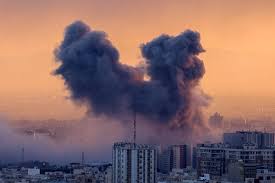
Recent volatility in the oil, gold, and stock markets has been driven by heightened geopolitical uncertainty following the US and Israeli military operations against Iran. The initial shock of these strikes triggered immediate price movements across major indices, with the S&P 500 (GSPC) falling by 0.94% and oil prices experiencing sharp adjustments. This reaction highlights how interconnected global financial systems are with regional conflicts, particularly in regions that supply critical commodities like oil. The immediate market response reflects a widespread fear of prolonged conflict and its potential ripple effects on economic stability and energy security.

The US Treasury’s response to the crisis has been a key factor in shaping the market outlook. With President Trump’s comments about a potential four- to five-week conflict, investors began anticipating extended disruption. This forecast has led to a more aggressive risk assessment, where short-term gains in equities have given way to a cautious stance. Financial analysts note that while stock markets typically rebound after initial shocks, the prolonged nature of this conflict has created a unique challenge for investors, who now face uncertainty about how long the volatility will persist.

Gold prices have shown resilience amid the turmoil, rising by 1.2% in the first 24 hours following the attacks. This trend is consistent with historical patterns where gold serves as a safe-haven asset during periods of geopolitical instability. However, gold’s performance is not immune to the broader market context, and its price movements are influenced by both short-term sentiment and long-term economic expectations. Analysts suggest that gold’s role as a hedge against uncertainty could become more pronounced if the conflict escalates into a prolonged crisis.

Oil prices, on the other hand, have been more volatile than expected. The immediate drop in oil prices has been offset by supply chain concerns, as the conflict disrupts key oil-producing regions like the Middle East. This has led to a more complex picture where short-term price drops are followed by potential long-term adjustments, depending on how the conflict evolves and how quickly alternative supply routes are established.

The analysis of these three markets reveals a critical juncture in global finance. While stock markets typically recover after short-term shocks, the prolonged nature of this conflict has created a unique challenge for investors. The interplay between oil, gold, and stock markets demonstrates how financial systems are deeply intertwined with geopolitical events, and the consequences of these events can be far-reaching for global economic stability.