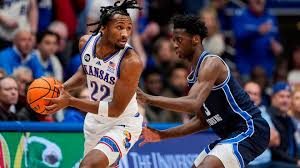
The 2026 NBA Draft, set to take place in June, is already generating significant buzz with AI-driven mock drafts predicting the top-three picks. These predictions, powered by advanced algorithms analyzing player stats, video footage, and historical performance data, are reshaping how teams approach the draft. The consensus among analysts suggests that Darryn Peterson of Kansas, AJ Dybantsa from BYU, and Cameron Boozer from Duke are poised to be the top-three selections in a class expected to produce multiple franchise players.
Why AI is Transforming NBA Draft Analysis
Traditional scouting methods have long relied on human experts evaluating players through one-on-one interviews and limited data sets. However, AI models now process vast amounts of information, including real-time tracking data, social media activity, and even in-game decision-making patterns. This shift has led to more precise and data-driven predictions, particularly for high-profile players like those in the 2026 class.
The Top Three: Consensus Picks and Their Implications
The 2026 class features a deep talent pool, with the top prospects being Darryn Peterson (Kansas), AJ Dybantsa (BYU), and Cameron Boozer (Duke). Peterson’s ability to excel in high-pressure situations, Dybantsa’s leadership as a team player, and Boozer’s versatile scoring and defensive capabilities are key factors in their projected top-three status. Teams are already preparing to leverage these players to strengthen their rosters, especially as the draft approaches in June.
Challenges of AI-Driven Draft Predictions
Despite the advancements, AI models face challenges such as data bias, limited access to real-time information, and the unpredictability of in-person interactions. For instance, a player’s performance under pressure might be misjudged by algorithms, leading to inaccurate predictions. Additionally, the draft process involves complex human elements like team chemistry and coaching styles that AI cannot fully replicate.
What This Means for Future Drafts
The integration of AI into draft analysis is not just a trend but a fundamental shift in how sports organizations operate. Teams are now incorporating AI tools to assess player development, injury risks, and potential impacts on team dynamics. This evolution promises more strategic and informed decisions, though it also raises questions about the role of human intuition in high-stakes decisions.