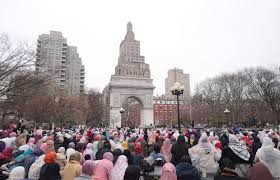
The Islamic calendar, which relies on astronomical observations rather than fixed solar dates, creates unique challenges for Muslims observing Ramadan. This year, as Daylight Saving Time (DST) transitions occur within the month, many Americans face unexpected shifts in their fasting schedules. Lubna Turaani, a 26-year-old nurse and college student in Virginia, exemplifies this reality. She has been meticulously planning her routine for weeks, adjusting her pre-dawn meals and daily activities to accommodate the one-hour shift that occurs when DST changes in the middle of Ramadan.
For Muslims across the United States, Ramadan is a time of spiritual growth, community, and cultural significance. The month begins with the sighting of the new moon and lasts for 30 days, ending with the sighting of the next moon. This year's Ramadan, starting February 17, coincides with a critical point in the U.S. calendar: the springtime shift in Daylight Saving Time. This overlap causes the start and end times of fasting to shift by one hour, creating a logistical challenge for those who rely on consistent routines.
The impact of this phenomenon varies significantly by location. In regions where DST applies, such as the eastern United States, the start of the fasting period (suhoor) can move by one hour earlier or later, depending on the timing of the clock change. This adjustment affects not only individual routines but also community practices, school schedules, and workplace arrangements. For students and healthcare workers like Lubna, who often balance personal health and religious obligations, the consequences can be profound.
As the month progresses, the variation in sun rise and set times creates a dynamic environment for prayer and fasting. While the Islamic calendar is fixed to the moon, the solar calendar used by governments and institutions shifts with the seasons. This mismatch results in a one-hour difference between the start of the fasting period and the end of the workday in some areas, forcing individuals to adjust their pre-dawn meals and post-dinner suhur hours.
Experts estimate that over 20 million Americans observe Ramadan, making this issue relevant to a substantial portion of the population. The challenges faced by those in different time zones and regions highlight the need for better communication and adaptation strategies. Organizations like the Islamic Center of America and local mosques are working to provide accurate timing information and support to their communities.
As this year's Ramadan unfolds, the interaction between the Islamic and solar calendars will continue to pose challenges. However, through careful planning and community support, many individuals can successfully navigate these changes while maintaining the spiritual integrity of their practice.