Netanyahu and US Diverge on Iran Nuclear Strategy: Key Differences in Approach

Editor 17 Feb, 2026 ... min lectura

Israel's Prime Minister Benjamin Netanyahu has consistently emphasized the necessity of dismantling Iran's entire nuclear infrastructure as a precondition for any nuclear deal. This stance contrasts sharply with the United States' current approach, which prioritizes a phased, incremental strategy aimed at preventing Iran from developing nuclear weapons while preserving diplomatic engagement.

The strategic divergence between Washington and Tel Aviv has deep roots in historical and security concerns. While the U.S. seeks a comprehensive bilateral agreement to limit Iran's nuclear activities, Israel views Iran's nuclear program as an existential threat requiring immediate, irreversible action. Netanyahu's position, as articulated in his recent statements to international media, is clear: any agreement must include the complete removal of Iran's nuclear capabilities, not merely a temporary suspension of enrichment activities.

During the recent Geneva talks mediated by Oman, the U.S. and Israel maintained a common goal of preventing Iran from becoming a nuclear power. However, the U.S. insists on allowing Iran to retain a limited nuclear program under strict international oversight, whereas Israel demands total dismantling of all nuclear facilities. This fundamental disagreement has led to tensions during negotiations, as the U.S. emphasizes diplomatic channels and verification mechanisms, while Israel prioritizes preemptive strikes and military action to neutralize Iranian threats.

Analysts highlight that the U.S. strategy focuses on securing a long-term, enforceable nuclear deal that could include a temporary suspension of Iran's nuclear program while maintaining international monitoring mechanisms. In contrast, Netanyahu's position requires a complete and irreversible dismantling of Iran's nuclear infrastructure, which would eliminate the risk of nuclear proliferation and address Israel's concerns about Iranian ballistic missile development.

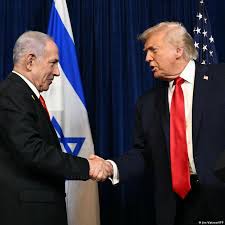
Recent developments, including Trump's public endorsement of Israeli military action against Iran's ballistic missile program, have further complicated the diplomatic landscape. According to CBS News, President Trump informed Netanyahu during a private meeting at Mar-a-Lago that he would support Israeli strikes on Iran's ballistic missile program if a deal was reached. This statement suggests a potential shift in U.S. policy toward more active support for Israeli military operations, which could further strain relations between the two nations.

The implications of these differences are significant for regional stability. While the U.S. aims for a diplomatic solution that balances Iran's rights with international security concerns, Israel seeks immediate action to counter Iran's growing military capabilities. The U.S. approach, which includes a phased strategy with gradual steps toward a comprehensive agreement, is seen as more diplomatic and less confrontational, while Israel's position is driven by its perception of an imminent, existential threat from Iran.

As the Geneva talks proceed, the success of any agreement will depend on both nations' ability to reconcile these divergent perspectives. The U.S. must navigate the complexities of its own domestic politics and international pressure to secure a deal that satisfies both its strategic interests and the needs of its allies, while Israel must weigh the risks of preemptive action against the potential benefits of a negotiated settlement.