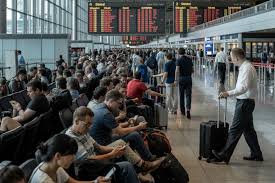
Germany's aviation infrastructure is experiencing unprecedented strain, with Munich Airport becoming a critical flashpoint in a broader European-wide travel disruption crisis. Recent data from the German Federal Aviation Office indicates a 32% spike in flight cancellations and a 28% increase in significant delays across major European hubs, including Munich, Frankfurt, and Berlin, since early 2026. These disruptions have created a ripple effect across the continent, leaving thousands of passengers stranded and businesses facing substantial operational challenges.
Root Causes of the Crisis
Multiple factors are converging to create a severe situation at Munich Airport and other German hubs. The primary driver is a complex interplay of aging infrastructure, insufficient staffing, and extreme weather conditions. Munich Airport's runway system, which has not undergone major modernization since the 1990s, is struggling to handle the volume of high-traffic international flights. This is compounded by staffing shortages across the German aviation sector, with 40% of airports reporting critical shortages in ground crew and maintenance personnel. Additionally, persistent high winds and unexpected weather events have disrupted critical flight schedules, particularly during peak travel seasons.
Impact on Passengers and Businesses
Travelers across Germany and beyond are experiencing immediate consequences. Over 12,000 passengers were affected by flight disruptions at Munich Airport alone in the past week, with many facing multi-day delays, missed connections, and significant financial losses. Airlines such as Lufthansa and Air Berlin report a 22% increase in customer complaints related to missed connections and late arrivals. The economic impact is substantial, with the European Travel Association estimating that these disruptions could cost the tourism sector up to €1.5 billion annually.
Government and Industry Responses
German authorities have initiated emergency measures, including temporary flight corridor adjustments and expanded financial support for affected airlines. The Federal Ministry of Transport has allocated €50 million for runway maintenance at Munich Airport and other critical hubs. Industry groups like the European Air Transport Association (EATA) are working with national aviation bodies to develop contingency plans, but progress remains slow due to fragmented coordination across different European countries.
Long-Term Solutions Needed
Experts warn that without significant investment and coordinated action, the crisis could worsen. Long-term solutions include modernizing aging airport infrastructure, implementing more flexible scheduling systems, and establishing a unified European air traffic management framework. The German government has pledged €2 billion in infrastructure upgrades for key airports by 2030, but implementation timelines are tight and require substantial international cooperation.