As the 2026 Wimbledon Championships approached, a curious pattern emerged in the media spotlight: Alexander Zverev’s reliance on his smartphone during critical matches. This behavior, once dismissed as a mere distraction, has now become a focal point in discussions about the evolving dynamics of modern tennis and family support systems. The story of Sophia Thomalla, Zverev’s close family member, has become emblematic of how personal relationships intersect with athletic performance in high-stakes competitions.
While Zverev’s on-court focus has long been debated, recent reports reveal that his interactions with Sophia Thomalla—a term often used colloquially to refer to his sister-in-law or a key family liaison—have been integral to his preparation. Unlike traditional coaching setups, Zverev’s team operates through a decentralized network, with Sophia playing a role that extends beyond familial ties. Her presence at Wimbledon 2026 highlights the nuanced interplay between an athlete’s personal life and professional demands.
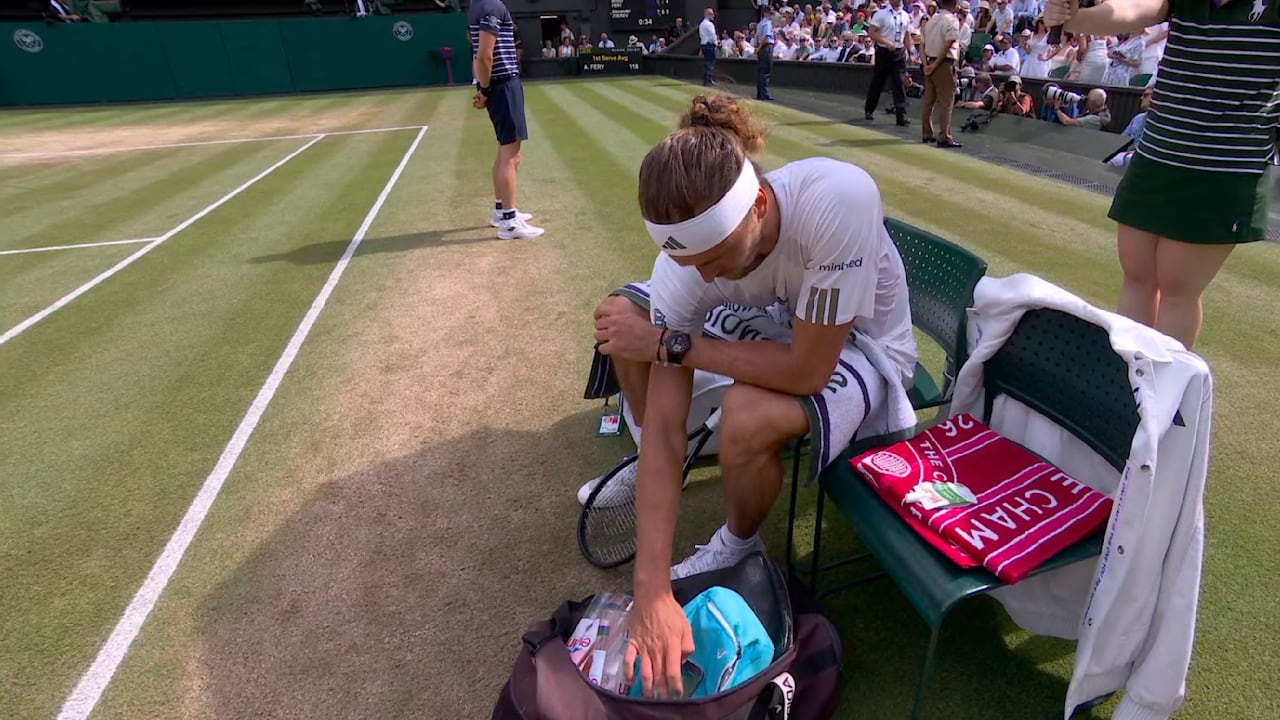
Why Does Zverev Check His Phone During Matches?
According to sources close to the tournament, Zverev checks his phone repeatedly during matches to coordinate with Sophia Thomalla, a strategic partner in his pre-match planning. This practice, initially perceived as a lapse in concentration, has been recontextualized as a deliberate tactical move. Sophia’s role as a liaison between Zverev and his support staff ensures seamless communication, allowing him to adjust strategies in real time without disrupting his focus on the court.
- Real-time data integration: Sophia helps Zverev access live statistics and opponent analytics.
- Personalized recovery protocols: She coordinates with medical staff for tailored post-match care.
- Family coordination: She manages scheduling for his extended team, including his dog (a recurring theme in Zverev’s team setup).
These adjustments are not isolated incidents but part of a broader shift in how elite athletes manage their personal and professional lives. The integration of family members into training regimens is increasingly common in high-level sports, where mental and physical preparation are equally critical.
Historically, tennis players have relied on coaches and trainers for tactical advice, but the modern landscape has evolved to include family members as key stakeholders. For Zverev, Sophia Thomalla represents a unique blend of familial connection and strategic partnership. This phenomenon underscores a growing trend in sports where personal networks are leveraged to enhance performance.
As the 2026 Wimbledon Championships progressed, the narrative around Sophia Thomalla’s role evolved from a simple anecdote to a critical component of Zverev’s success. Her influence, though often invisible, has been pivotal in maintaining Zverev’s mental clarity and strategic adaptability during high-pressure matches.