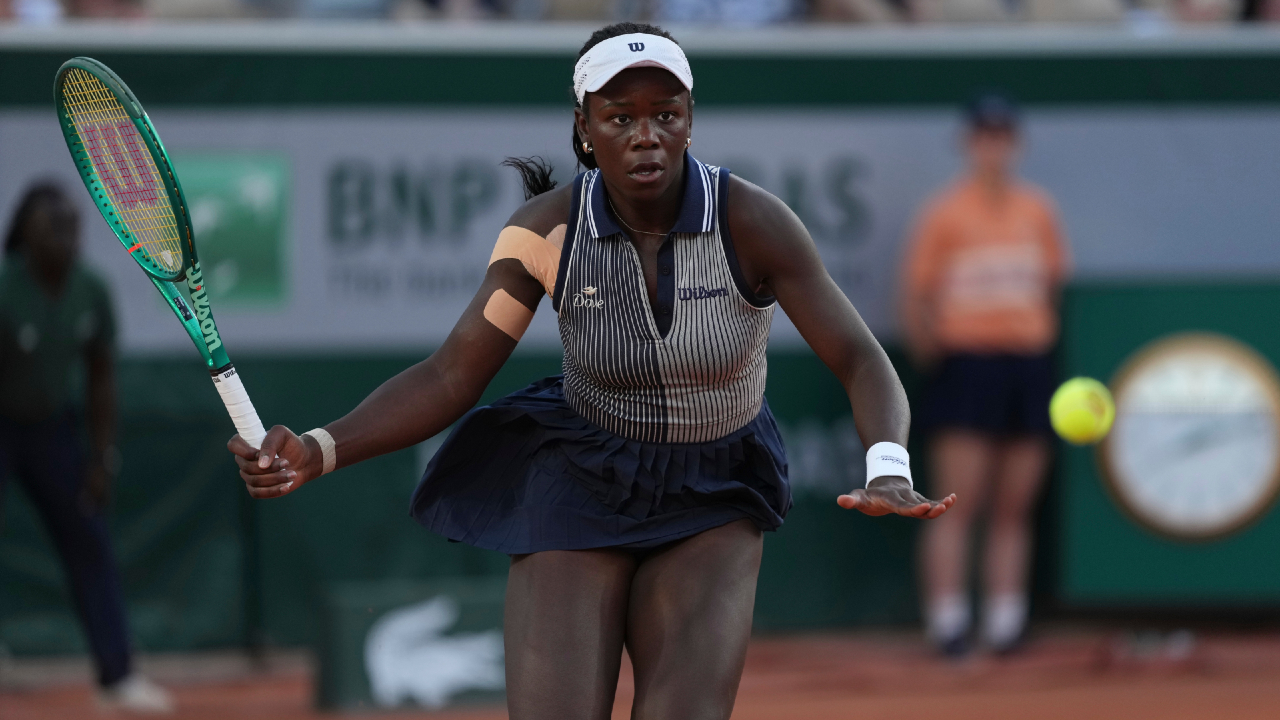
As the WTA Live Rankings system evolves, it becomes increasingly clear how elite athletes balance injury management with tactical decision-making in high-stakes tournaments. This dynamic interplay shapes not only individual careers but also the broader landscape of women's tennis. The recent withdrawals of key players like Victoria Mboko and Carlos Alcaraz highlight the complex challenges faced by athletes in maintaining competitive edge while managing physical demands.
Can a single injury disrupt a champion's trajectory?
Victoria Mboko, the defending champion at the National Bank Open in Toronto, has confirmed her absence from the upcoming tournament due to a knee injury. Her decision to withdraw underscores the critical role that injury management plays in tournament participation. The timing of her withdrawal—just days before the event—highlights the immediate impact of such setbacks on competitive rankings and fan engagement.
For tennis players, the WTA Live Rankings are more than just a numerical list; they reflect real-time performance and strategic planning. When athletes like Mboko face setbacks, their absence creates vacuums in the rankings that can be filled by emerging talents or established contenders with fewer injuries.
What happens when a player's ranking drops?
When a player like Mboko withdraws, the implications ripple through the rankings. The WTA adjusts the rankings based on the current performance of all competing players, ensuring that the system remains responsive to the latest developments.
- Injury impact: A knee injury can result in a significant drop in ranking points, affecting a player's eligibility and future tournament participation.
- Ranking adjustments: The WTA recalculates the rankings daily, incorporating the latest results and absences.
- Strategic shifts: Teams and coaches adapt their strategies to fill the gaps left by injured players, often prioritizing consistency over high-profile wins.
The WTA Live Rankings system is designed to be dynamic and responsive. However, the recent withdrawals of players like Mboko demonstrate how external factors, such as injury, can significantly alter the competitive landscape.
While the National Bank Open in Toronto is a major event on the WTA tour, the impact of these withdrawals extends beyond just the immediate tournament. The system's ability to adjust in real-time ensures that the rankings remain a reliable indicator of current form and potential.



