WHDH: Anchors and Accusations in Boston's News Landscape

Editor 30 May, 2026 ... min lectura

As Boston's local news powerhouse, WHDH (Channel 7) has long been a critical hub for breaking news and community engagement. Its recent activities highlight evolving dynamics in broadcast journalism and public safety concerns, particularly through two high-profile incidents: the resignation of anchor Amanda Crawford and the Dedham road rage incident involving a machete attack. These events reflect broader shifts in media practices and community safety challenges.

The resignation of Amanda Crawford, a veteran anchor at WHDH, underscores the growing pressure on news organizations to adapt to changing audience expectations. Crawford, who has spent 17 years pursuing her childhood dream in broadcast journalism, expressed her readiness for a change after witnessing colleagues leave the station. Her statement, 'Time for a change,' signals a potential shift in how news anchors engage with their audiences and the evolving role of local news in the digital age.

Can Local News Survive in a Digital-First Era?

Crawford’s decision highlights the tension between traditional news networks and the rapid evolution of news consumption. As audiences increasingly turn to digital platforms for immediacy, local stations like WHDH must balance the need for timely updates with the ethical responsibilities of reporting on sensitive incidents.

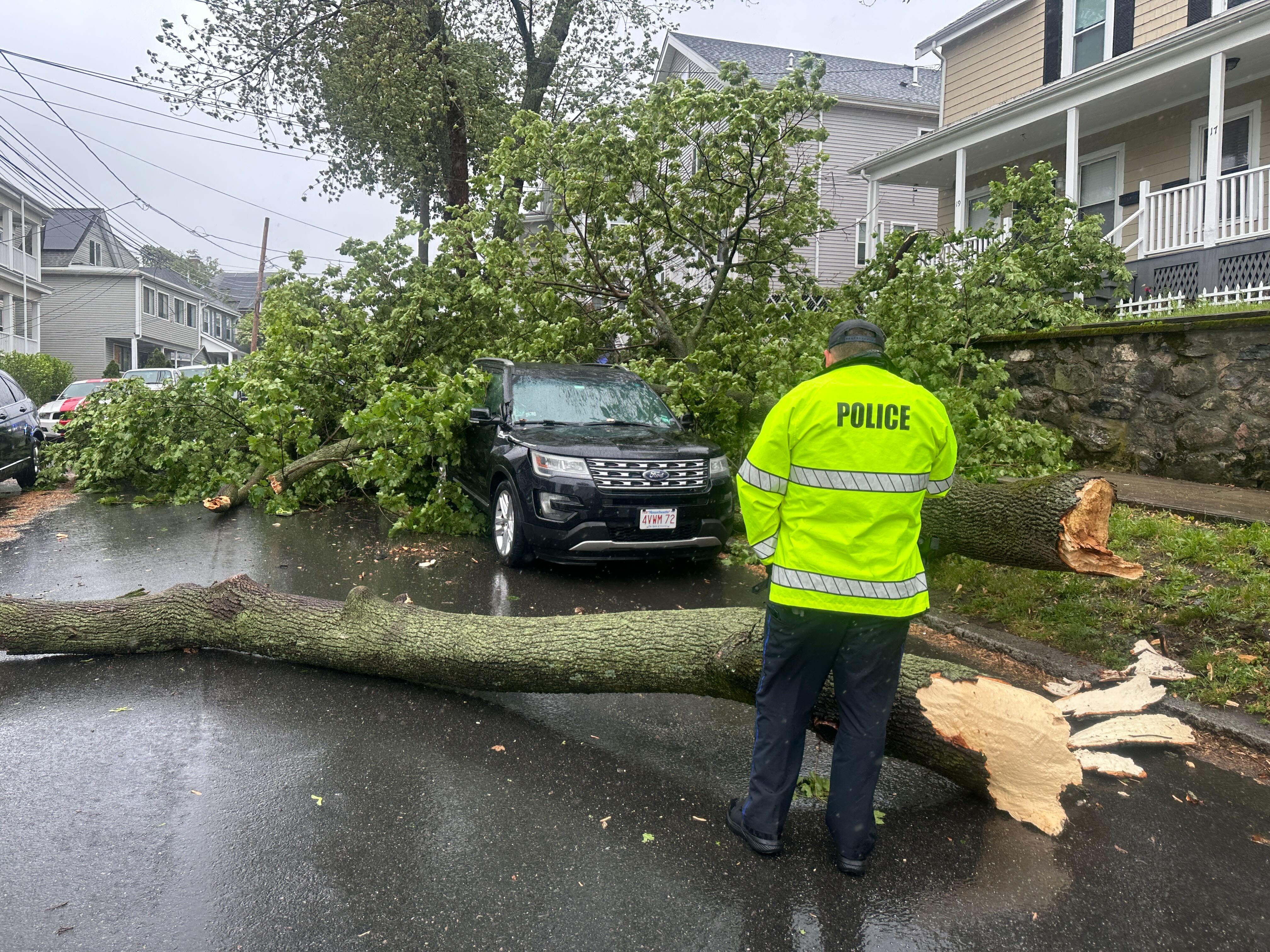
Meanwhile, the Dedham road rage incident—a chilling example of public safety risks—has drawn significant attention to the intersection of crime and media coverage. On May 29, 2026, a 51-year-old Newton resident was arrested for slashing a car with a machete during a road rage incident in Dedham. This case exemplifies the urgent need for community vigilance and coordinated emergency responses, especially in areas with high traffic volumes.

These two stories, while seemingly unrelated, share a critical commonality: they both reflect the challenges of maintaining trust and relevance in a rapidly changing media and social environment. WHDH’s role as a trusted news source is being tested by both internal shifts in journalism and external threats to public safety.

  • Media evolution: The shift from linear broadcasting to real-time digital engagement is reshaping how news organizations interact with their audiences.
  • Public safety concerns: Road rage incidents, particularly those involving lethal weapons, demand immediate and coordinated local law enforcement action.
  • Community trust: Local news outlets must balance transparency with sensitivity in covering high-stakes events.

As WHDH navigates these challenges, it must address both the internal dynamics of its newsroom and the external pressures of community safety. The anchor’s departure and the road rage incident together signal a pivotal moment for Boston’s media ecosystem, where the lines between news coverage and community safety are increasingly blurred.

The intersection of these two events reveals a broader narrative: local news organizations are no longer just information providers but active participants in shaping public awareness and safety. WHDH’s response to these incidents will determine its future role in Boston’s media landscape.