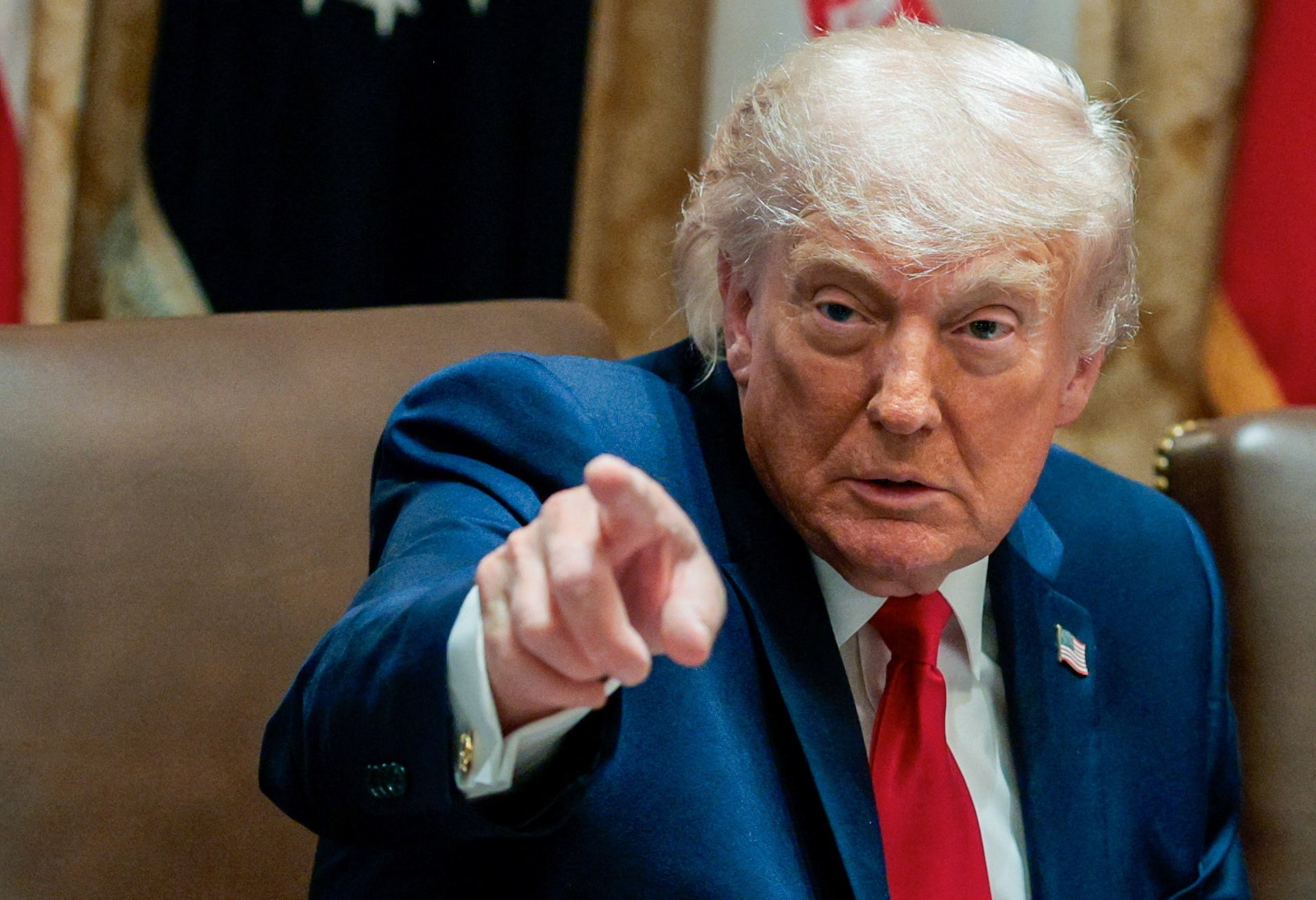
As the Middle East teeters on the brink of renewed conflict, U.S. President Donald Trump's recent marathon White House meeting has ignited a firestorm of uncertainty regarding the potential extension of the Iran ceasefire. The outcome of this high-stakes diplomatic effort, which took place over several hours, has left regional powers and global observers scrambling to assess its implications.
Is Iran's Ceasefire Really Safe?
With the U.S. and Iran having been in talks for over 92 days, the stakes have never been higher. The Iran war narrative has evolved dramatically since the initial ceasefire was established, and now, with Trump's direct involvement, the situation has taken a concerning turn.
Experts warn that the current state of the Middle East is fragile. The U.S. government's stance on Iran has shifted significantly since the last major diplomatic push, and this shift has created a vacuum of trust among key stakeholders.
- The White House meeting revealed a critical disconnect between U.S. policy and Iran's military actions
- Regional allies are deeply concerned about the potential for escalation
- Iranian officials have expressed cautious optimism about a possible extension
The most significant development is the fact that the U.S. has not yet confirmed any formal extension of the ceasefire. This lack of clarity has led to a surge in regional tensions, particularly in areas like Lebanon and Syria, where the conflict has been ongoing.
Analysts suggest that the U.S. government's approach to this issue has been inconsistent, especially when compared to previous diplomatic efforts. The White House meeting emphasized the need for a 'strong and clear' stance on Iran, but this has not translated into concrete action.
What's the Real Risk?
One of the key concerns is the potential for a diplomatic collapse. If the U.S. fails to secure a meaningful agreement, the conflict could spiral out of control. The Middle East is a complex region with multiple actors, and a single misstep could have widespread consequences.
Moreover, the prolonged nature of these negotiations has highlighted the challenges of maintaining a stable ceasefire. The Iran war timeline has been marked by delays, which have created a sense of urgency among all parties involved.
As the clock ticks towards the next critical juncture, the global community is watching closely. The outcome of this meeting could determine whether the current ceasefire holds or if a new phase of violence begins.