Bulgaria's Visa Dispute with U.S. Military: A Strategic Standoff at Sofia Airport

Editor 30 May, 2026 ... min lectura

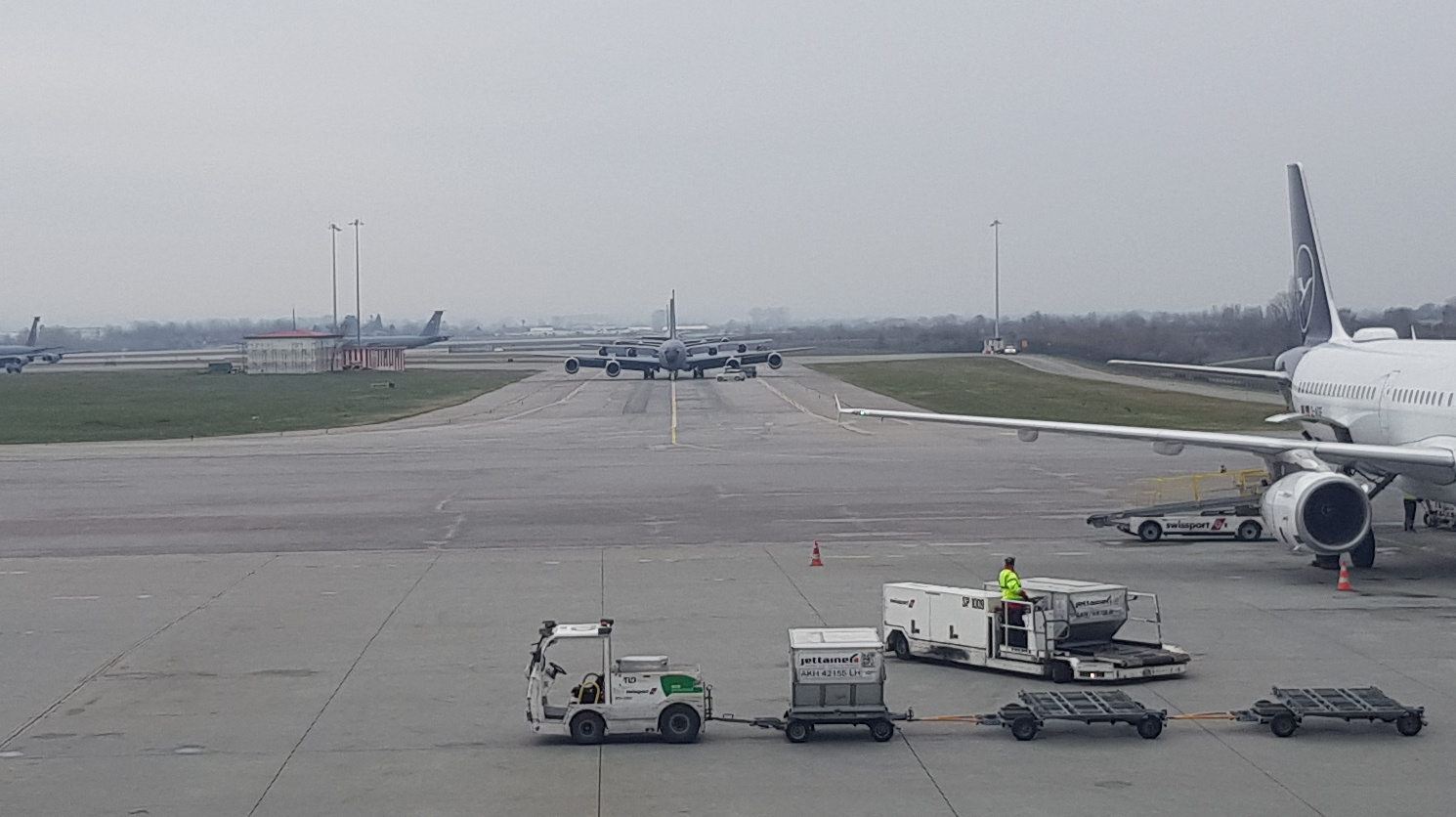
As geopolitical tensions simmer, Bulgaria’s diplomatic maneuvers have taken a sharp turn with the recent standoff over U.S. military aircraft and visa protocols. Prime Minister Rumen Radev’s recent statements have spotlighted a critical clash between Bulgarian sovereignty and U.S. military logistics, particularly concerning the extension of American KC-135 tanker aircraft at Sofia’s civilian airport.

Under the current arrangement, the U.S. military operates under a temporary visa waiver program that allows certain personnel and equipment to transit through Bulgarian airspace without full diplomatic clearance. This has been a contentious issue for months, with Bulgaria insisting on stricter compliance with international aviation standards and its own visa regulations.

Why is this conflict critical for global aviation security?

The dispute stems from a fundamental misalignment in how bilateral agreements are interpreted. Bulgaria has long emphasized transparency and adherence to the Vienna Convention on Road Traffic, which governs international air traffic. However, the U.S. military’s use of the visa waiver program—a mechanism designed for civilian passengers—has led to friction with Bulgarian authorities who argue it violates the principles of state sovereignty in air transport.

The key issue lies in the distinction between civilian and military operations. While the U.S. military’s need for rapid refueling is understood, the lack of formal agreements for military aircraft to use civilian infrastructure without full diplomatic clearance has been a point of contention. Bulgaria’s stance is rooted in a desire to protect its civilian airport’s infrastructure from unintended military use, a concern that has grown over time due to rising global security threats.

What does this mean for U.S. military operations?

  • Bulgaria’s refusal to extend the visa waiver program has forced the U.S. military to use temporary alternative airfields, straining logistics and increasing operational costs.
  • Without a formal agreement, U.S. tankers cannot legally use Sofia’s civilian airport for refueling, which is critical for military operations in the Black Sea region.
  • Short-term extensions for U.S. tankers at Sofia Airport have created a temporary solution but risk long-term instability in regional air corridors.

The implications of this standoff extend beyond bilateral relations. As the Black Sea region becomes more volatile, the ability to maintain secure and efficient air corridors is vital for both military and civilian operations. Bulgaria’s insistence on a formalized process for military aircraft access reflects a broader shift in how nations handle military-civilian infrastructure coexistence.

International experts warn that without a resolution, this dispute could escalate into a wider regional conflict. The U.S. and Bulgaria must address the root cause—military aviation protocols—before the situation spirals further. For now, the temporary extension of U.S. tankers at Sofia Airport remains a fragile but critical step toward a peaceful resolution.