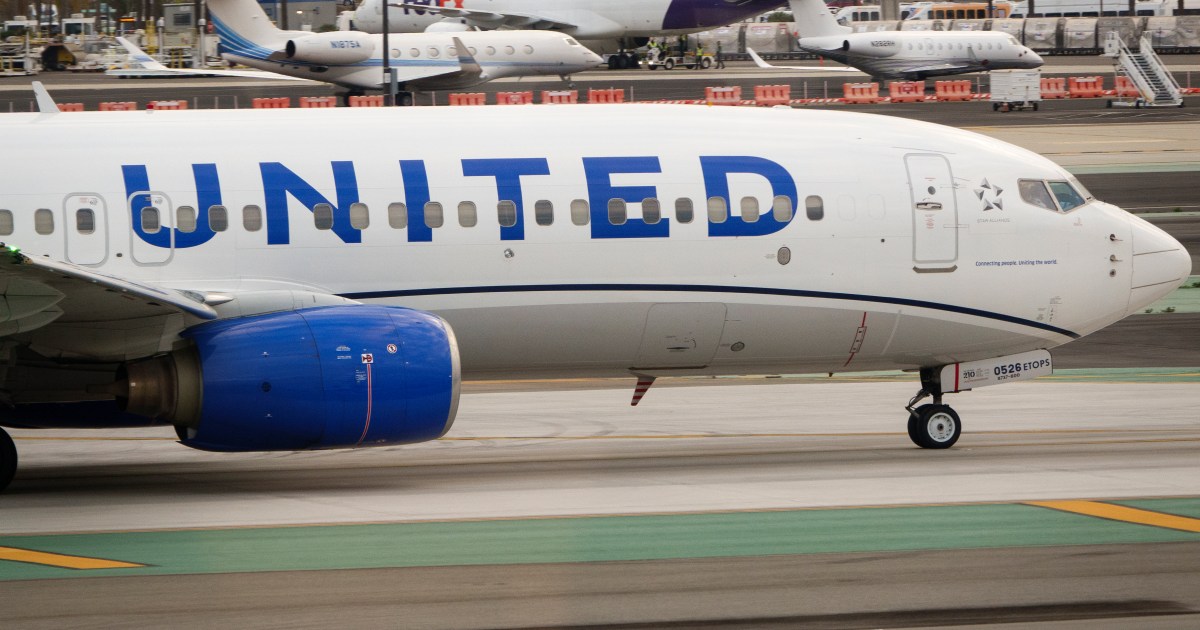
On a recent Friday night, United Airlines flight 2005 from Chicago to Minneapolis faced an unexpected turn of events when authorities identified an unruly passenger. The flight, originally scheduled to land in Minneapolis, was abruptly diverted to Dane County Regional Airport in Madison, Wisconsin, following a critical in-flight incident. This incident highlights the complex dynamics of airline safety protocols and passenger behavior management in modern aviation.
Why Does an Unruly Passenger Trigger Such a Severe Response?
The term 'unruly passenger' refers to individuals who disrupt cabin order through aggression, threats, or violent behavior. In this case, the passenger's actions prompted immediate action from flight crew and ground personnel, leading to a rapid decision to divert the flight. Airlines have stringent protocols for handling such situations, often requiring the removal of the individual from the aircraft before landing at a nearby airport with sufficient facilities to manage the situation.
Under U.S. federal aviation regulations, airlines are mandated to ensure passenger safety at all times. When an unruly passenger is identified, the flight crew must follow a clear chain of command, involving the pilot, flight attendants, and ground staff. The decision to divert is made based on the severity of the incident, the location of the nearest airport with the required facilities, and the safety of all passengers and crew.
What Exactly Constitutes an 'Unruly Passenger'?
- Aggressive behavior such as verbal or physical threats toward crew or other passengers
- Violent acts including pushing, grabbing, or attempting to harm others
- Disruptive conduct that compromises the safety and comfort of the entire cabin
These actions are not just minor annoyances but can escalate quickly into serious safety threats. The U.S. Department of Transportation (DOT) has emphasized that airlines must respond to such incidents with urgency and precision to protect all on board.
Flight 2005's diversion to Madison illustrates a broader trend in modern aviation: the increasing reliance on real-time data and coordination between airlines, airport authorities, and law enforcement. The decision to divert was made to ensure that the unruly passenger could be safely detained and processed without risking further escalation.
As aviation safety standards continue to evolve, airlines are adopting more advanced technologies to monitor passenger behavior and prevent incidents before they escalate. For example, some airlines now use AI-driven systems to detect potential threats through biometric data and behavioral patterns.
However, the incident also underscores the challenges of balancing passenger rights with safety concerns. While airlines must protect the safety of all on board, they must also respect the legal rights of passengers, including the right to be treated fairly and without undue interference.
Looking ahead, the aviation industry is focusing on better training for flight crews, improved communication channels, and more robust protocols for handling unruly passengers. These steps are critical to preventing future incidents and ensuring that flights remain safe and efficient.