The Unseen Crisis: Heat and the Hidden Threats of Roland Garros

Editor 30 May, 2026 ... min lectura

As the 2024 French Open approaches its climactic stages, a pressing issue emerges beyond the usual narrative of elite tennis competition: the impact of extreme heat on tournament players and infrastructure. This is not just a minor challenge but a systemic threat to the very essence of tennis at Roland Garros.

Why Heat Is More Than Just a Comfort Issue

The French Open's unique setting—hosted in Paris's shadow of the Mediterranean sun—creates a volatile environment for athletes. While the tournament has historically been a stage for dramatic, high-stakes battles, the recent heatwaves have exposed a critical vulnerability in the sport's infrastructure and player preparation.

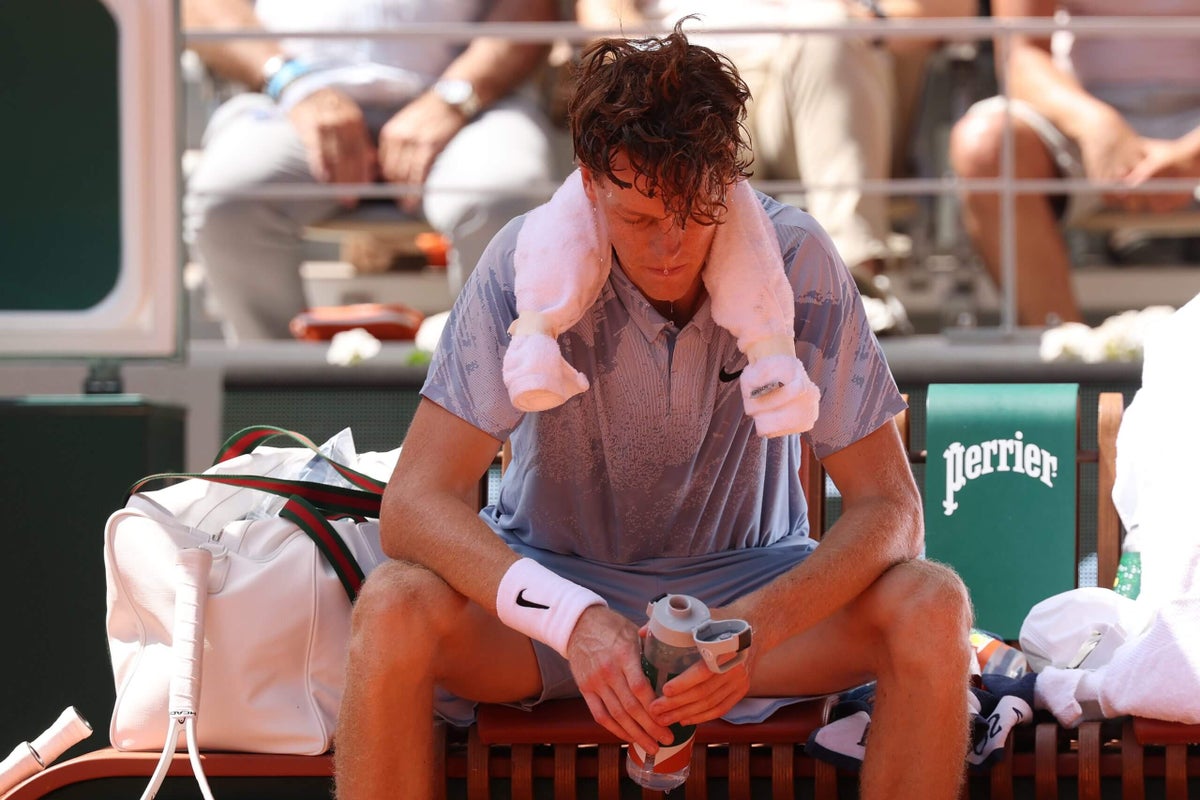
Recent events, such as Jannik Sinner's sudden collapse during the tournament, highlight a growing crisis. Sinner, the world's No. 1 player, was eliminated in a five-set upset after his body failed to handle the heat. This incident is not an isolated case but a symptom of a deeper problem.

Historically, the French Open has been a test of endurance, with players often adapting to the unique conditions of clay courts and varying weather. However, the 2024 edition has seen unprecedented heat levels, with temperatures exceeding 35°C (95°F) in the Parisian climate. This has forced organizers to implement emergency measures, including the use of cooling stations and revised scheduling.

What Is the Real Challenge?

While the immediate concern is the physical strain on players, the broader implications extend to the entire ecosystem of the tournament. The real crisis lies not in the heat itself but in the lack of preparedness and the absence of a comprehensive strategy to handle such conditions.

  • Infrastructure limitations at Roland Garros, including insufficient cooling systems and limited shade areas.
  • Player health protocols that have not kept pace with the evolving climate crisis.
  • Organizational delays in adapting to sudden weather shifts, leading to extended match times and player fatigue.

These factors collectively indicate that the tournament is not only suffering from a short-term heat emergency but is also grappling with a larger, systemic issue that threatens its sustainability and integrity.

The French Open, once a symbol of resilience and tradition, now faces a pivotal moment where the sport must confront the realities of a warming planet. Without significant changes, the future of tennis at Roland Garros is uncertain.