Measles Resurges in Utah Schools: Unvaccinated Students at Risk

Editor 30 May, 2026 ... min lectura

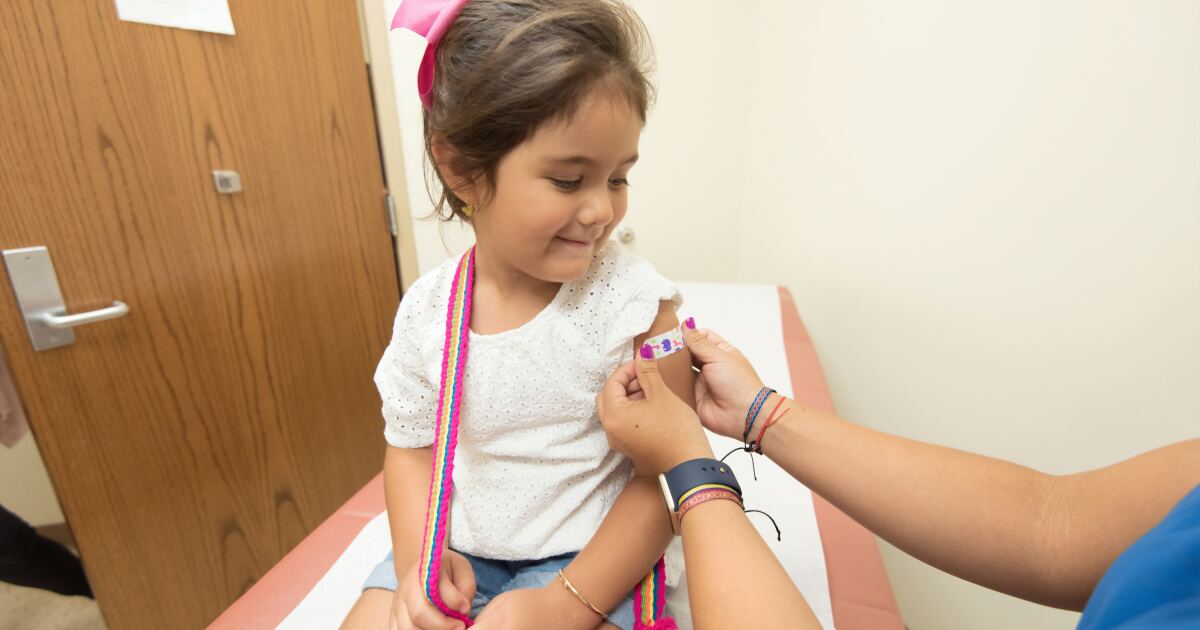
In recent weeks, Utah has witnessed a concerning resurgence of measles, particularly impacting schools and vulnerable populations. The state has seen clusters of measles cases among unvaccinated children and adolescents, with health officials confirming two cases at Heber City schools, forcing unvaccinated students to quarantine. This trend highlights the ongoing challenge of vaccine hesitancy and its real-world consequences.

Measles is a highly contagious viral disease that spreads through the air when an infected person coughs or sneezes. It can cause severe complications, especially in young children, pregnant women, and immunocompromised individuals. In Utah, where vaccination rates have historically been high, a recent spike in cases has raised alarms about declining immunity levels. The University of Utah Health has issued warnings about the risks of measles, particularly for those who cannot be vaccinated due to medical conditions or personal choice.

Health officials in Utah report that measles cases are slowing in some areas, but experts caution that the virus is not entirely under control. According to a May 2026 report by KUER, health experts emphasize that even as new cases decrease, the potential for outbreaks remains high. Dr. Elaine Clark, a public health specialist with KUER, noted that measles can quickly spread in environments with low vaccination coverage, such as schools, where unvaccinated students are at heightened risk.

One of the most critical implications of this situation is the impact on vulnerable groups. Unvaccinated children, including infants and those with medical contraindications, are at significant risk of severe illness. In Heber City, the two confirmed measles cases have led to quarantine measures for unvaccinated students, highlighting the immediate health risks posed by vaccine hesitancy.

Public health authorities stress the importance of timely vaccination and the role of community immunity. The CDC has long emphasized that measles requires high vaccination rates—over 95%—to prevent outbreaks. In Utah, where the population has been relatively vaccinated, a drop in vaccination rates could lead to more outbreaks, especially in areas with lower coverage.

How can we address this growing concern? Experts suggest a multi-pronged approach: strengthening public health outreach, improving access to vaccines, and increasing transparency about the risks of measles. Schools and communities must work together to ensure that all children receive the necessary vaccinations, even those with medical exemptions.

  • Early detection and rapid response to outbreaks are critical to preventing further spread.
  • Education about the risks of measles and the benefits of vaccination can help reduce hesitancy.
  • Collaboration between schools and health authorities to identify and protect vulnerable populations is essential.

As the situation evolves, it’s vital for families, schools, and health organizations to act swiftly. In Utah, the lessons from recent measles cases underscore the importance of maintaining high vaccination rates to protect public health. With the right strategies, communities can mitigate the risks of measles and safeguard the health of all children.