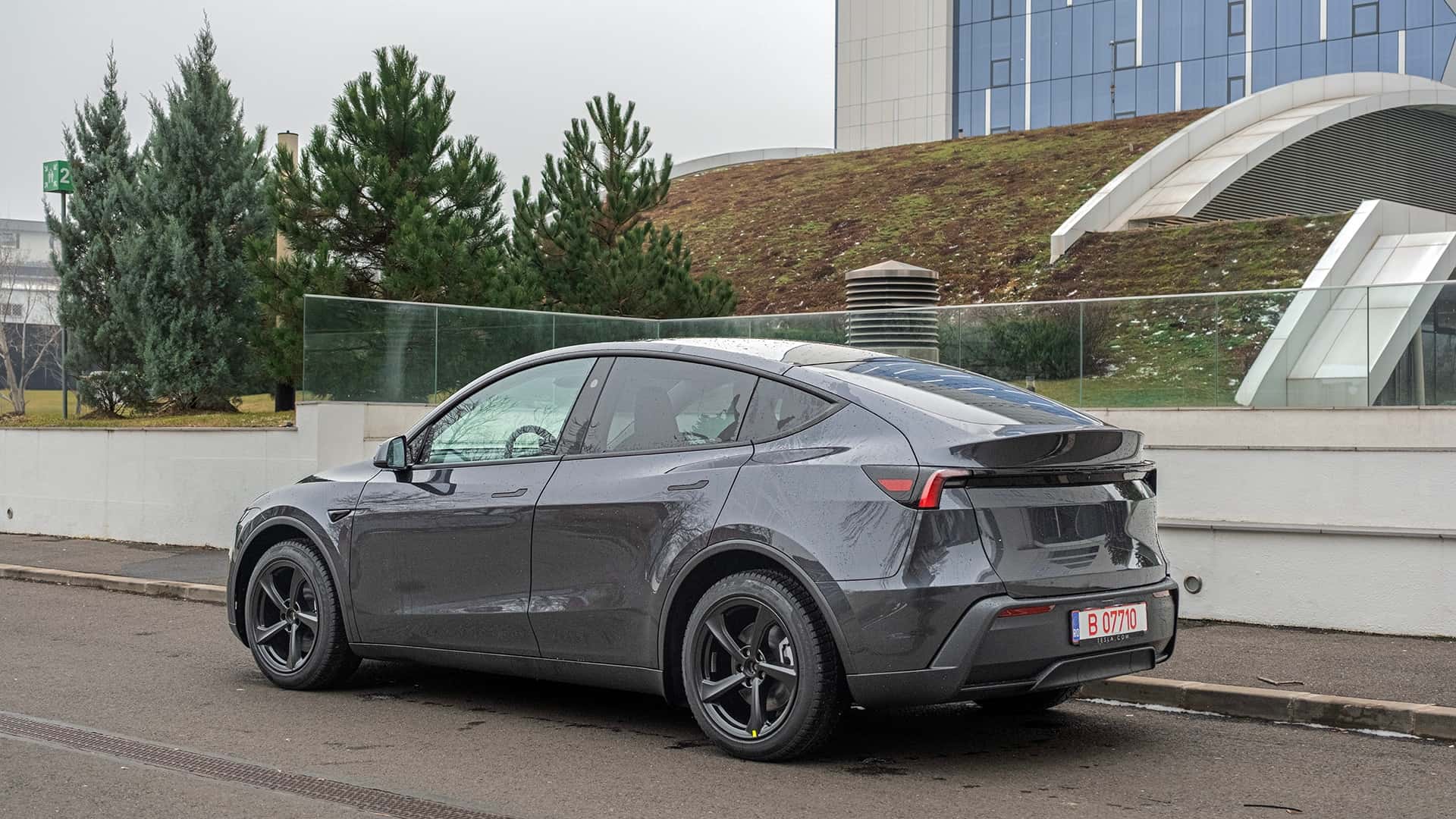
Electric Cars Dominate Global Markets: The Unstoppable Shift

Editor 30 May, 2026 ... min lectura

The electric vehicle (EV) revolution is no longer a distant possibility but a reality that’s reshaping the automotive landscape worldwide. With global electric car sales surpassing 20 million units in 2025 according to the International Energy Agency (IEA), the transition from internal combustion engines to zero-emission transport has accelerated dramatically. This milestone marks a pivotal moment in the history of mobility, signaling that the electric car takeover is now unstoppable.

Recent data reveals that plug-in vehicles—comprising electric and hybrid models—accounted for 25% of total new car sales in the United States last year, a significant jump from previous years. This growth is driven by declining battery costs, improved charging infrastructure, and increasing consumer confidence in the technology. However, the U.S. lags behind global competitors in adoption rates, highlighting a critical gap in policy and investment that needs urgent attention.

Historically, the shift to electric vehicles has been slow due to concerns about range anxiety, high upfront costs, and limited charging networks. But these barriers are rapidly dissolving. Innovations like solid-state batteries promise to double driving ranges and cut charging times significantly. Meanwhile, governments worldwide are accelerating their clean energy transitions, with the European Union committing to 100% carbon-neutral transport by 2050 and China leading with aggressive subsidies for EV production.

One key question driving this transformation is: How will EVs impact urban air quality and infrastructure? As cities worldwide grapple with pollution, EVs offer a solution by reducing tailpipe emissions—a critical benefit in densely populated areas like Beijing and Delhi. Yet, the rapid adoption also raises challenges, such as grid stability and the need for sustainable mineral sourcing to avoid ethical and environmental conflicts.

Industry leaders are addressing these issues head-on. Tesla’s Gigafactories are expanding globally, while companies like Lucid and Rivian are pioneering next-generation platforms with longer ranges and faster charging. The integration of AI in EV software is also enabling predictive maintenance and personalized user experiences, further enhancing the appeal of electric vehicles.

  • 2025 milestone: Global EV sales exceeded 20 million units, as reported by the IEA.
  • U.S. lag: Plug-in vehicles represent only 25% of new car sales, significantly below global averages.
  • Infrastructure gaps: Charging networks in rural and underserved regions remain underdeveloped.

The future of electric vehicles is increasingly clear: they will become the standard for new car purchases across most markets within the next decade. However, success hinges on overcoming regional disparities, scaling up manufacturing, and ensuring equitable access to technology. The next phase of EV growth will focus on affordability, sustainability, and seamless integration into daily life.