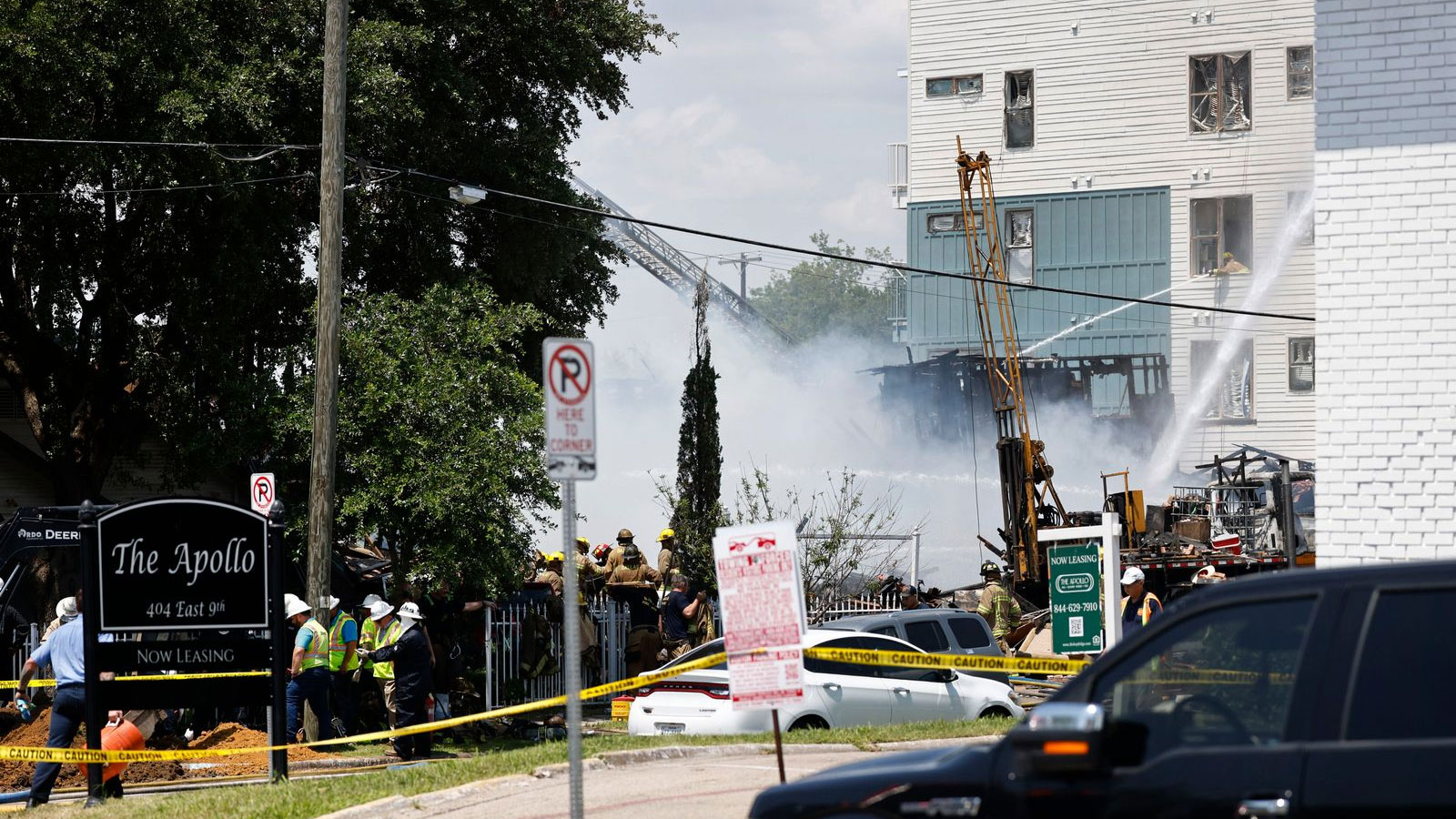
As emergency alerts and community safety concerns rise, understanding the risks and safety measures for residential housing becomes critical. Recent tragedies, like the deadly Dallas apartment explosion, highlight the urgent need for proactive awareness and community action. This incident, which left three dead and five injured, underscores the vulnerability of urban housing systems and the importance of real-time information access.
The incident in Dallas’s Oak Cliff neighborhood serves as a stark reminder of how quickly residential environments can become high-risk zones. Residents often rely on 'apartments near me' apps and services to locate safe, suitable housing. However, in emergencies, these tools can become unreliable or even dangerous if not used correctly.
Why 'Apartment Near Me' Apps Are Critical in Crisis
During emergencies, 'apartment near me' tools provide vital information about nearby housing options. They help people quickly identify safe, accessible locations, especially when evacuation routes or shelter facilities are disrupted. In the case of the Dallas explosion, residents used these apps to find shelter and emergency contacts.
Yet, these tools are not always reliable. In the aftermath of the explosion, some residents reported that their 'apartment near me' apps failed to deliver timely updates about the incident, leading to delays in evacuation and emergency response.
- Real-time alerts: Apps that integrate emergency notifications can save lives by alerting residents to immediate threats.
- Community mapping: Platforms that show evacuation routes and safe zones can help people navigate crisis situations.
- Emergency contacts: Apps that store emergency contacts and evacuation procedures can be lifesavers during disasters.
The incident in Dallas also reveals a critical gap in emergency preparedness. While most people use 'apartment near me' apps for routine housing searches, they often lack integration with emergency systems. This disconnect can lead to delayed responses and increased risk during crises.
How to Stay Safe When You're in the Middle of a Crisis
Residents can take steps to ensure their safety during emergencies by staying informed and proactive. First, they should register for emergency alerts through their 'apartment near me' app or local authorities.
Second, they should know their local emergency contacts and evacuation routes. Third, they should regularly update their emergency information through apps like the National Weather Service or local fire departments.
Lastly, communities can work with local authorities to create more robust emergency systems. For example, in Dallas, the fire department has started integrating emergency apps with real-time data to improve response times.
By understanding these risks and taking proactive steps, residents can significantly reduce their exposure to potential threats. The key is to stay informed and connected to reliable sources of information.