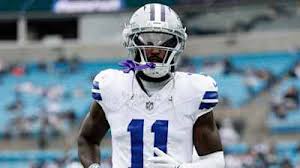
When it comes to NFL careers shaped by resilience and strategic decision-making, few figures embody the sport's evolving landscape more vividly than Parris Campbell. The former Ohio State Buckeyes star, now retired after a five-year journey in the league, has become a symbol of how modern athletes navigate career transitions in an increasingly complex sports ecosystem.
Campbell’s path to retirement was not a sudden collapse but a calculated pivot. After entering the NFL as a highly touted prospect, he quickly became a key contributor for the Dallas Cowboys. His decision to step away from professional football in 2026 marked a pivotal moment in his career trajectory, reflecting a growing emphasis on personal growth and professional fulfillment beyond the gridiron.
Did Parris Campbell’s Retirement Signal a Shift in NFL Career Longevity?
This question isn’t hypothetical—it’s a direct reflection of the changing dynamics in professional sports. Campbell’s move away from the Cowboys in 2026 highlights a critical transition in how athletes approach their post-playing careers. Unlike his peers who often chase immediate success, Campbell prioritized a more holistic approach to life after football, aligning with a broader trend of athletes seeking meaningful transitions.
- Early Career Challenges: Campbell faced significant hurdles in his initial years, including inconsistent production and adapting to the physical demands of the NFL.
- Strategic Evolution: Over time, he shifted from a high-impact role to a more versatile contributor, demonstrating adaptability in a league where versatility is increasingly valued.
- Post-Retirement Vision: His focus on mentorship and community engagement after retirement reflects a growing movement among athletes to leverage their platform for social impact.
While his retirement might seem abrupt, it’s part of a larger narrative of athletes choosing careers that align with their personal values. This shift has implications for how the NFL and other leagues view athlete longevity and career sustainability.
Understanding Campbell’s journey requires context from his time at Ohio State, where he developed a reputation for both academic and athletic excellence. His transition from college to the pros was marked by a willingness to evolve, even when it meant stepping back from high-profile roles to focus on growth.
What makes Campbell’s story particularly relevant today is how it mirrors broader societal shifts. Athletes today are no longer just defined by their on-field performance but by their ability to adapt to changing environments, both on and off the field. His decision to retire has sparked discussions about the future of athlete longevity and the value of intentional career planning.
As the NFL continues to evolve, Campbell’s story offers a blueprint for athletes who want to balance their professional ambitions with personal fulfillment. His retirement is not just an end but a beginning—a transition that could inspire future generations to think critically about their own career paths.