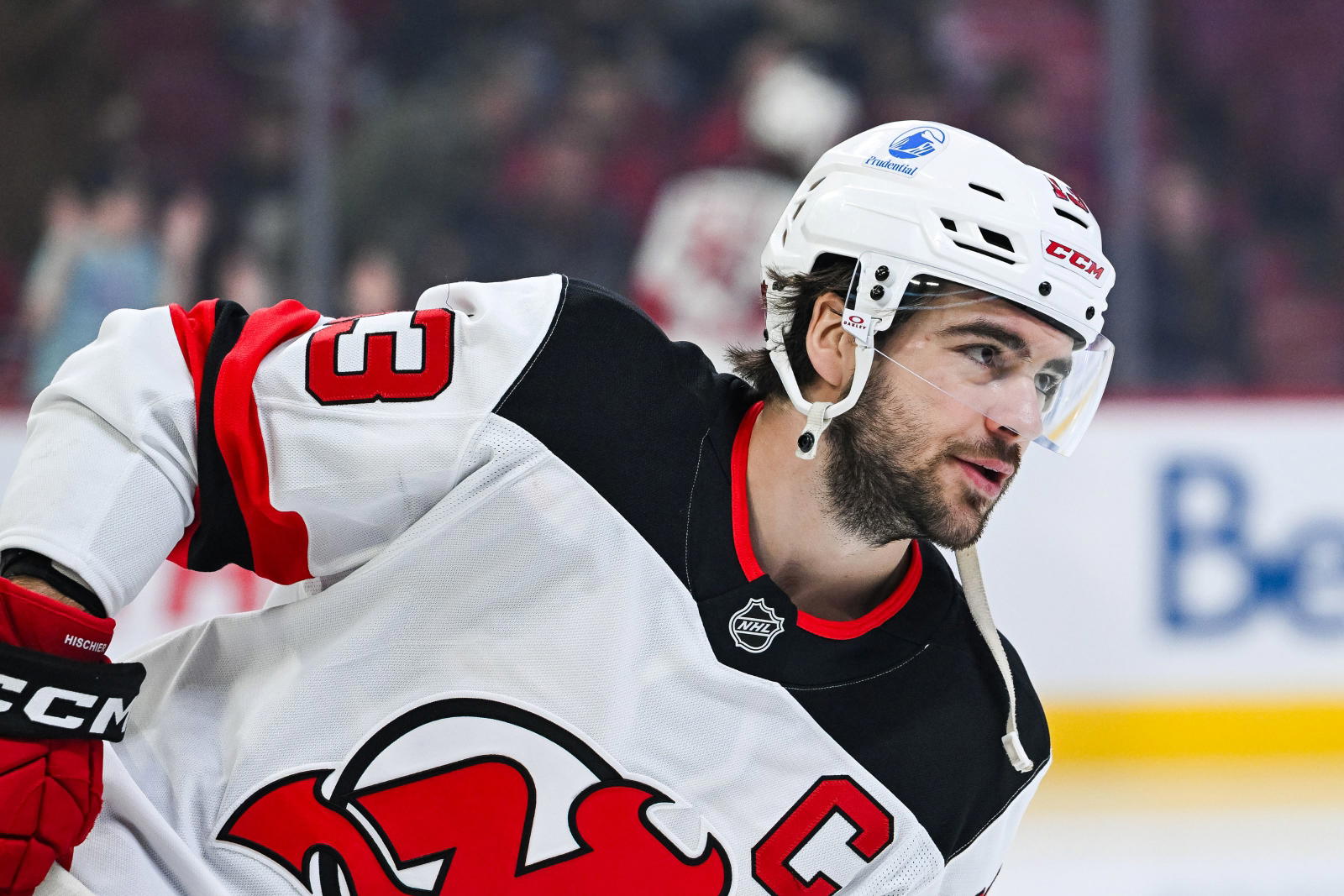
NHL trade dynamics have shifted dramatically as the 2026 postseason looms, with Montreal Canadiens forward Nick Suzuki emerging as a pivotal figure in the league's strategic realignments. Unlike the traditional front-office focus on star power, this season’s narrative revolves around high-impact positional players and their influence on team depth and roster flexibility. Suzuki’s status as a potential trade asset has intensified discussions about the New Jersey Devils' future, particularly in light of their recent acquisition of Nico Hischier, a move that has created a complex web of interdependencies across the league.
Who is the real trade target?
While the Devils' pursuit of Nico Hischier has been a focal point for weeks, the implications of this acquisition extend far beyond the New Jersey roster. Hischier, a two-way forward with elite defensive metrics, is now a critical component in the broader NHL trade landscape, especially as the Wild's (Minnesota) trade needs become more pronounced. The key question here is: Could Hischier's availability this summer trigger a major Wild trade?
Recent reports indicate that the Devils have already initiated talks with Hischier, signaling a potential shift in the balance of power between the Devils and the Wild. This development is particularly significant given that the Wild have been actively seeking trade targets, with their roster currently showing a notable gap in depth at the forward position. The Wild’s need for a high-impact player like Hischier could result in a major transaction this summer, potentially reshaping the entire league’s competitive structure.
Why Hischier matters more than Suzuki?
Suzuki, often considered a trade target himself, has been a subject of interest for multiple teams, but his influence is less direct than Hischier's. Hischier, with his strong defensive capabilities and offensive versatility, has become a focal point for teams with limited forward depth, such as the Wild. This makes him a more strategic asset in the trade market than Suzuki, who is primarily seen as a potential trade target rather than a trade asset.
- The Wild's need for a high-impact forward like Hischier could create a ripple effect across the league.
- Hischier's defensive metrics have been consistently high, making him a valuable asset for teams with limited depth.
- Recent trade activity has shown that teams with strong defensive players often secure better deals in the trade market.
The implications of this shift are substantial. As the Wild's trade needs become more apparent, the potential for a major trade involving Hischier could have a direct impact on the entire league's competitive structure. This is particularly true if the Devils' strategy shifts to prioritize depth over star power.
Understanding the nuances of these dynamics is critical for teams looking to navigate the trade market effectively. The key to success in this evolving landscape is recognizing the strategic value of players like Hischier and Suzuki in the broader context of team depth and roster flexibility.