Putin's War Comes Home to Moscow: The Unseen Consequences

Editor 11 May, 2026 ... min lectura

Four years ago, President Vladimir Putin offered Moscow and its business elite a de facto deal: Support my war in Ukraine, and in exchange you won’t have to think about it. In the past we... This strategic move, framed as a pragmatic exchange of military support for economic stability, has now begun to unravel. As the war drags on, the cost is no longer confined to the battlefield—it has seeped into the heart of Russian society, returning to Moscow with a quiet but profound impact.

The immediate fallout from this decision has been a quiet shift in how Russian society perceives the war. While the state has maintained its narrative of a 'special military operation,' the reality has exposed cracks in the illusion of control. Moscow’s elite, once confident in the government’s ability to manage the conflict, now face a more complex reality where the war’s economic toll is becoming increasingly visible. This is a critical moment for understanding how the war has reshaped domestic priorities and public sentiment.

Can Russia's War Strategy Survive?

As the conflict stretches beyond its initial scope, the question of whether Russia's military strategy can endure is increasingly urgent. The war has strained resources, disrupted supply chains, and forced a reevaluation of priorities. With each passing month, the economic burden of maintaining a large-scale military effort has grown more pronounced, putting pressure on the government’s ability to deliver on its promises.

The government’s narrative of a 'special military operation' has been challenged by the reality of a war that is no longer confined to the battlefield. The war has exposed vulnerabilities in the Russian economy and military, particularly in areas like logistics, intelligence, and resource allocation.

  • Resource shortages in critical sectors, such as energy and food, have become more pronounced
  • Public trust in the government’s ability to manage the conflict has eroded
  • Internal dissent among the business community has grown

These challenges are not new, but the scale and speed at which they have emerged make them particularly concerning. The economic toll of the war has begun to affect the daily lives of ordinary Russians, from the cost of living crisis to the decline in industrial output.

For the first time, the war has become a domestic issue, not just a foreign policy challenge. The war has forced a reevaluation of priorities within the Russian government, as it grapples with the growing disconnect between its narrative and the reality on the ground.

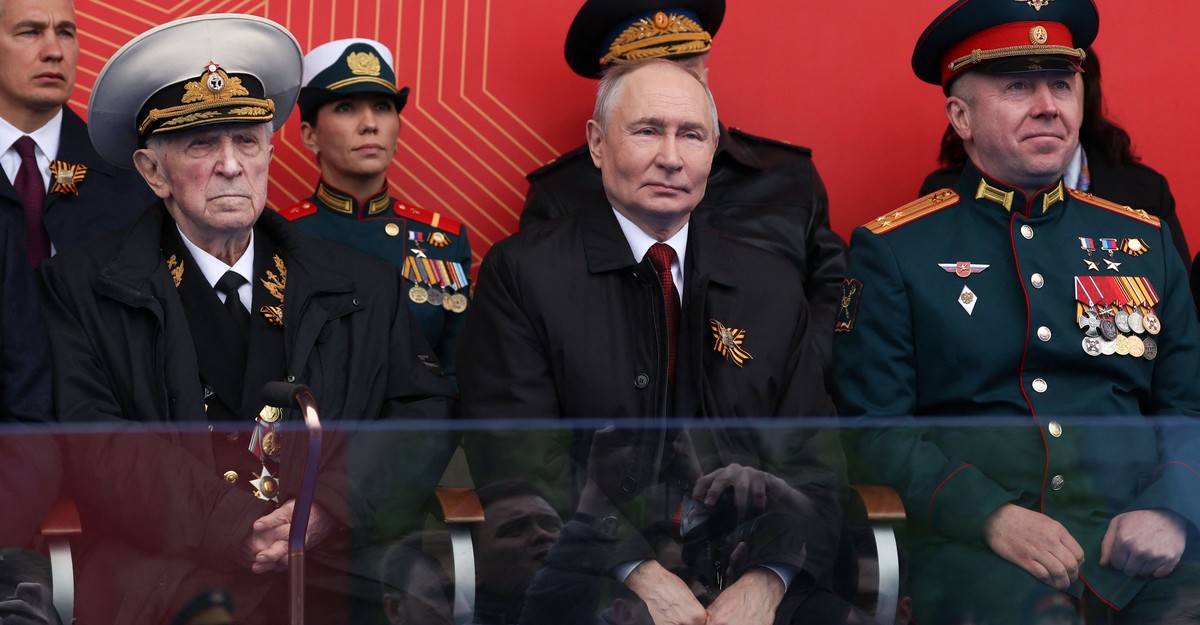
Recent developments, such as the Less Muscular Victory Day Parade, have highlighted the changing dynamics of the conflict. The reduced scale of military parades, which were once a symbol of national pride, now reflect a more cautious and less confident approach to the war effort. This shift in tone is a clear indicator of the growing internal pressures on the Russian government.

As the war continues to unfold, the implications for Russia’s domestic stability are significant. The government’s ability to maintain control over the narrative and manage the economic fallout will be crucial in determining the future trajectory of the conflict.