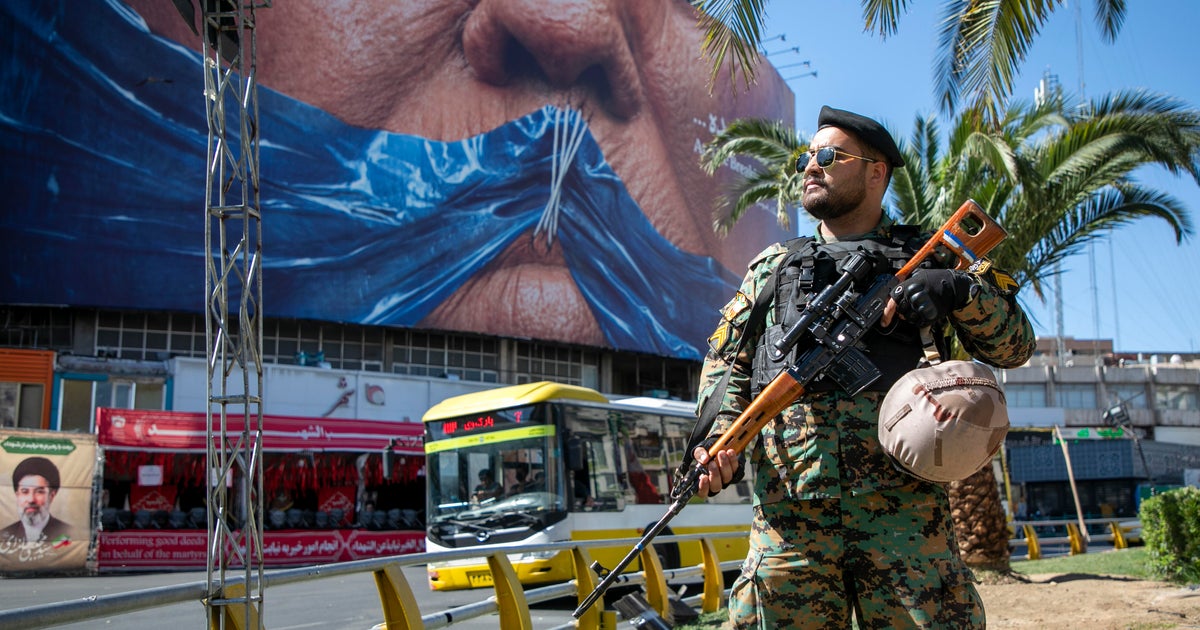
Iran has issued a direct response to the United States' latest proposal for ending the conflict in the Middle East. According to Iranian state media, the nation has communicated its formal reply to U.S. ceasefire efforts through Pakistani intermediaries. This move comes as a month-long ceasefire between Iran and its regional adversaries remains intact, offering a temporary reprieve from escalating hostilities.
Iran's stated position emphasizes the need for negotiations to focus on achieving a permanent resolution to the conflict, rather than a temporary pause in violence. The country has rejected the U.S. proposal's focus on incremental steps, insisting instead on a comprehensive framework that addresses core issues such as territorial integrity and security guarantees. This stance reflects Iran's long-standing position that peace must be built on mutual respect and recognition of sovereignty, not conditional on specific military concessions.
How Does Iran's Response Fit Into Broader Regional Dynamics?
The timing of Iran's response is critical. With the current month-long ceasefire still holding, the U.S. has been working to secure a more stable environment for negotiations. However, Iran's insistence on a permanent solution suggests a strategic shift in its approach to conflict resolution. This aligns with Iran's historical pattern of prioritizing long-term security over short-term diplomatic gains.
- Iran has consistently framed its stance around sovereignty and non-alignment in regional politics
- Iran's rejection of incremental steps reflects its view that peace must be built on mutual respect and recognition of sovereignty
- Iran emphasizes that any agreement must address the core issues of territorial integrity and security guarantees
The U.S. has not publicly commented on Iran's formal response, leaving the path forward uncertain. However, with the ceasefire still in place, there is a window of opportunity for further dialogue. The key challenge lies in balancing immediate de-escalation with the establishment of lasting peace.
Analysts suggest that Iran's response could influence the trajectory of the conflict. By focusing on a permanent resolution, Iran is pushing for a more comprehensive agreement that addresses the root causes of the conflict, rather than a temporary ceasefire. This approach has been consistent with Iran's previous diplomatic engagements with regional powers, where it has emphasized the importance of mutual understanding and respect.
Experts warn that without clear progress on the core issues, the current ceasefire could collapse under pressure. The U.S. must now determine how to respond to Iran's formal proposal while maintaining the momentum of the existing ceasefire.