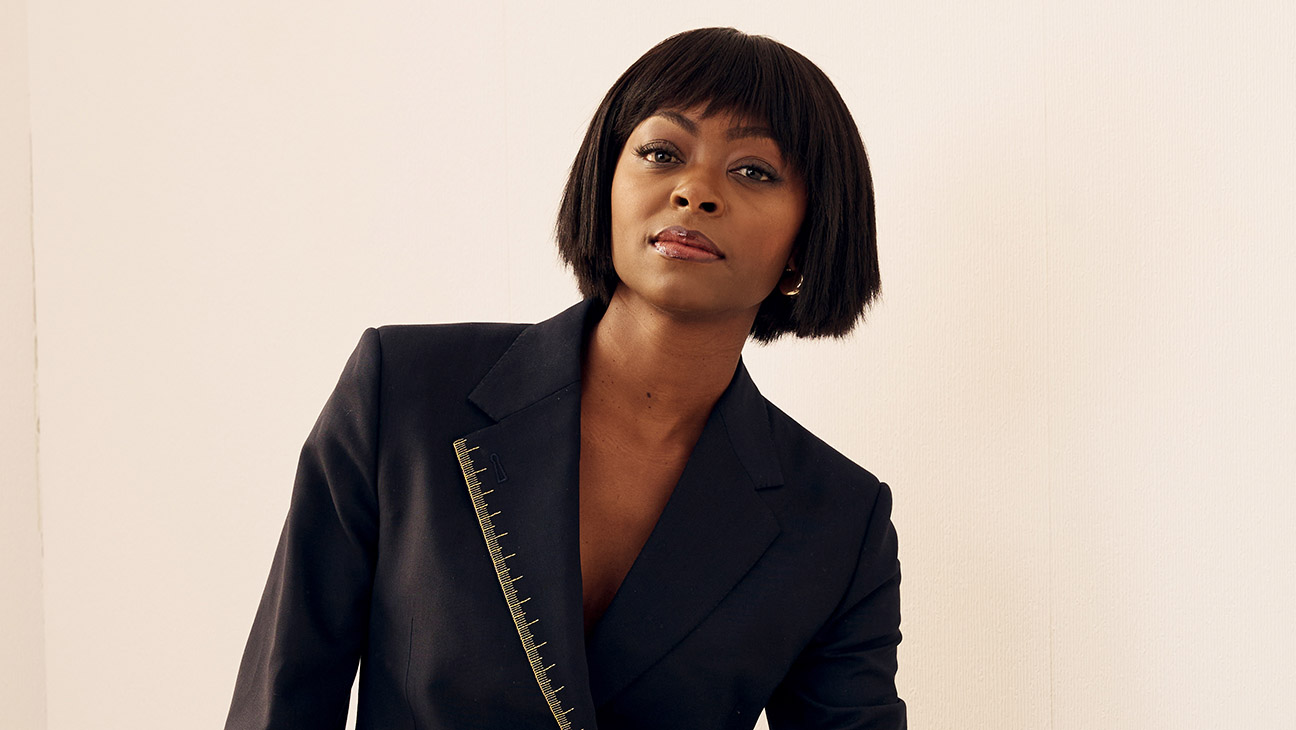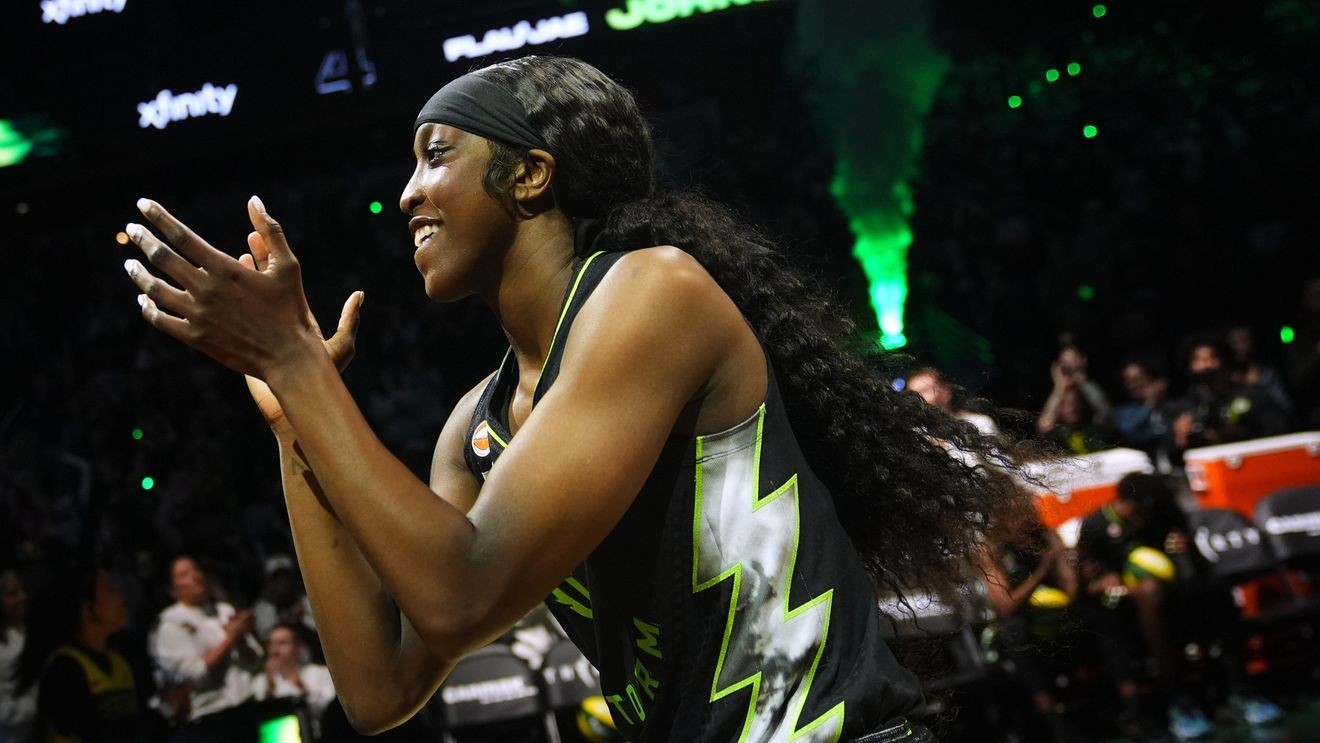
Gabby Williams, the versatile forward for the Seattle Valkyries, has emerged as a pivotal figure in the team's strategic evolution. Her impact extends far beyond scoring and rebounding, influencing team dynamics, tactical adjustments, and the broader narrative of women's basketball in the Pacific Northwest. As the Valkyries prepare for their second season, Williams' role has become increasingly critical to the team's success and resilience.
At the heart of the Valkyries' resurgence is Williams' ability to adapt to shifting team needs. In the May 8, 2026, game against the Storm, despite a 91-80 loss, she demonstrated remarkable composure and tactical awareness. Her performance highlighted a key strength: the ability to pivot from individual play to collective strategy. While the team's loss was tough, Williams' contributions to the team's overall strategy—particularly through her defensive positioning and offensive versatility—proved invaluable even in high-stakes moments.
Williams' influence is not limited to a single game. Her role as a leader has evolved through the team's transition into their second season, with reserve players stepping up in critical moments. The Valkyries' recent victory in Seattle exemplifies this shift, where Williams' ability to integrate with the bench squad has been pivotal. This adaptability has set the stage for a more cohesive and resilient team structure, ensuring that even in challenging circumstances, the Valkyries can maintain a competitive edge.
Can Williams' leadership bridge the gap between elite and emerging talent?
The question of leadership is central to understanding Williams' impact. Unlike traditional stars who dominate on the court, Williams thrives in supporting roles, fostering a culture of collaboration. Her approach to leadership is rooted in the principles of adaptive strategy and team cohesion, which have become increasingly important in the evolving landscape of women's basketball. This is not just a tactical adjustment but a fundamental shift in how the sport is organized and perceived.
- Adaptive strategy: Williams uses her experience to guide younger players through complex game scenarios, ensuring that the team remains flexible in dynamic conditions.
- Defensive cohesion: Her positioning has improved the team's ability to counter high-press defense, a key factor in the Valkyries' recent success.
- Reserve integration: By fostering strong relationships with reserve players, she ensures that the team can adapt to unexpected injuries or scheduling changes.
Historically, the transition from a single-star system to a team-focused approach has been a challenge for many teams. However, Williams' approach has been a model for this shift. Her work has not only improved individual performance but has also redefined how teams prepare for high-pressure games and the challenges of maintaining consistency across multiple seasons.
The future of women's basketball in the Pacific Northwest hinges on players like Williams who can balance individual excellence with collective growth. As the Valkyries continue to build on their second season's success, Williams' role as a strategic architect will be crucial in shaping the team's trajectory and the broader evolution of women's basketball in the region.