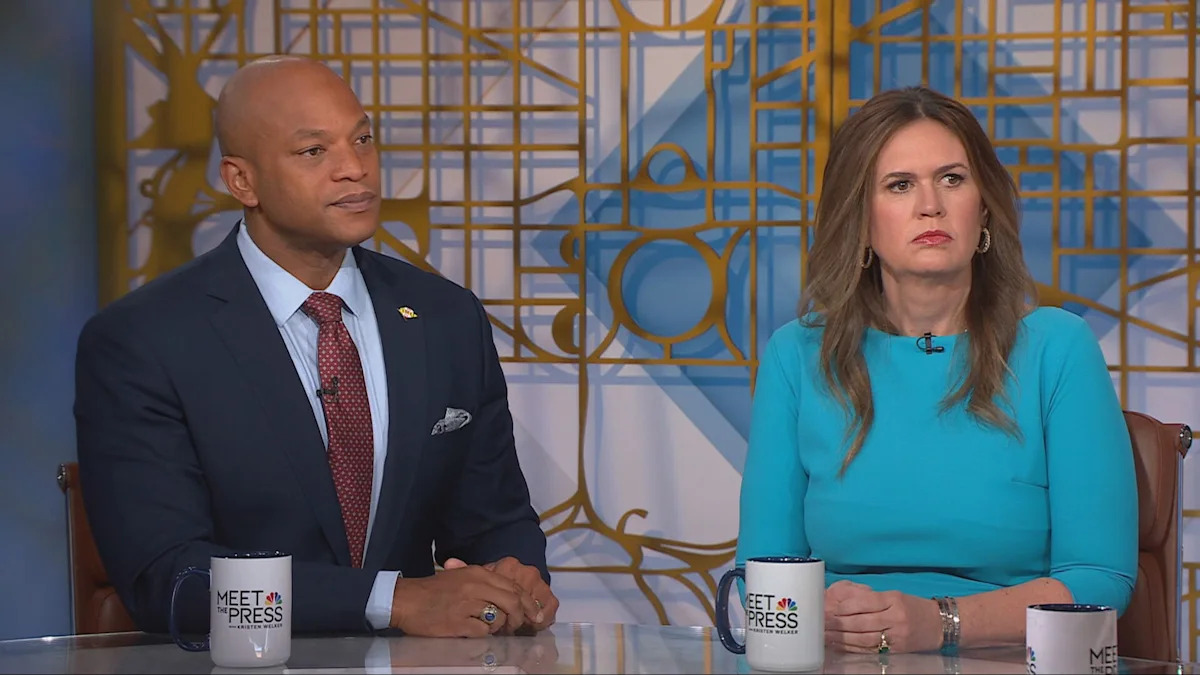
Wes Moore and Sarah Huckabee Sanders Forge Bipartisan Alliance on Maternal Health Crisis

As the United States grapples with a persistent maternal mortality crisis, two prominent state governors have emerged as key figures in a rare bipartisan effort to address this critical issue. Governor Wes Moore of Maryland and Governor Sarah Huckabee Sanders of Arkansas have recently joined forces to advance significant maternal health investments, marking a pivotal moment in the national conversation on this life-or-death matter.

Maternal mortality rates in the U.S. have been a cause for alarm for decades, with Black women experiencing rates up to three times higher than white women. This disparity has been highlighted by organizations like the CDC and the American Medical Association, underscoring the urgency of targeted interventions. The governors' collaboration, which was recently spotlighted in a Meet the Press panel discussion, focuses on practical solutions that could significantly impact the lives of millions of mothers across the country.

Why is this collaboration groundbreaking?

Historically, bipartisan action on maternal health has been scarce, especially in a political climate that often pits Democrats and Republicans against one another. The fact that Governor Moore (a Democrat) and Governor Sanders (a Republican) have come together to tackle this issue is a notable shift. This initiative is not only a response to the high stakes of maternal mortality but also a demonstration of the shared understanding that this crisis transcends political divides.

  • Expanded access to prenatal care through state-level funding initiatives
  • Emergency maternal health infrastructure in underserved communities
  • Community health worker programs to bridge gaps in rural and urban areas

One of the most significant aspects of this collaboration is the inclusion of philanthropist Olivia Walton, whose expertise in healthcare policy has been instrumental in shaping the program's strategy. The governors have emphasized the need for a coordinated approach that addresses systemic issues, rather than isolated interventions.

When asked about the challenges ahead, Governor Moore noted, “The data is clear: we need to act now. Every mother deserves the same quality of care, regardless of race or geography.” This sentiment aligns with the broader push to make maternal health services more accessible and equitable.

While the initiative is still in its early stages, it has already garnered attention from public health experts and advocates who see potential in this model of collaboration. The governors' commitment to transparency and data-driven decision-making has been a key factor in building trust among stakeholders.

As the initiative progresses, it will be crucial to monitor the impact of these policies on real-world outcomes. Success will be measured by reductions in maternal mortality rates, improved access to care, and greater awareness of the issue at the state and federal levels.

Share Article