Kash Patel's Personalized Bourbon Stash: The Unseen Security Tightrope

Editor 10 May, 2026 ... min lectura

When the FBI director's personal stash of bourbon becomes a topic of public inquiry, it's not just about alcohol—it's a window into the complex interplay between personal habits and institutional security protocols. This phenomenon, known as the 'Kash Patel's Personalized Bourbon Stash,' has emerged as a critical case study in understanding the tensions between individual autonomy and organizational accountability within federal law enforcement agencies.

How Did the Bourbon Stash Become a Security Issue?

Historically, the FBI's reliance on biometric and behavioral markers for identification has evolved significantly since the 1930s, when J. Edgar Hoover introduced fingerprinting as a standard practice. Today, the 'Kash Patel's Personalized Bourbon Stash' story reveals a more nuanced layer of security: the unexpected intersection of personal consumption habits and high-level personnel vetting.

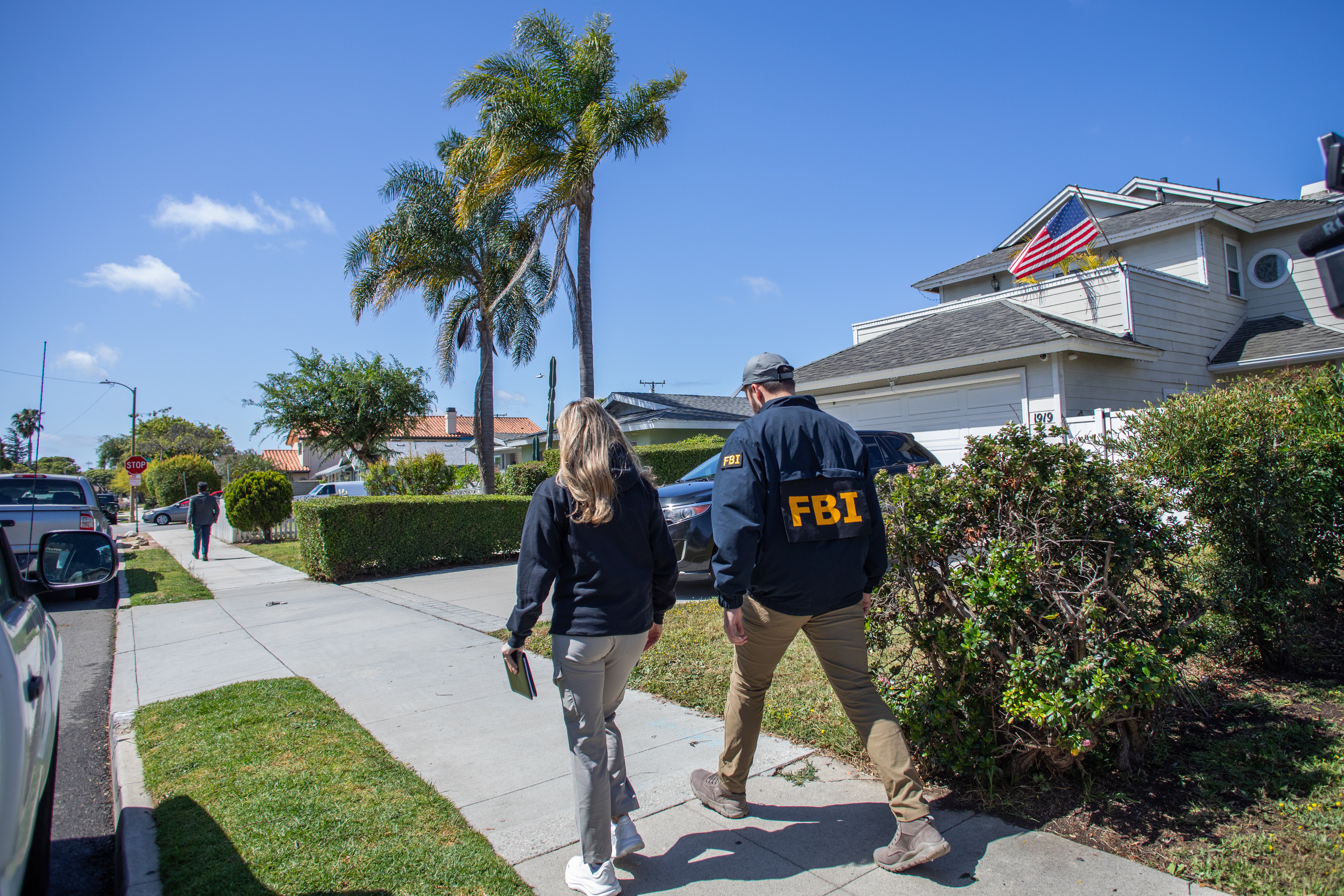
According to leaked reports, Kash Patel, the current FBI director, has been actively engaging in a series of unusual security measures. Sources indicate that he ordered polygraphs for over 20 members of his security detail and key staff, a move that has sparked significant concern among his team. These actions, described by insiders as 'panic mode,' suggest a heightened level of paranoia and a strategic attempt to identify potential leaks or internal threats.

The emergence of this case highlights a critical shift in how federal agencies approach the integration of personal conduct with institutional security. Unlike the straightforward adoption of fingerprinting in the 1930s, modern security protocols now incorporate a broader range of behavioral indicators, including personal habits that might be perceived as vulnerabilities.

What Happens Next for the FBI?

  • Enhanced vetting protocols are being developed to include personal consumption patterns as potential indicators of loyalty or disloyalty
  • Internal communication channels are being restructured to prevent information leakage through personal habits
  • Long-term retraining of security staff on recognizing subtle behavioral anomalies

The FBI's response to this situation has also been marked by a growing awareness of the limitations of traditional security measures. As one insider noted, 'The bourbon stash isn't just a personal quirk—it's a symbol of the broader challenges in maintaining trust within a complex organization.'

Analysts suggest that the shift from physical identifiers like fingerprints to more sophisticated behavioral metrics could lead to a more comprehensive understanding of individual risk factors. However, this transition also raises ethical questions about the extent to which personal habits can be legitimately monitored without infringing on fundamental rights.

As the investigation continues, it's clear that the 'Kash Patel's Personalized Bourbon Stash' case serves as a pivotal moment in the evolution of federal security practices. It underscores the need for a more adaptive and holistic approach to threat assessment that considers both historical precedents and contemporary challenges.