Florida's congressional delegation has taken a bold step in addressing historical government research programs with a new House hearing focused on the controversial MKUltra program. The hearing, scheduled for next month, will examine the ethical implications and potential legal ramifications of this Cold War-era mind control experiment. As one of the most infamous covert operations in U.S. history, MKUltra has long been shrouded in secrecy and controversy, raising critical questions about government oversight and individual rights.
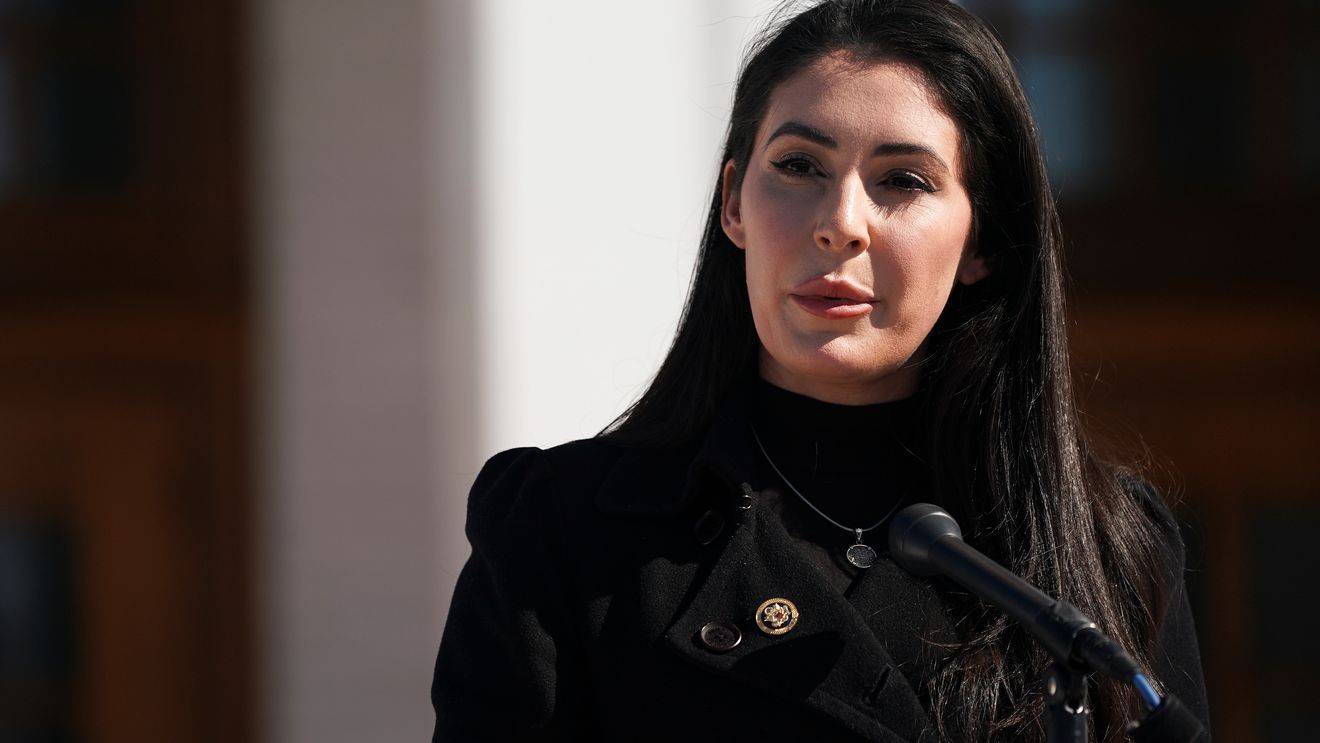
Anna Paulina Luna, the Florida congresswoman spearheading this initiative, has emphasized the urgency of confronting the past. In a press conference held last week, she stated, 'The MKUltra program wasn't just a historical footnote—it’s a living, breathing ethical crisis that affects how we approach modern scientific research today.' Luna's push for transparency comes amid growing public concern over similar modern research ethics gaps.
Why is MKUltra Still Relevant Today?
Decades after the MKUltra program was terminated in the 1970s, its legacy continues to influence contemporary policy debates. The program involved administering large doses of LSD and other drugs to subjects without informed consent, resulting in severe psychological harm and long-term institutional distrust. While the program was officially terminated in 1973, the ethical violations remain a benchmark for evaluating modern research protocols.
The hearing will focus on how today's research frameworks can prevent repeating past mistakes. Luna has called for a national review of all government-funded psychological studies, ensuring that future projects adhere to strict ethical guidelines and participant protections.
What Can We Learn from MKUltra?
- Historical context: MKUltra was part of a broader U.S. government initiative to develop mind control techniques during the Cold War.
- Legal accountability: The program’s legacy has led to multiple lawsuits and civil penalties for the federal government, highlighting the need for transparency.
- Modern parallels: Today’s AI-driven behavioral studies and neurotechnology research face similar ethical challenges, requiring updated oversight mechanisms.
Luna’s initiative aims to connect historical accountability with current policy needs. By examining the MKUltra program’s impact on trust in science, the hearing could set a precedent for how federal agencies handle ethical breaches in high-stakes research.
Supporters of the hearing argue that addressing MKUltra’s legacy is crucial for building a research culture that prioritizes human dignity and informed consent. Critics, however, warn that focusing on historical programs might divert attention from more immediate contemporary issues like climate change or economic inequality.
The hearing will be hosted by the House Committee on Oversight and Reform, with testimony from experts in bioethics and history. Luna has pledged to collaborate with the National Institutes of Health (NIH) to ensure the hearing produces actionable recommendations for policymakers.
As the U.S. continues to advance in areas like artificial intelligence and biotechnology, the lessons from MKUltra remain vital. Without proper safeguards, modern research could repeat the mistakes of the past, leaving vulnerable populations at risk.