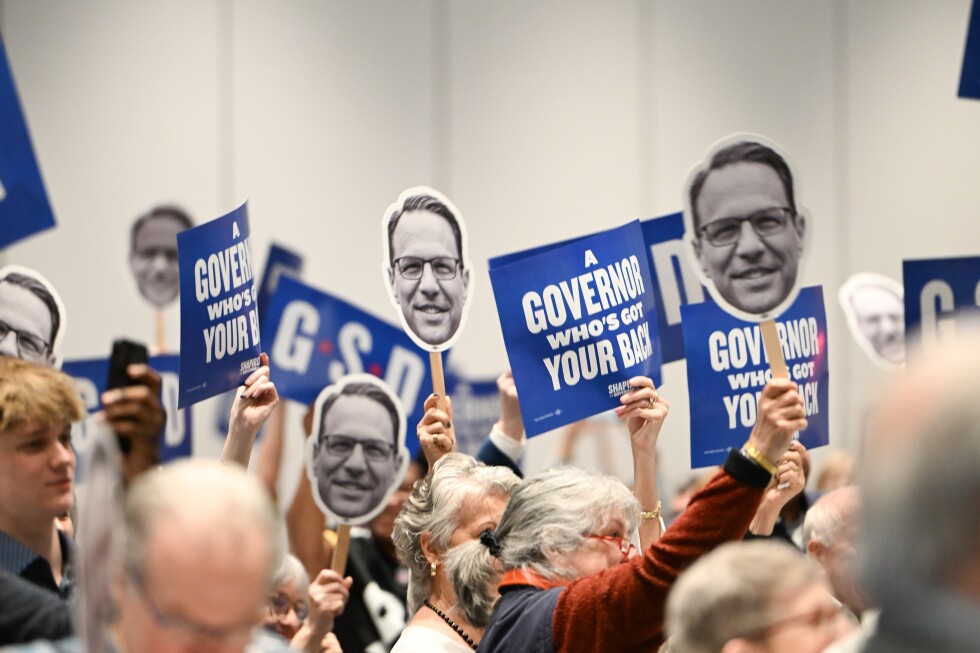
As the 2026 midterm elections approach, Governor Josh Shapiro of Pennsylvania is emerging as a pivotal figure in the state's political arena. With his unique background as a Jewish Democrat, Shapiro has been strategically positioning himself to influence both state and federal politics, particularly in competitive congressional districts. His campaign isn't just about winning votes—it's about reshaping the narrative around Jewish leadership in American politics and demonstrating the viability of a diverse coalition in a swing state.
Shapiro's political journey began in 2020 when he first ran for governor, challenging the incumbent Republican. His campaign emphasized his experience as a Jewish man in a predominantly Christian state, highlighting how his identity informs his approach to policy. This narrative has resonated with voters in key swing districts, particularly in areas with significant Jewish populations and growing diversity. The 2026 midterms, which will determine control of the U.S. House of Representatives, have become a critical test for Shapiro's ability to translate this identity into political capital.
Can Shapiro Flip the House?
Shapiro has been actively testing his influence by focusing on swing-state Pennsylvania seats that have historically been battlegrounds for both Democrats and Republicans. His strategy involves leveraging his gubernatorial position and personal brand to rally support in districts that have shown historical volatility. In regions like Philadelphia and Pittsburgh, where Jewish communities have long been influential, Shapiro has been working to build coalitions with local business leaders, educators, and civil rights advocates.
- Shapiro's focus on economic development has been central to his campaign, emphasizing job creation and infrastructure projects in underserved areas.
- His outreach to Jewish voters has been a key component of his strategy, given Pennsylvania's growing Jewish population and its role in shaping policy discussions around civil rights and social justice.
- Shapiro has also been instrumental in promoting inclusive policies that address the needs of diverse communities, including efforts to combat discrimination and foster interfaith dialogue.
Shapiro's team has been engaging with local leaders to identify potential targets for his gubernatorial influence. By focusing on issues like education reform and healthcare access, he aims to appeal to a broad base of voters who value progress and accountability.
While the 2026 elections have been a critical moment for Shapiro's political capital, the broader implications extend beyond the state. His success in Pennsylvania could set a precedent for how Jewish Democrats can effectively mobilize support across the country, especially in states with significant Jewish populations.