Florida Wildfire Map: Tracking the State's Escalating Fire Crisis

Editor 22 Apr, 2026 ... min lectura

Florida's wildfire season has surged into unprecedented intensity, with the state's fire map now displaying over 100 active fire zones across its sun-baked landscapes. This rapid escalation is not isolated—it reflects a complex interplay of prolonged drought, extreme fire weather, and a climate system increasingly prone to catastrophic ignition. As the latest data shows, 6 fire weather advisories are active across 6 regions, signaling a critical shift in the state’s natural environment.

How Florida’s Wildfires Are Changing the Landscape

The scale of Florida’s wildfire crisis has grown exponentially this year. According to the National Fire Protection Association, the state has recorded its largest wildfires since 2010, with some burning over 10,000 acres in a single week. What’s alarming is that these fires are not just larger but also more aggressive, spreading faster than historical averages due to record-breaking temperatures and extended fire weather threats.

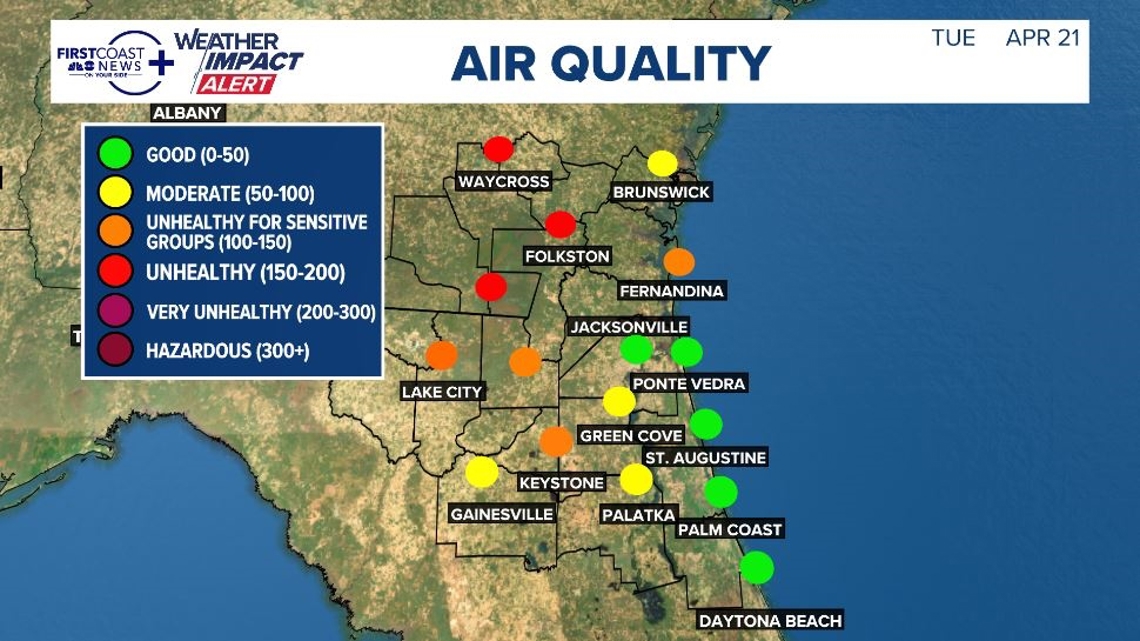
Florida has invested hundreds of millions of dollars in fire response and prevention, including modernizing its fleet with advanced helicopters and introducing drone technology. However, even with these efforts, the state is struggling to keep up with the pace of the crisis. The most recent fire activity in the Tampa Bay region, for example, has pushed air quality to 'unhealthy' levels for sensitive populations, impacting communities from Waycross to Palatka.

Why Now? The Climate Connection

Climate change is a pivotal factor in Florida’s worsening fire conditions. The state’s average temperature has risen by 2.3°F since 1980, creating conditions where even minor sparks can ignite massive blazes. This trend is not new but has accelerated dramatically in recent years, with the state experiencing more frequent and severe fire weather events. The National Weather Service has issued a red flag fire warning for Tampa Bay, highlighting the urgency of the situation.

For residents in the First Coast region, the impact of wildfire smoke is already tangible. Air quality indexes in areas like Jacksonville have reached 'unhealthy' levels, affecting vulnerable populations such as children, the elderly, and those with pre-existing conditions. These conditions are not temporary—they are part of a larger pattern of environmental deterioration that demands immediate attention.

  • Florida’s fire response teams now deploy over 300 drones per day to monitor fire spread
  • Over 100,000 acres of land have been affected by the current fire season
  • 6 fire weather advisories are active across 6 regions

The state’s efforts to address this crisis are multifaceted. From updating its firefighting equipment to implementing early detection systems, Florida is working to mitigate the impact of these fires. However, the challenge lies in adapting to a climate that is becoming increasingly volatile.