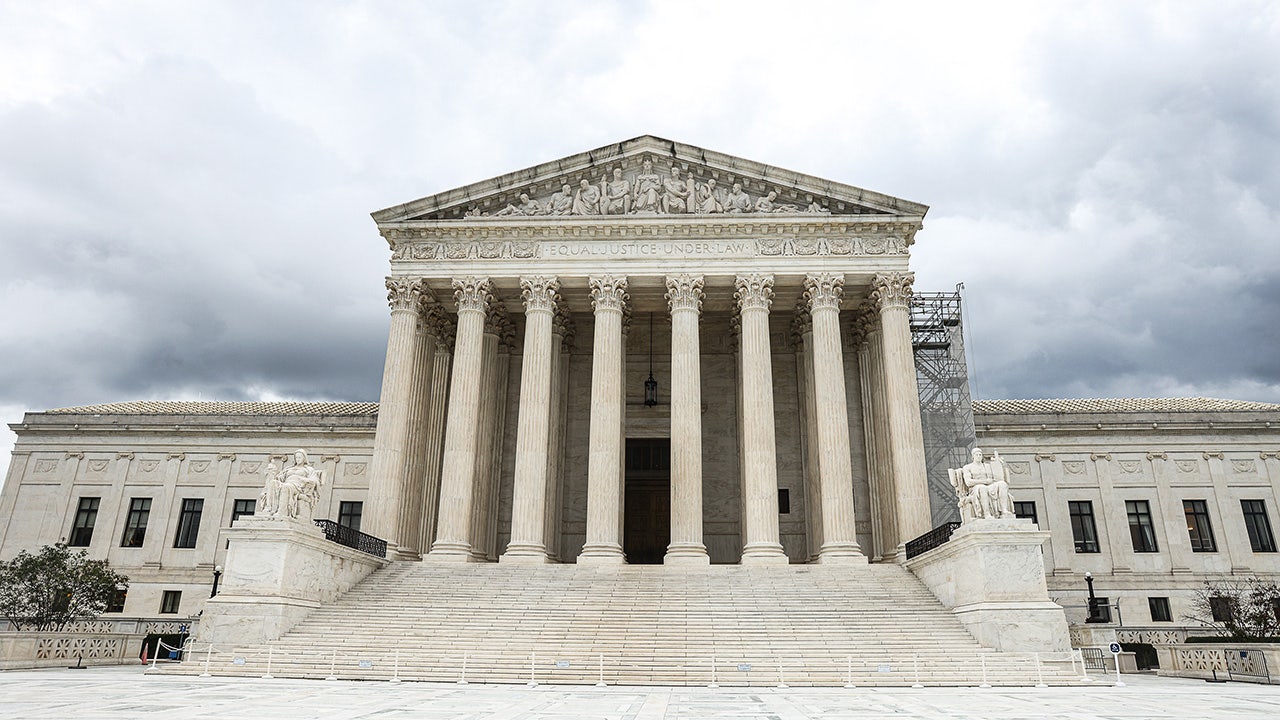
The U.S. Supreme Court has recently expanded its jurisprudence in the realm of religious exemptions and public education, as it prepares to hear a pivotal case involving Catholic schools challenging Colorado’s universal pre-kindergarten program. This case, which centers on the intersection of religious freedom and state mandates, highlights the evolving legal landscape at the highest court.
How Does This Case Shape Future Legal Battles?
The case arises from a conflict between Colorado’s statewide pre-K initiative, which aims to provide early childhood education to all children, and Catholic schools that argue the program violates their religious principles. Specifically, Catholic schools have refused to enroll children whose parents are gay, citing objections to the moral implications of such partnerships. The Supreme Court’s involvement signals a critical moment in defining the boundaries of religious exemptions in public education.
- Catholic schools in Colorado have historically been exempt from state-mandated programs, citing religious objections to teaching in environments they consider incompatible with their doctrines.
- The state’s universal pre-K program, which covers children as young as age 3, has faced criticism for potentially forcing religiously affiliated institutions into participation.
- Legal precedent from past cases, such as Employment Division v. Smith (1990), has previously established that religious beliefs alone do not justify exclusion from government programs.
Legal experts note that this case could set a precedent for how religious institutions navigate state educational requirements. The Court’s decision will have implications beyond Colorado, potentially influencing similar disputes nationwide.
Advocates for religious freedom argue that the state’s program infringes on the right to refuse participation based on moral convictions. Conversely, proponents of inclusive education emphasize the importance of early childhood participation for all children, regardless of family composition.
As the Court weighs this case, it underscores the ongoing tension between religious liberty and the state’s duty to ensure equitable access to public services. The outcome will likely influence future rulings on religious exemptions in education and beyond.