DRC Government and M23 Rebels Unite to Secure Humanitarian Access Amidst Crisis

Editor 20 Apr, 2026 ... min lectura

Democratic Republic of Congo (DRC) has seen a significant shift in its conflict dynamics as the government and the M23 rebellion group have announced a critical agreement aimed at safeguarding civilians and enabling vital humanitarian operations. This landmark deal, brokered with international support, marks a pivotal moment in the ongoing struggle to stabilize the eastern region of the country.

The agreement, formalized through direct negotiations between the DRC government and the M23 rebels, includes commitments to protect civilians, ensure the safe passage of aid deliveries, and reduce attacks on humanitarian convoys. The deal comes as the United States and other international actors have been working to address the dire situation in a region where over 11 million people have been displaced since 2018, with many living in extreme poverty and lacking access to basic necessities.

Why is this agreement so critical for the DRC's humanitarian situation?

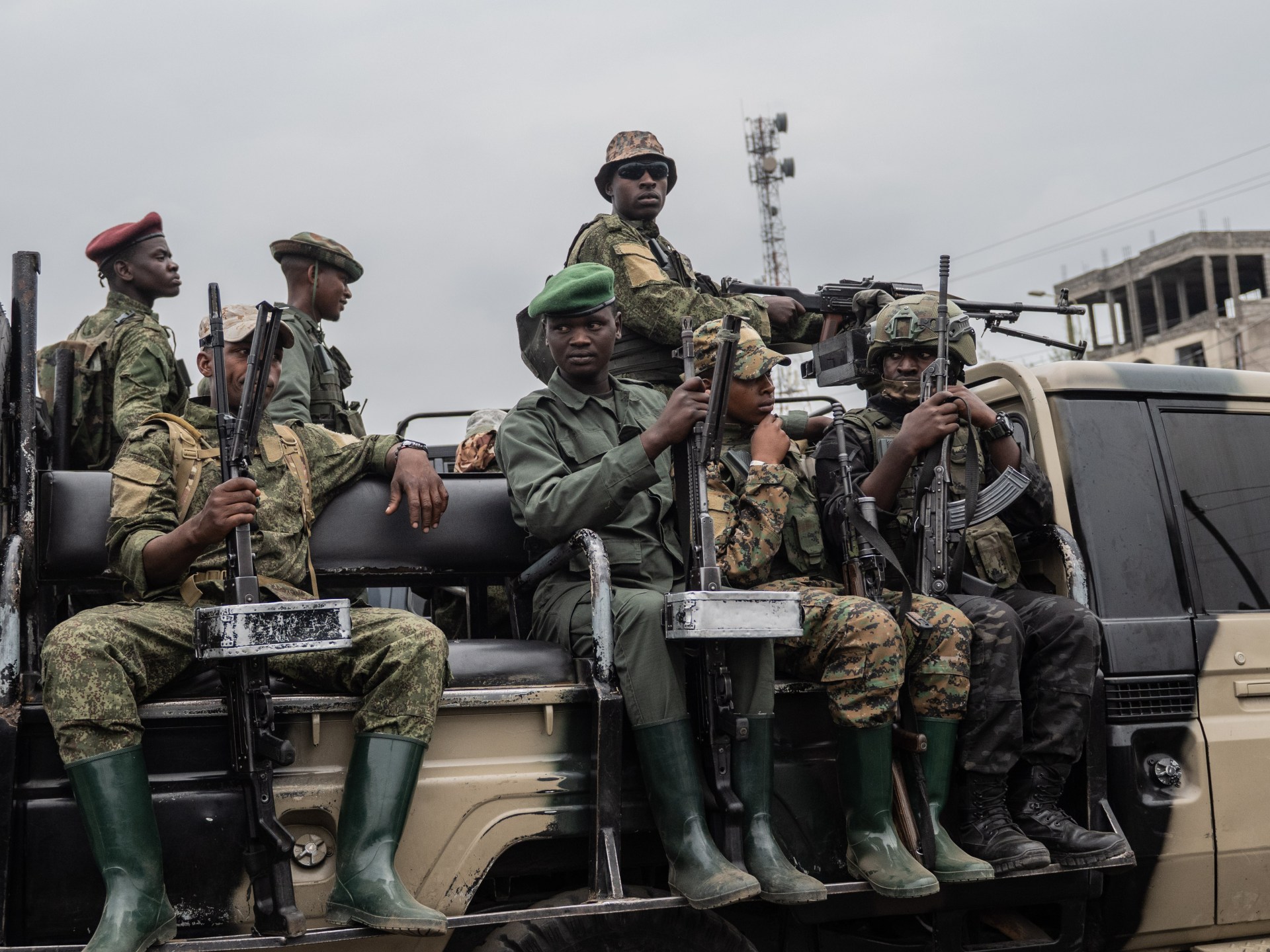
The eastern DRC has long been a hotspot for conflict, with armed groups like the M23 having operated in the region for years. The M23, which has been linked to various armed conflicts and human rights abuses, has historically been a major obstacle to delivering aid to vulnerable populations. By agreeing to ease travel for aid convoys and refrain from civilian attacks, the M23 rebels are taking a step toward addressing the urgent needs of communities already suffering from the effects of prolonged instability.

Historically, the DRC government has faced challenges in maintaining control over the eastern regions, which have been plagued by violence and exploitation. The M23, a group that has been active in the eastern part of the country, has often been at odds with government forces, leading to significant disruptions in humanitarian efforts. This agreement represents a rare moment of cooperation between the two parties, which could have a profound impact on the future of aid delivery in the region.

  • Protection of civilians is a key component of the deal, ensuring that aid convoys can move through conflict zones without fear of attack.
  • The agreement also includes a commitment to refrain from civilian attacks, a critical step toward reducing casualties and promoting peace.
  • International actors, including the United States and the African Union, are monitoring the implementation of the agreement to ensure accountability.

Despite the positive steps taken, challenges remain. The DRC government must continue to address the root causes of the conflict, such as the presence of armed groups, corruption, and lack of resources. The M23 rebels, while making commitments, must also demonstrate a commitment to long-term peace and stability. Without sustained efforts, the agreement could be undermined by continued violence and political instability.

The situation in the DRC remains complex, with many stakeholders working to ensure that the agreement is implemented effectively. This partnership between the DRC government and the M23 rebels is a crucial step toward restoring peace and security in the region, providing hope for millions of displaced persons and communities that have been affected by conflict.