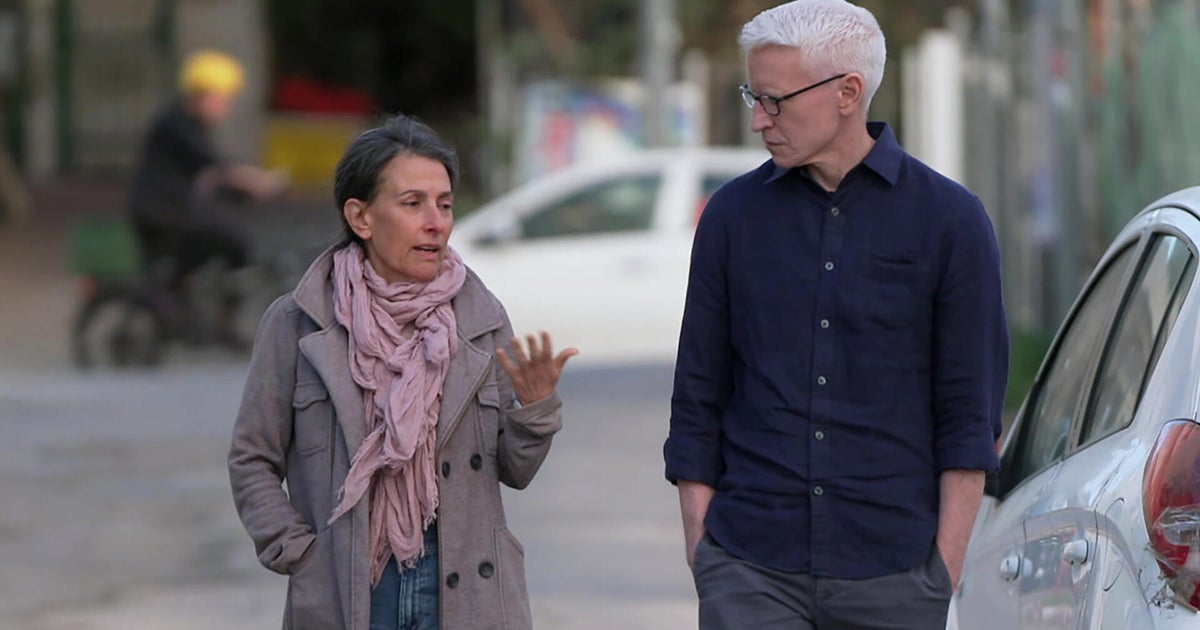
Grief as a Badge of Love: Rachel Goldberg-Polin's Journey Through Loss

Editor 20 Apr, 2026 ... min lectura

For Rachel Goldberg-Polin, the loss of her son Hersh—abducted October 7, 2023, and murdered by Hamas—has become the defining chapter of her life. As an American-Israeli living in Jerusalem for 18 years, she has transformed her grief into a powerful, unyielding force for change. Her story is not just personal; it’s a universal testament to the resilience of mothers who have lost children to conflict.

Since the outbreak of hostilities in Gaza, millions of families have faced unimaginable trauma. Rachel’s experience, however, stands out for its depth and specificity. She has kept her son’s room as he left it, with one exception: a ball of tape, each piece labeled with a number. This small yet profound detail reveals her meticulous attempt to preserve Hersh’s identity and legacy.

How Does Grief Become a 'Badge of Love'? A Question for the Future

Rachel’s words echo across global conversations about loss and resilience: 'Grief is a badge of love.' This phrase encapsulates her journey not as a passive reaction to tragedy, but as an active commitment to honoring her son’s memory through advocacy and action.

When Hersh was taken by Hamas during the October 7 attacks, Rachel was immediately mobilized into the fight for his return. She joined thousands of others in demanding accountability, advocating for the safe return of Israeli hostages, and sharing her story with the world. Her efforts have been both poignant and politically significant, highlighting the intersection of personal loss and national security.

Unlike many who might retreat into silence after tragedy, Rachel has chosen to engage publicly. She has spoken at international forums, shared her story through interviews, and worked with organizations dedicated to preventing further loss. Her actions are a reminder that grief can be a catalyst for meaningful change.

  • Rachel’s decision to preserve Hersh’s room reflects her deep commitment to keeping his spirit alive.
  • Her advocacy has brought attention to the systemic failures in hostage recovery efforts.
  • Her story underscores the global impact of the October 7 attacks on families.

What makes Rachel’s journey particularly powerful is its connection to broader societal issues. As a mother who has lived in Israel for 18 years, she understands the complexities of the conflict without being a political partisan. Her perspective offers a nuanced view of the war’s human toll, which resonates with audiences worldwide.

The narrative of Rachel Goldberg-Polin is more than a personal tragedy—it’s a call to action. In a world where conflict often reduces individuals to statistics, her story reminds us that behind every number is a life, a memory, and a love that refuses to be forgotten.