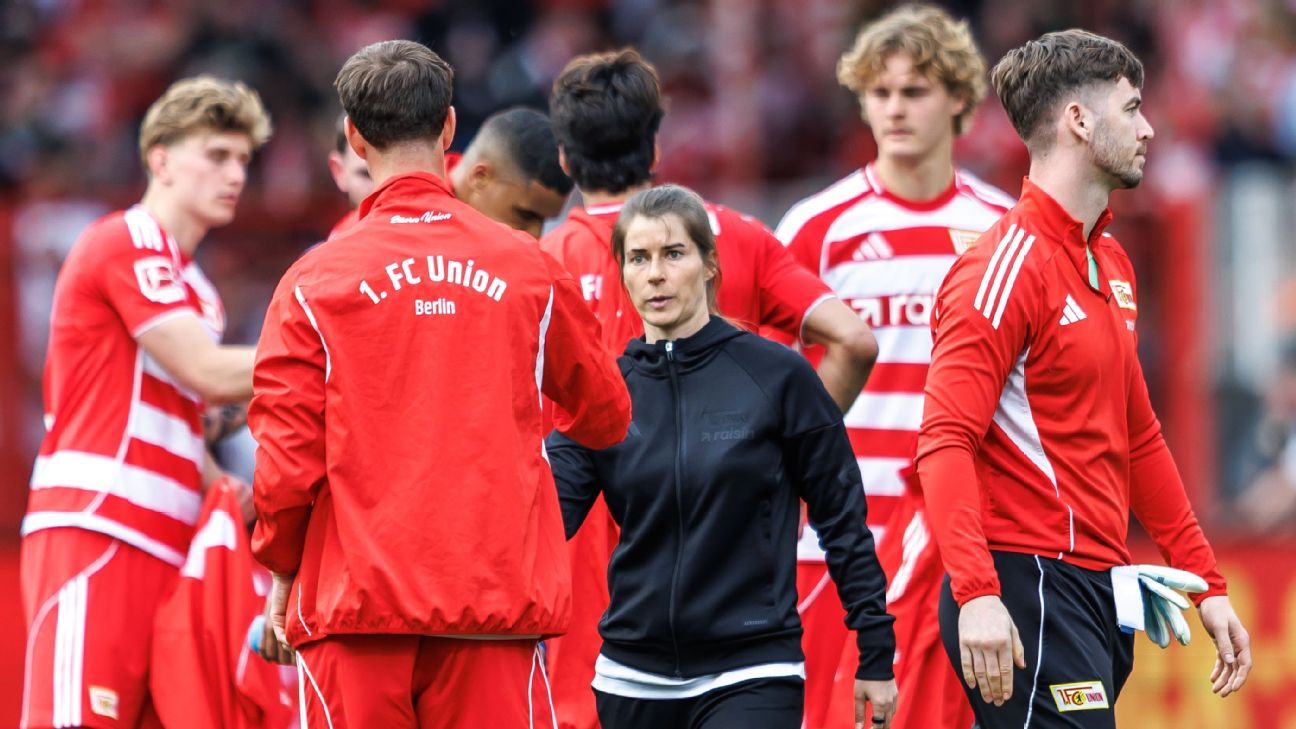
Marie-Louise Eta has made history as the first woman to coach a men's team in one of Europe's top five leagues. Her appointment as the interim head coach of Union Berlin's men's squad marks a watershed moment in football's evolving gender dynamics. Eta, a former German national team midfielder and renowned for her tactical acumen, stepped into the spotlight after a series of strategic decisions by the club and the German Football Association (DFB).
The announcement sparked immediate backlash from some quarters, with critics arguing that Eta's presence as a male-dominated sport's coach could undermine women's football. However, Eta's background in women's football and her commitment to gender equality have made her a pivotal figure in reshaping the sport's narrative. Her decision to coach a men's team, rather than a women's squad, has raised questions about the intersectionality of gender and sport.
Why is this historic moment significant?
For years, women's football has struggled with visibility and resources, often relegated to secondary status. Eta's entry into men's football represents a critical step toward dismantling these barriers. Her appointment highlights the growing recognition of women's expertise in tactical and strategic planning.
Union Berlin's decision to appoint Eta as interim head coach follows a period of intense debate about the role of women in leadership roles within football. The club has emphasized Eta's ability to bridge the gender gap and her commitment to inclusive coaching practices.
- Historic milestone: Eta becomes the first woman to lead a men's team in a top-five European league
- Context: Her background in women's football and gender equality advocacy
- Reactions: Mixed responses, with some calling it a 'diservice to women's football' as noted by The Athletic
Despite the controversy, Eta's appointment underscores the urgent need for gender diversity in sports leadership. Her journey from a prominent figure in women's football to the men's squad has been a testament to her dedication to breaking down barriers.
As the debate continues, Eta's role remains pivotal. The sport's future depends on how well clubs and federations can integrate women's expertise into men's structures without compromising the integrity of each division.