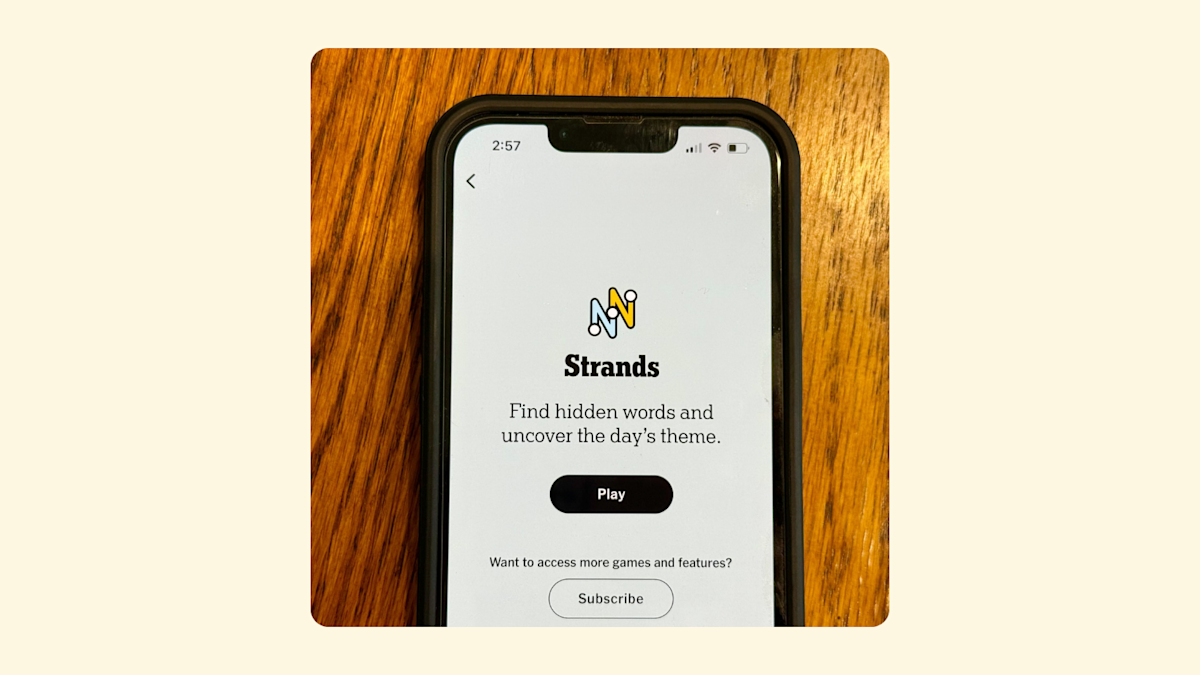
Imagine a world where your digital interactions leave subtle, invisible traces—threads of change that shape how you connect, communicate, and create online. This is the essence of small change strands, a phenomenon emerging from the New York Times Strands puzzle series. These seemingly minor shifts in language, behavior, or design have profound implications for digital culture, offering a unique lens through which we can examine modern internet behavior.
What Are Small Change Strands?
At first glance, small change strands might seem like a fleeting trend. But they are far more nuanced. They refer to the cumulative impact of minor adjustments in digital ecosystems—such as subtle shifts in user behavior, algorithmic tweaks, or linguistic patterns that ripple through online communities. Unlike explosive digital transformations, these strands operate quietly, often going unnoticed until they reshape entire systems.
Consider the Strands puzzle series itself: a weekly challenge that encourages users to explore interconnected clues and solutions. Each puzzle’s hint system reveals how small, seemingly isolated changes can lead to significant shifts in understanding and behavior. This mirrors real-world digital evolution, where minor tweaks in design, language, or interaction patterns accumulate into larger cultural shifts.
Why Small Change Strands Matter
- Behavioral Insights: Studies show that minor adjustments in user interfaces can increase engagement by up to 30% without disrupting the core experience.
- Algorithmic Adaptation: Platforms like TikTok and Instagram constantly refine their recommendation algorithms through small, iterative changes that subtly influence what users see.
- Cultural Resonance: A single phrase or trend can evolve into a widespread movement within hours, thanks to the interconnectedness of online communities.
These strands highlight the delicate balance between innovation and stability in digital spaces. They remind us that progress often happens through incremental steps rather than radical overhauls.
For instance, the Strands puzzle’s focus on interconnected clues mirrors how digital platforms use small change strands to foster community and creativity. Each user’s interaction with a puzzle contributes to a larger network of insights, much like how individual actions shape digital ecosystems.
As we move forward, understanding these subtle shifts will be crucial for building more intuitive, user-centric digital experiences. The challenge lies in recognizing when a small change becomes a significant strand—before it’s too late.