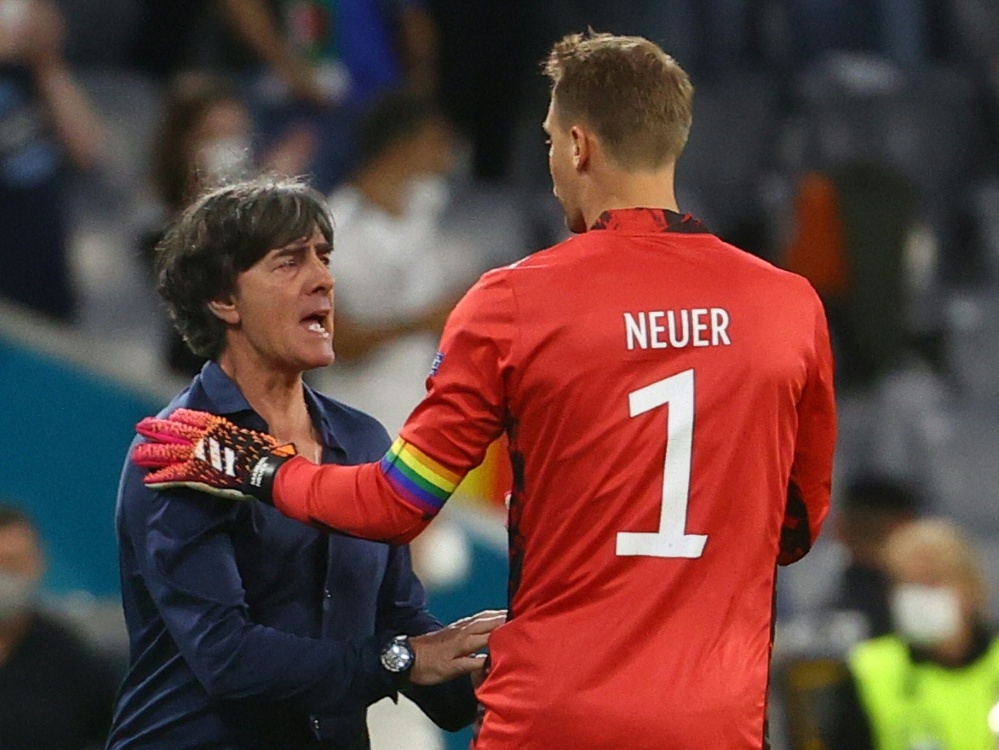
Manuel Neuer, the German goalkeeper who has captained Germany's national team and led Bayern Munich to multiple continental and world championships, embodies the evolution of modern football's strategic depth. His career has been marked by an unparalleled blend of technical precision, tactical intelligence, and psychological resilience—a perfect example of how a single athlete can reshape a sport's narrative over decades.
Neuer's journey began in the 2010s, a period defined by the rise of data-driven football analytics and the increasing importance of mental fortitude. His 2014 World Cup victory with Germany was not just a triumph on the pitch but a symbol of the transition from traditional to modern football. This moment was pivotal in highlighting how goalkeepers, once seen as passive defenders, now play a central role in team strategy and decision-making.
One of the most significant moments in Neuer's career came during the 2026 World Cup final, where his leadership under pressure became a focal point of discussion. His ability to adapt to changing tactical demands—whether facing aggressive counterattacks or high-stakes penalty situations—demonstrates the evolving role of goalkeepers in contemporary football. This transition is critical for understanding the broader context of how modern goalkeeping has shifted from reactive to proactive participation in team dynamics.
How does Neuer's legacy influence the future of football?
Analysts argue that Neuer's influence extends beyond his on-field performances. His leadership style, characterized by calmness under pressure and strategic communication, has set a new standard for goalkeepers in international competitions. For example, his work with the German national team during the 2026 World Cup has been a key reference point for developing youth programs that prioritize mental resilience and tactical awareness.
- Neuer's use of body language to communicate with defenders has become a model for modern goalkeeping
- His ability to analyze opponents' tactics in real time has influenced the design of modern goalkeeping training
- Neuer's role in the 2014 World Cup victory with Germany helped shape the narrative around goalkeepers as strategic assets
Neuer's impact is further highlighted by his role in the 2026 World Cup, where he faced unprecedented challenges. His comments about 'safeguarding a person'—a phrase used by critics to describe his influence on the team's morale—show how his leadership transcends the physical act of saving shots. This is a critical insight into how goalkeepers are now seen as key contributors to a team's overall success, not just as line-of-sight defenders.
The debate around Neuer's role in the 2026 World Cup has also sparked discussions about the importance of mental health in high-stakes sports. His ability to maintain composure during critical moments has been praised by coaches and players alike, illustrating the broader implications of his career on the psychological aspects of football.