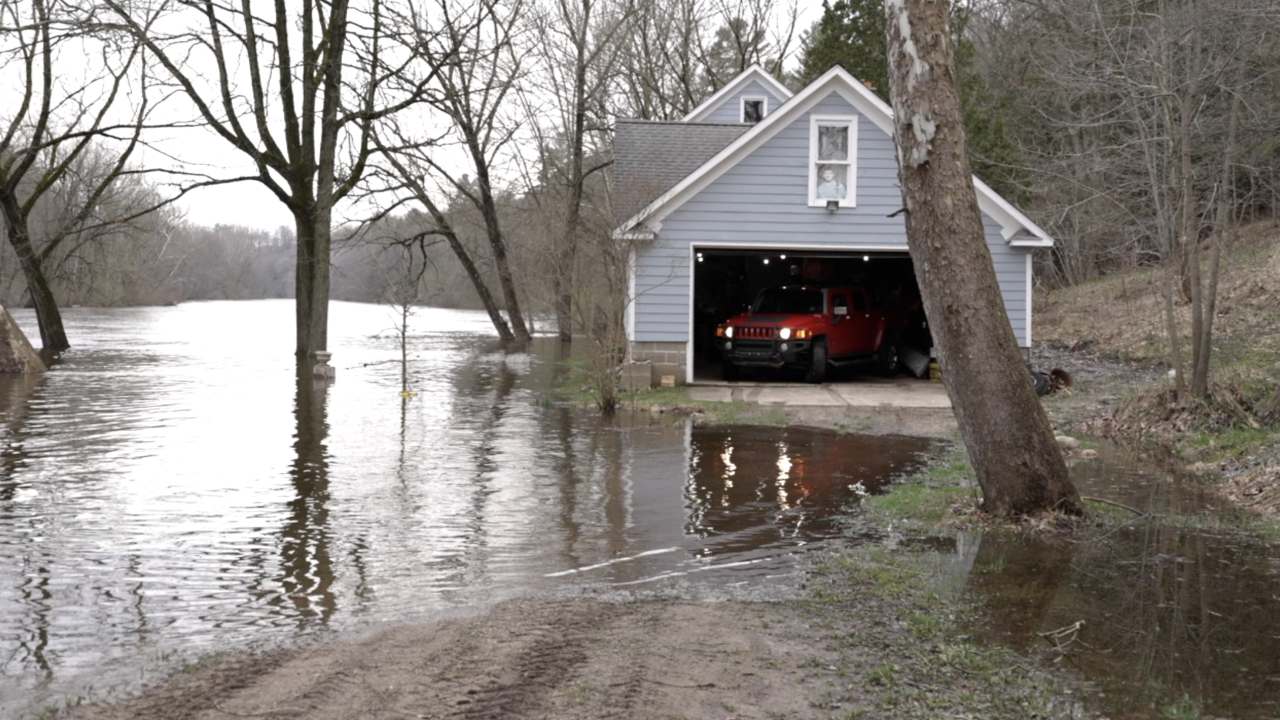
Residents in the Muskegon River floodplain below Croton Dam are facing immediate evacuation orders due to rapidly rising water levels. Newaygo County Emergency Services has issued a critical alert, urging immediate action to avoid life-threatening conditions. The Muskegon River, known for its unpredictable seasonal fluctuations, has reached unprecedented heights near the dam, prompting emergency crews to deploy rapidly.
The situation escalated abruptly as river levels surged past critical thresholds, triggering the first-ever mandatory evacuation order for this area. Local authorities confirmed that water levels have climbed over 3 feet since midweek, with forecasts predicting further increases. This is not an isolated incident; the Muskegon River has a history of severe flooding, but the current rate of rise is alarming due to prolonged rainfall and snowmelt from the Upper Peninsula.
Why is the Croton Dam Crisis so Urgent?
Understanding the severity of the situation requires context. The Muskegon River flows through a geographically vulnerable region where the riverbed is shallow and prone to sudden overflows. Croton Dam, built in the 1930s, is designed to regulate water flow but has been strained by extreme weather events becoming more frequent. Unlike modern dams, this structure lacks real-time monitoring systems, creating a critical gap in early warning capabilities.
Historically, the river has caused significant damage, with the most severe flooding occurring in 1952 when the Muskegon River overflowed its banks, displacing over 1,000 residents. Today, the same patterns are resurfacing with heightened intensity due to climate change. Newaygo County officials emphasize that this is the first time in over 70 years that a flood warning has been issued for the area south of Croton Dam.
- Evacuation zones stretch from the riverbank to approximately 1 mile inland
- Emergency shelters are already operational at three community centers
- Residents are advised to evacuate immediately via the 13OYS app for real-time updates
Residents must act swiftly, as the Muskegon River’s current flow rate is 10 times higher than typical seasonal peaks. This unprecedented surge is the result of a combination of factors, including record rainfall, snowmelt from northern lakes, and reduced water storage capacity at the dam.
Local officials have stressed that delays in evacuation could result in catastrophic consequences. The Muskegon River’s floodplain is particularly susceptible due to its low-lying topography and aging infrastructure. The emergency response team has mobilized additional resources, including sandbags and pumps, to mitigate immediate threats, but the situation remains volatile.
As the crisis unfolds, community leaders are working with meteorologists to monitor the river’s behavior closely. The Muskegon River’s historical behavior has been documented in local archives and scientific studies, highlighting the need for adaptive strategies to protect vulnerable populations.
Residents are urged to check their evacuation plans, familiarize themselves with emergency procedures, and avoid risky areas. The Muskegon River’s current conditions pose a significant threat to life and property, and immediate action is critical.