When thick, unnatural smoke clouds the skies over Bali's iconic beaches and cliffs, it’s easy to assume volcanic activity is at play. But the reality behind the recent haze over Canggu and Uluwatu isn’t tied to the island’s geothermal activity at all. This isn’t an eruption—it’s a complex web of environmental, economic, and social challenges unfolding across Indonesia’s most popular tourist destination.
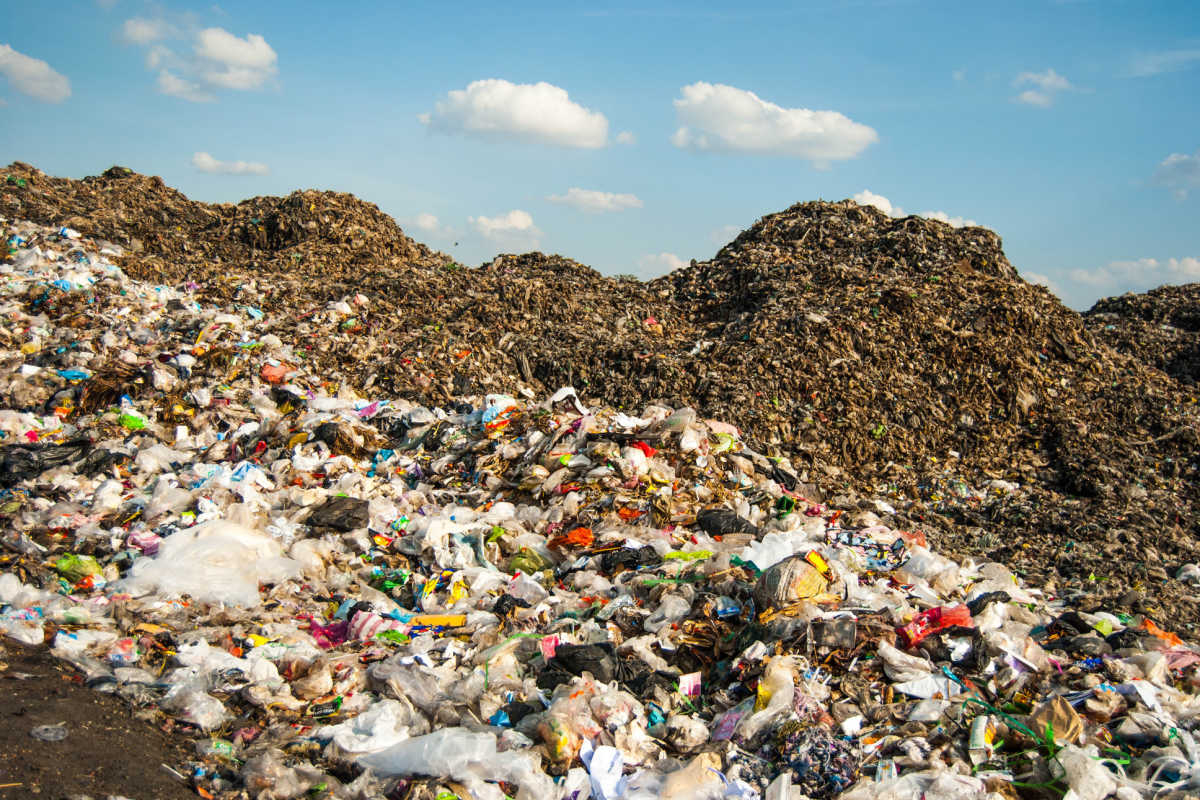
Bali’s struggle with waste management has become a critical issue for both residents and visitors. Since April 12, the Suwung landfill in Bali has been operating at near capacity, unable to accept organic waste, which makes up two-thirds of all trash generated on the island. This ban, part of a broader effort to reduce landfill use, has forced residents to find alternative disposal methods for their daily waste. As a result, many have resorted to open burning—a practice that releases harmful pollutants into the air, creating the smoky haze that travelers now associate with the island’s landscape.
The situation highlights a pressing problem: Bali’s waste infrastructure is strained by the sheer volume of trash produced by its growing tourism industry. With over 1.5 million tourists visiting Bali annually, the island’s economy heavily relies on tourism, which also drives up waste generation. Local governments have struggled to keep up with the scale of waste, especially as traditional methods like open burning pose serious health risks and environmental harm.
Why Is Bali Burning Trash?
The answer lies in the intersection of policy, infrastructure, and cultural practices. Indonesia’s national strategy to reduce landfill use has been implemented with varying success across regions. In Bali, the ban on organic waste in landfills has pushed communities to adopt informal methods like open burning. This isn’t a choice made lightly—it’s a response to the lack of viable alternatives. Open burning, while temporary, releases fine particulate matter (PM2.5) and toxic chemicals like benzene and formaldehyde, which can cause respiratory issues and long-term health impacts.
For residents, this is a practical solution to an immediate problem. Many families in rural areas lack access to proper waste collection systems, and the landfill’s capacity has been exhausted. The government’s push to promote recycling and composting has also faced challenges due to limited resources and low public awareness.
- High volumes of organic waste (60% of Bali’s total waste) are being burned due to the landfill’s capacity limits
- Health risks from open burning include increased PM2.5 levels, linked to asthma and cardiovascular diseases
- Community reliance on open burning as a last-resort disposal method
Understanding this context is crucial for travelers who might be concerned about the air quality they encounter during their visit. The smoke they see isn’t volcanic—it’s a symptom of systemic waste management failures that have been exacerbated by rapid tourism growth and infrastructure gaps.
As the situation evolves, Bali’s response will likely involve a mix of policy adjustments, community engagement, and infrastructure investment. With tourism remaining a key economic driver, balancing environmental protection with the needs of a growing tourist population will be critical for the island’s sustainability.