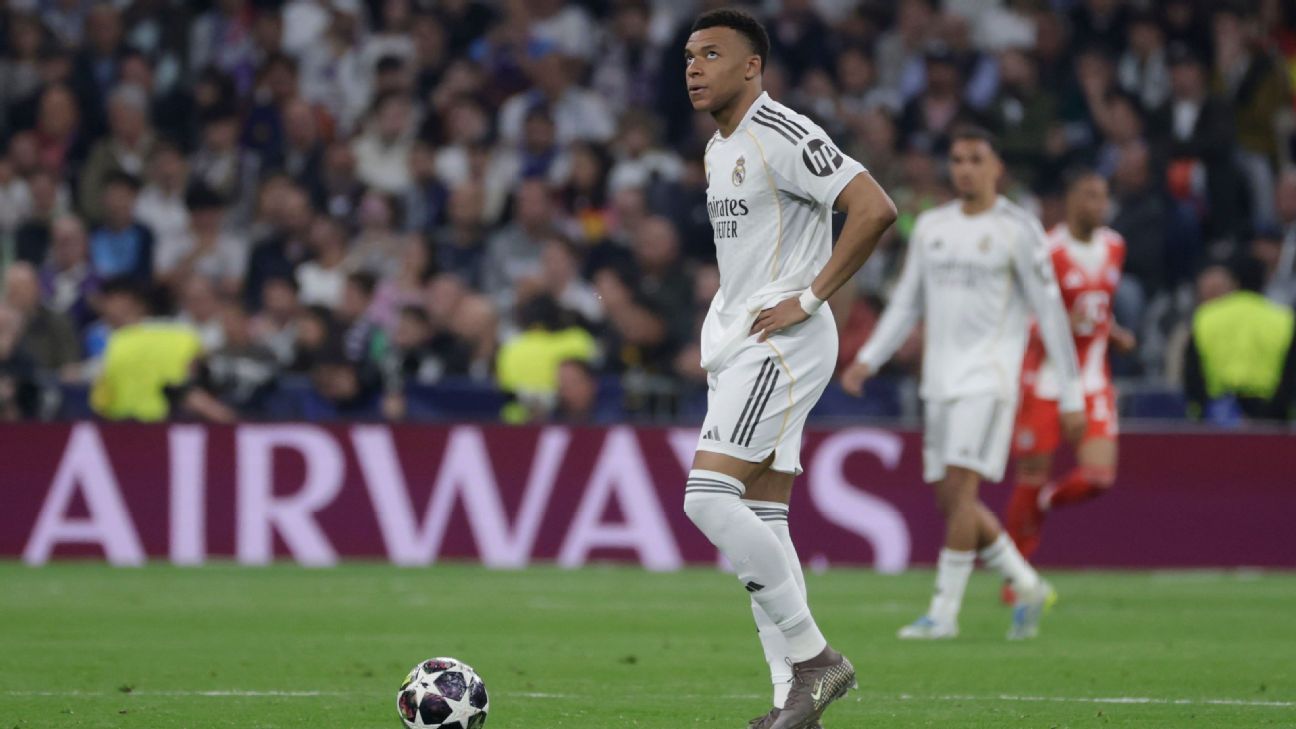
As the UEFA Champions League enters its most anticipated chapter, Real Madrid and Bayern Munich’s clash in the Champions League quarterfinals has become the defining narrative of European football. This match, played under the banner of 'Europe’s Greatest Clásico,' carries immense historical weight and strategic implications for both clubs and their fanbases.
Real Madrid, with their storied legacy of 14 European Cup titles, faces a critical test in this high-stakes encounter. Their recent performance in the Champions League has been marked by a blend of tactical adaptability and individual brilliance, particularly from Kylian Mbappé and Toni Kroos. Meanwhile, Bayern Munich, having secured their place in the knockout stages with a dominant performance in the group phase, brings a formidable squad that has proven capable of outmaneuvering even the most resilient opponents.
What Makes This Match So Significant?
Historically, Real Madrid and Bayern have met in the Champions League five times, with Real securing four of those encounters. This rivalry is more than just a clash of styles—it’s a test of dominance in Europe’s most prestigious club competition. The stakes are especially high this year, as both teams are vying for a place in the semifinals, a stage that has historically been a breeding ground for tactical innovation and tactical unpredictability.
Key Tactical Shifts in Recent Matches
- Bayern’s aggressive pressing has been a hallmark of their approach, with players like Joshua Kimmich and Robert Lewandowski executing high-pressing strategies to disrupt the flow of opposition attacks.
- Real Madrid has increasingly relied on deep-lying playmakers like Vinícius Júnior to orchestrate attacks from the backline, a strategy that has paid off in their recent matches against top-tier clubs.
The match itself has been a showcase of tactical nuance and individual brilliance. With Real Madrid’s squad depth and Bayern’s depth in key positions, this game is a prime example of how modern football has evolved into a sport where every player’s role and impact are meticulously calculated.
From a broader perspective, this match underscores the evolving dynamics of Champions League competition. Teams are no longer just competing for points—they’re navigating a complex web of tactical, historical, and psychological factors that can shift the outcome of a single match. The implications for the future of European football are profound, as clubs strive to balance tradition with innovation in a rapidly changing competitive landscape.