When the U.S. immigration detention system becomes a life-or-death scenario, the consequences extend far beyond bureaucratic processes. Recent events have exposed a systemic failure in protecting individuals in detention, particularly those with urgent medical needs. This crisis is not isolated but reflects deeper structural issues within the nation’s approach to immigration enforcement.
Why Are Medical Emergencies Being Ignored in Detention?
Multiple incidents since early 2026 have highlighted a dangerous pattern: detainees denied timely medical care, including a mother of five who required emergency attention at a Texas ICE facility. These cases reveal a critical gap between policy and practice. In one instance, a woman’s chest pain was ignored by healthcare providers while she was in ICE custody—a situation that has drawn national attention and urgent calls for reform.
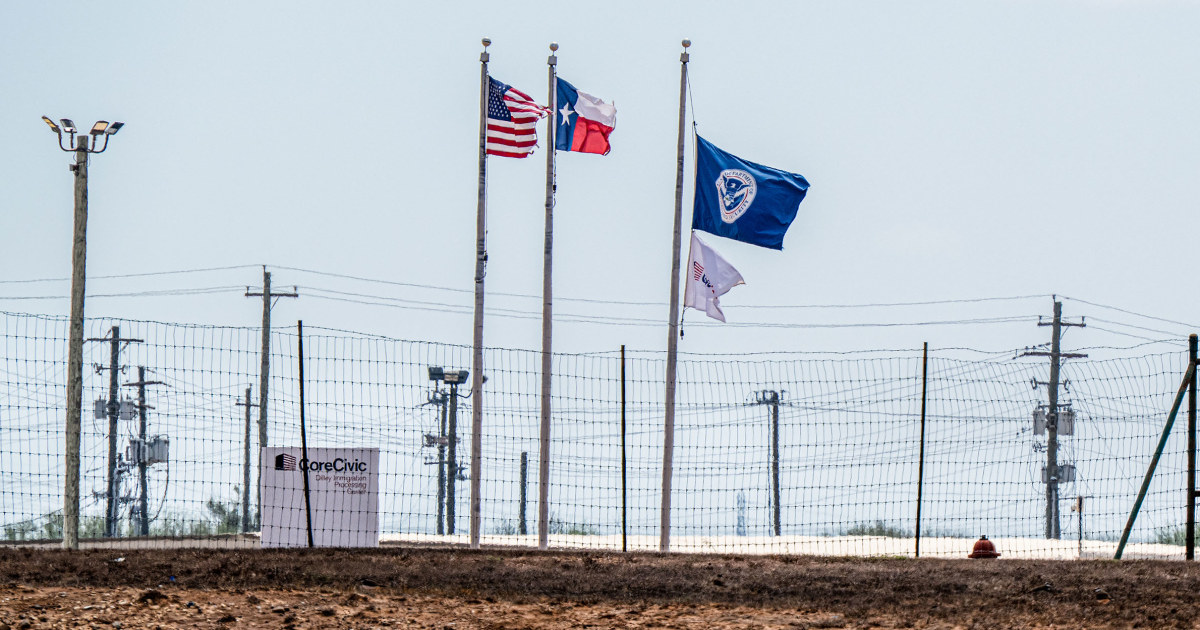
At the Dilley Immigration Processing Center, where a mother of five was taken to the emergency room after being denied care, the consequences of delayed treatment have become tragically clear. The facility’s location in rural Texas and its lack of immediate medical resources have exacerbated the situation, turning a routine health emergency into a potential fatal outcome. This is not an anomaly but a recurring issue within the system.
Experts emphasize that the root of this problem lies in the fragmented nature of the U.S. immigration system. Detention facilities often operate outside standard healthcare protocols, leading to gaps in emergency response. When a detainee needs immediate care, the process of coordinating with local hospitals can be delayed, resulting in life-threatening delays.
What Happens When Medical Care is Denied?
- Immediate danger**: Delayed medical care can lead to irreversible organ damage or death within hours.
- Legal and ethical conflicts**: Detainees often face barriers to accessing care due to lack of insurance, fear of legal repercussions, or the facility’s inability to coordinate with healthcare providers.
- Systemic neglect**: Many detention centers are designed for short-term holds, not emergency care, creating a mismatch between facility capabilities and the urgency of medical needs.
The impact of these failures is compounded by the fact that many detainees are vulnerable individuals, such as mothers with children, elderly people, or those with pre-existing conditions. The lack of a clear, standardized protocol for emergency medical care in detention facilities has created a dangerous precedent.
Advocacy groups and medical professionals have called for immediate action, including the implementation of mandatory medical screenings for all detained individuals. This would ensure that those in critical condition receive prompt attention, reducing the risk of preventable harm.
Without intervention, the current system risks turning detention centers into de facto emergency rooms for the most vulnerable, with serious implications for public health and the integrity of the U.S. justice system.