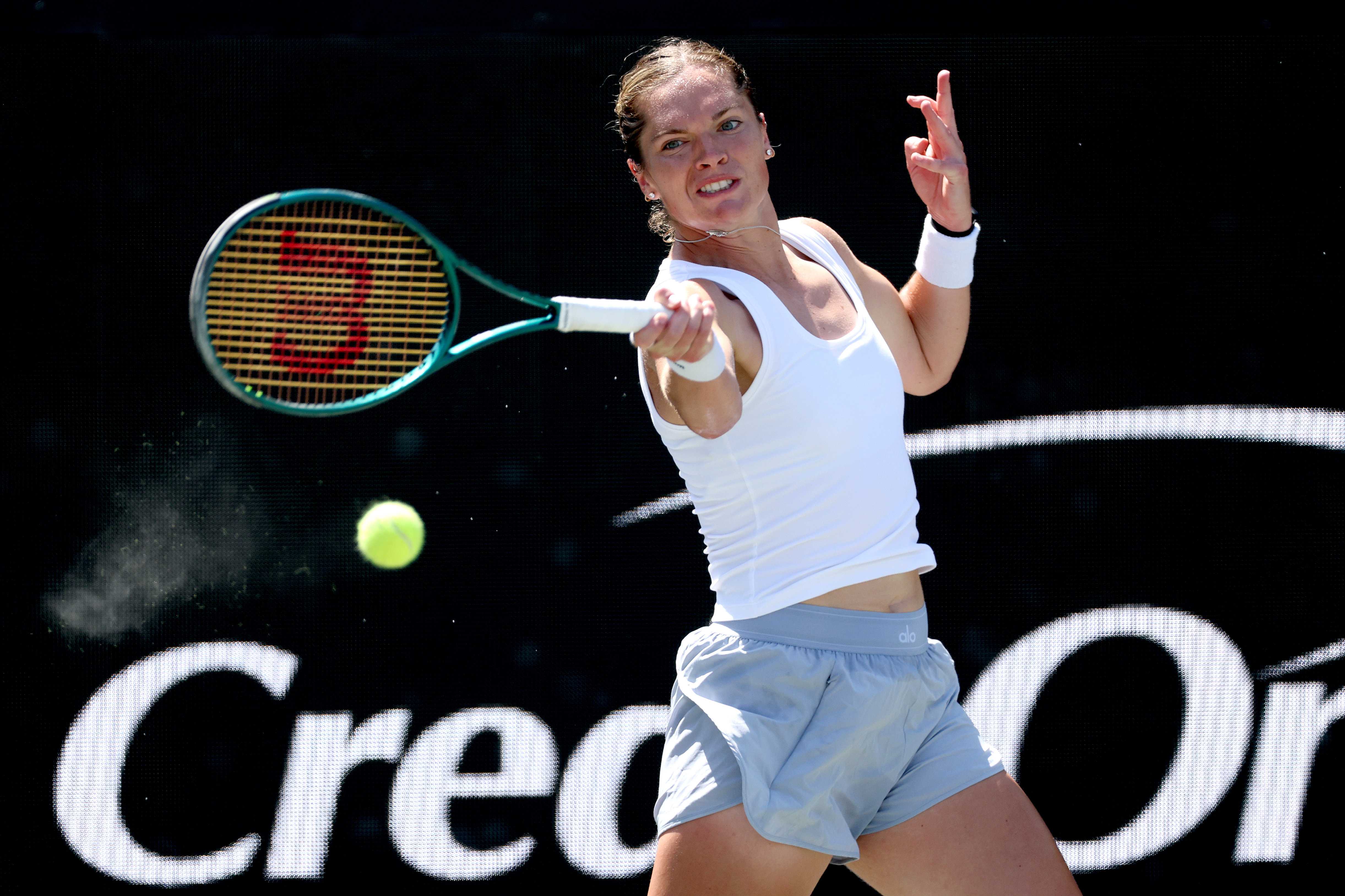
As the Charleston Open approaches its 2026 edition, tennis enthusiasts are dissecting the dynamics of a pivotal match: Ashlyn Krueger versus Peyton Stearns. The odds, as reported by Polymarket, suggest a 100% probability for Stearns' victory in the second round—a figure that has sparked intense debate among analysts and fans alike. This statistic isn't just a number; it reflects a remarkable performance by the 17th-seeded American player, who secured a straight-sets win over a tough opponent on the tournament's green clay courts. This win has set the stage for a potential breakthrough in her career trajectory, particularly as she navigates the complexities of a high-stakes tournament.
Why Does a 100% Probability Matter?
For tennis players and analysts, the concept of 'implied probability' in match outcomes is far more nuanced than it appears. In this case, the 100% figure signals not just confidence in Stearns' skills but a strategic alignment with the tournament's unique conditions. The green clay courts at Charleston, known for their slower ball speed and lower bounce, create a playing environment where consistency and adaptability become critical. Stearns' ability to adjust her game to these conditions has been pivotal in her recent success.
Historically, few players have achieved such a high probability in a single match. The last time a player had an implied 100% probability in a WTA event was in 2022, when a top-10 player faced a lower-ranked opponent on similar court conditions. That event highlighted the importance of court-specific adaptation—a factor that Stearns has demonstrated mastery in.
What Makes Stearns' Performance Stand Out?
- Consistency on Green Clay: Stearns' straight-set win (7-6(8), 7-5) against Krueger demonstrates her ability to thrive on slower, less forgiving surfaces. This is a critical factor in the 2026 Charleston Open, where green clay has historically favored players with strong baseline play and tactical depth.
- Strategic Adaptation: Her adjustments during the match—such as changing serve strategies and improving net play—show a deep understanding of how court surfaces impact game dynamics. This adaptability has been a key differentiator in her recent matches.
- Psychological Resilience: The 100% probability figure also reflects Stearns' mental fortitude, as she navigates the pressure of a high-profile tournament without showing signs of fatigue or inconsistency.
Unlike traditional betting models, which often rely on historical data alone, the 100% probability in this context is a direct result of real-time performance metrics and court-specific conditions. This is a rare example of how modern analytics tools like Polymarket are transforming the way we interpret match outcomes in professional tennis.
Looking ahead, this performance could have far-reaching implications for the 2026 Charleston Open. If Stearns continues to perform at this level, she could establish herself as a top contender in the WTA rankings, particularly on green clay courts. However, the challenge lies in maintaining this level of performance across diverse surfaces and match conditions.