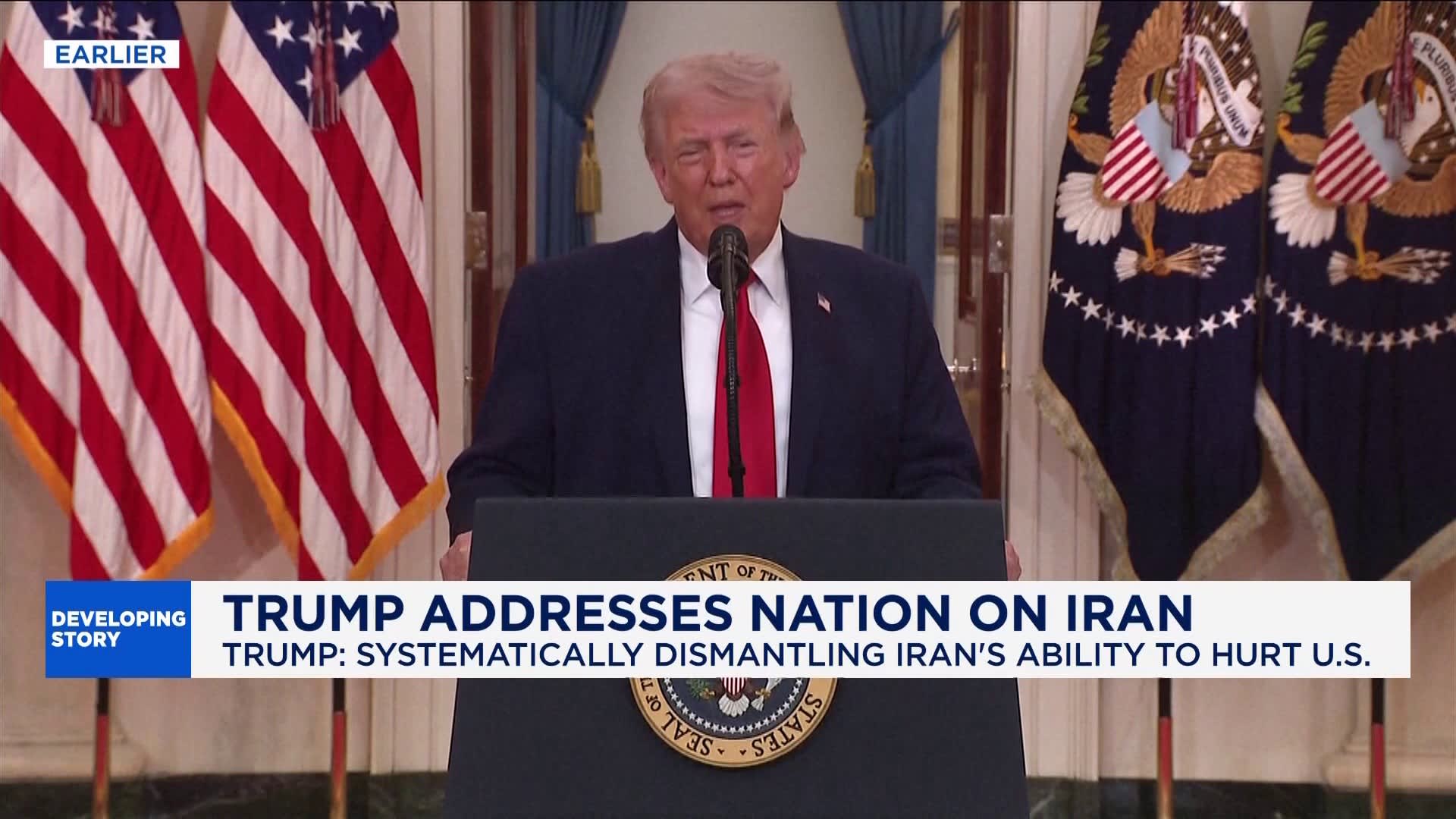
Why Trump’s Iran Threat Sparks Global Market Turmoil: What Investors Are Watching

Editor 02 Apr, 2026 ... min lectura

As global markets grapple with escalating geopolitical tensions, the U.S. stock market’s reaction to President Trump’s recent comments about Iran has sent shockwaves through financial centers worldwide. The Dow Jones Industrial Average and other key indices are under intense scrutiny as investors weigh the implications of a potential military escalation. This isn’t just about short-term volatility—it’s a pivotal moment for understanding how political rhetoric directly impacts global capital flows.

How a Single Statement Can Send Stocks Reeling

On the eve of a critical meeting between U.S. and Iranian officials, Trump’s declaration that he would hit Iran 'extremely hard' triggered immediate market reactions. Within minutes, oil prices surged over 3% as traders anticipated disruptions to supply chains and heightened demand for safe-haven assets. Asian equities plunged sharply, with the Nikkei 225 dropping 2.5% in a single session—a stark reminder that even a single political statement can ripple across multiple asset classes.

The immediate impact wasn’t just limited to the stock market. Futures markets, particularly those tied to the Dow Jones Industrial Average, saw sharp movements as investors scrambled to adjust their risk management strategies. This rapid response highlights the interconnectedness of global financial systems and the speed at which geopolitical events can translate into real-time market adjustments.

What Did the Markets Really Fear?

  • Oil price spikes: A 3% jump in Brent crude prices within 15 minutes of the statement, signaling immediate concerns about global supply disruptions.
  • Regional instability: Increased risk of targeted strikes in the Persian Gulf, which could disrupt critical oil infrastructure and force emergency rerouting of shipments.
  • Flight to quality: Investors shifting capital toward U.S. Treasuries and gold as safe-haven assets amid heightened uncertainty.

These reactions aren’t isolated—they reflect a broader pattern where markets treat political threats as immediate economic indicators. The Dow Jones Industrial Average, which tracks 30 major U.S. companies, has historically been sensitive to geopolitical shocks, with a 1.2% average daily volatility spike following similar statements from the White House in the past two years.

Investors are now focusing on three key areas: the duration of the conflict, the scope of military action, and the potential for diplomatic breakthroughs. Unlike previous crises, this time, the market’s response is more pronounced due to the scale of U.S. military assets and the global reliance on Persian Gulf oil—a factor that’s been underplayed in historical analyses.

As the clock ticks toward a potential military decision, the Dow Jones and other futures markets are poised to test their resilience. The critical question isn’t just what happens next, but how quickly markets can adapt to a new reality where political rhetoric becomes a direct driver of asset valuation.