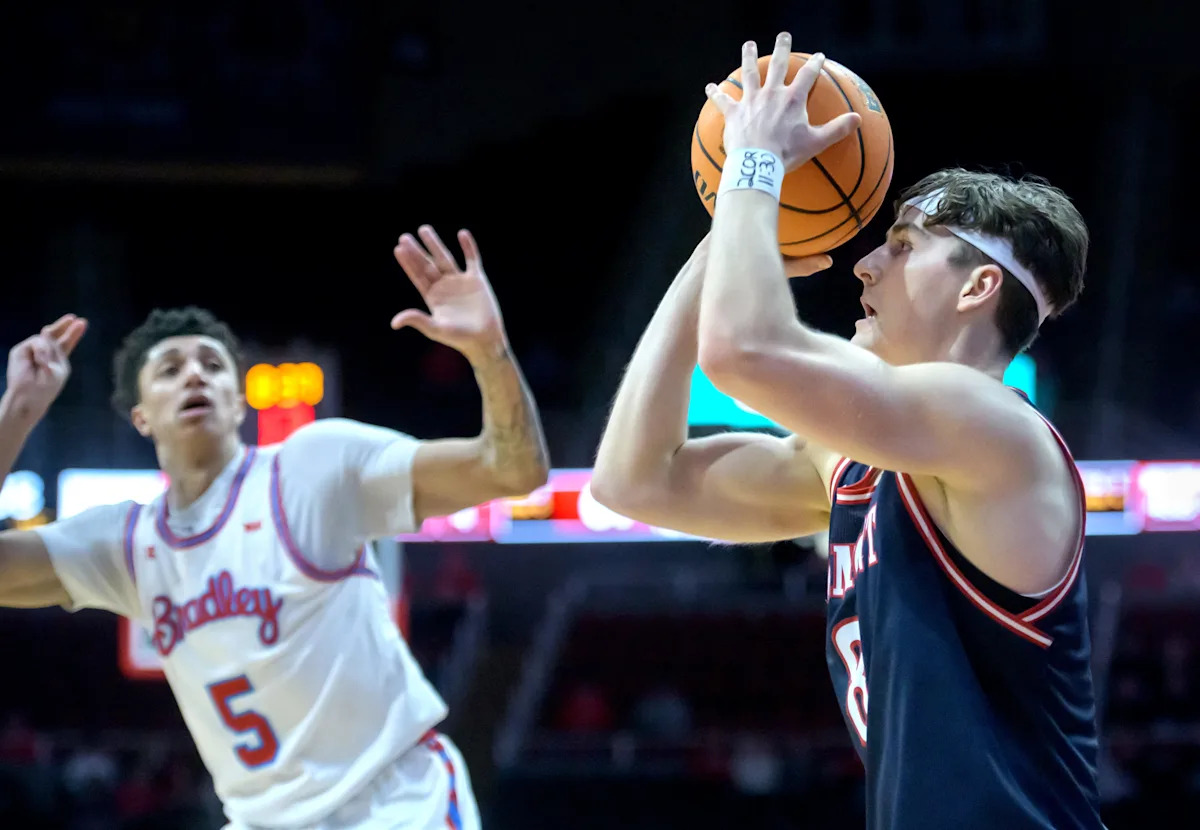
As the 2026-27 NCAA basketball season approaches, Tennessee Volunteers' roster restructuring has become a focal point for college basketball analysts. The transfer portal, a transformative mechanism in collegiate athletics, is poised to significantly impact the Volunteers' performance and strategic planning. Among the most notable developments is the commitment of former Belmont University guard Tyler Lundblade to the University of Tennessee. This move underscores the strategic importance of the transfer portal in shaping team dynamics and competitive balance across the Southeastern Conference (SEC).
Understanding the transfer portal's role requires examining its evolution from a niche practice to a critical component of modern collegiate sports management. Initially designed to allow athletes to transfer between schools without penalty, the portal has grown into a complex system influenced by student-athlete rights, academic policies, and competitive pressures. Tennessee's approach to managing this process reflects a broader shift in how universities leverage the portal to optimize their talent pipelines.
How Tyler Lundblade's Move Signals a Broader Trend
Lundblade's decision to commit to Tennessee represents a pivotal moment in the transfer portal's narrative. His selection was not a random occurrence but a calculated strategic move by both the player and the Volunteers' program. Lundblade, a high-scoring three-point shooter with a 2025 season performance that included eight three-pointers, brings a proven ability to impact offensive strategies. His commitment aligns with Tennessee's strategic focus on developing versatile, high-impact perimeter players.
Historically, the transfer portal has been a contentious topic in college sports, often criticized for creating instability and financial burdens. However, recent data shows that teams like Tennessee have increasingly utilized it as a tool to enhance their roster depth without compromising academic standards or athlete welfare.
What Makes Lundblade's Decision Significant?
- High-scoring potential: Lundblade's three-point shooting ability is a critical asset for Tennessee's offensive strategy.
- Academic alignment: His commitment to Tennessee reflects a growing emphasis on balancing athletic performance with academic eligibility.
- Strategic timing: His decision coincides with the SEC's push for transparency in transfer protocols, which could influence future decisions by other programs.
The broader implications of this decision extend beyond individual athletes. Tennessee's use of the transfer portal to secure players like Lundblade highlights a shift toward more proactive and data-driven roster management. This approach has been met with both praise and criticism, but it remains a critical tool for programs aiming to stay competitive in the evolving landscape of college basketball.
As the transfer portal continues to evolve, the case of Tyler Lundblade offers valuable insights into how teams can strategically navigate this system. His commitment to Tennessee is not just a single transaction but part of a larger trend where schools increasingly prioritize long-term roster stability and strategic alignment with program needs.