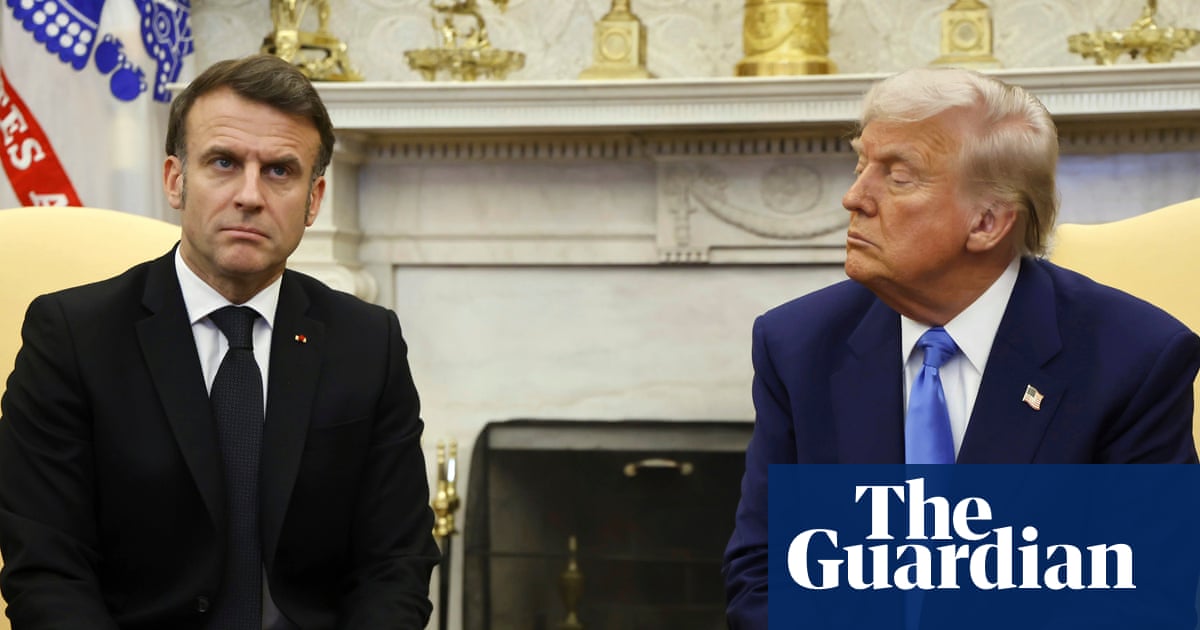
As geopolitical tensions escalate along the Strait of Hormuz, a critical oil artery for global energy markets, former U.S. President Donald Trump has ignited controversy with his recent remarks about the world’s oil supply. His blunt declaration that nations should 'go get their own oil' has shifted focus from diplomatic negotiations to a stark reality: the interconnectedness of energy security and international relations is under unprecedented strain.
Trump’s comments, initially framed as a provocative jab at European nations for not joining military action against Iran, have rapidly evolved into a broader critique of global energy dependency. The Strait of Hormuz, which accounts for approximately 20% of the world’s oil trade, has long been a focal point of international security concerns. With Iran’s nuclear program and regional military actions, the region remains volatile, but Trump’s rhetoric has amplified fears about supply disruptions and economic fallout.
Why 'Go Get Your Own Oil' Matters Now
The phrase has become a lightning rod for analysis, highlighting the fragility of the current global oil market. As U.S. gas prices surge to unprecedented levels—reaching over $4 per gallon—this message underscores a critical shift in energy policy priorities. Unlike traditional diplomatic strategies, Trump’s approach emphasizes self-reliance, a concept historically linked to Cold War-era economic policies and now reimagined for the 21st century.
Geopolitical Implications of Energy Independence
Historically, energy independence has been a cornerstone of national security strategy. During the 1970s oil crisis, countries like the U.S. and its allies sought to reduce reliance on foreign oil, a strategy that remains relevant today. However, the modern context is different: the global energy ecosystem is far more interconnected than in the past, and sudden shifts in supply can trigger cascading economic effects.
- Immediate impact: Prices have risen globally, with European nations facing potential shortages as they try to balance energy needs with geopolitical pressures.
- Strategic shift: Countries like Saudi Arabia and the UAE are accelerating investments in domestic oil production to mitigate risks of supply shocks.
- Market volatility: The U.S. is now the world’s largest oil producer, but its role in shaping global energy policies is increasingly questioned as tensions with Iran persist.
While the phrase 'go get your own oil' may seem simplistic, it reveals a deeper truth: the world’s energy supply chain is no longer a monolithic system. In this context, the phrase has become a symbol of the growing demand for resilient, self-sufficient energy systems.
Experts caution that while short-term market fluctuations are expected, the long-term consequences of this rhetoric could reshape global energy dynamics. Energy security is now a matter of national and international policy, with immediate implications for trade, economic stability, and regional cooperation.