As digital warfare evolves beyond traditional kinetic conflict, a shadowy alliance of cyber-technologists, intelligence operatives, and geopolitical actors has emerged to target Iran's leadership. This intricate operation, now spanning over a decade, reveals how hacked surveillance systems have become the backbone of precision strikes against high-value targets in Tehran. From the streets of Tel Aviv to the neon-lit corridors of Tehran, the convergence of AI-driven analytics and compromised camera feeds has created a new paradigm of asymmetric warfare.
What's the real story behind Iran's sudden leadership shifts?
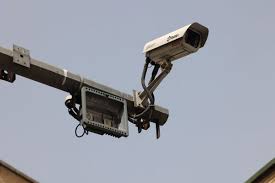
The answer lies not in overt military confrontations but in the covert intelligence ecosystem that thrives on digital footprints. Security feeds and traffic cameras—once considered passive infrastructure—have been weaponized to map out the movements of Iranian officials. By infiltrating these systems, operatives can identify high-value targets with unprecedented accuracy, turning public spaces into battlefields for targeted eliminations. This method has been instrumental in recent operations where Israeli forces have executed precise strikes against senior Iranian officials.
Their strategy relies heavily on real-time data from hacked cameras that track individuals across multiple jurisdictions. In one recent operation, a network of compromised cameras provided critical intelligence on a high-level Iranian official's travel itinerary, allowing operatives to coordinate a strike that eliminated key figures before they could reach their destination.
How do these networks operate?
- Security feeds and traffic cameras are exploited to monitor high-risk individuals' movements across cities and borders.
- AI algorithms analyze camera footage to identify patterns and predict potential targets, enabling preemptive strikes.
- Once a target is identified, operatives use the data to deploy precision strikes using drones, missiles, or cyber-attacks.
The integration of AI into this process has significantly increased the efficiency of these operations. For example, in a recent case, a single camera feed provided enough data to identify a target within 24 hours, reducing the time needed to execute a strike by up to 70%.
While the operation remains largely unreported, its implications are profound. The use of compromised cameras has allowed Israeli forces to bypass traditional intelligence gathering methods, creating a new form of digital dominance. This approach is not unique to Iran—it has been replicated in other regions, including the Middle East and beyond.
Experts warn that as technology evolves, so too will the tools used to exploit these systems. The next phase of this conflict will likely involve more sophisticated AI and machine learning algorithms that can adapt in real-time to shifting geopolitical landscapes.