The $14 Million Ice Cream Lawsuit: How a Single Scoop Shook the Food Safety Landscape

Editor 30 Mar, 2026 ... min lectura

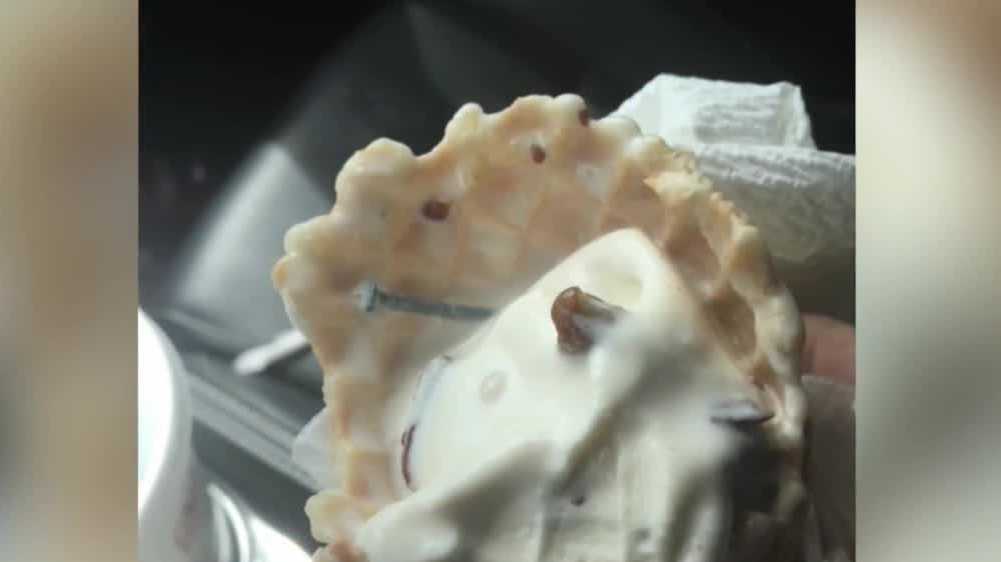
Imagine a life-altering event that unfolds over a simple scoop of ice cream. In the heart of Florida, this exact scenario became reality when a woman won a staggering $14 million lawsuit against a dairy company for serving ice cream contaminated with metal fragments and nails. This case has ignited a global conversation about food safety protocols, regulatory oversight, and the unexpected consequences of seemingly mundane food products.

How Did This Happen? The Unlikely Culprit

According to reports from WKMG and WFLA, the lawsuit centers on a woman in Brevard County who alleged that she consumed ice cream from a local dairy that contained foreign objects such as nails and metal fragments. The incident occurred in a small town where food safety standards were reportedly lax, highlighting a critical gap between consumer protection and industry practices.

The case has drawn attention to the importance of rigorous food safety checks, particularly in the context of ice cream production where foreign material contamination can occur without proper detection systems. Unlike more complex food chains, ice cream production relies heavily on manual processes that may not catch every anomaly.

Why Nails in Ice Cream? The Shocking Details

The plaintiff, whose identity remains protected under legal privacy, claimed to have discovered metal fragments and nails in her ice cream after a routine consumption. This was not an isolated incident but part of a broader pattern of food safety lapses that affected multiple consumers in the region.

  • The dairy facility involved in the case was operating under outdated equipment that failed to filter out metal fragments effectively.
  • Regulatory inspections were reportedly insufficient, with no immediate action taken after previous complaints about foreign material.
  • The victim’s case was unique due to its direct and severe health impact, including potential injuries from ingesting sharp objects.

Experts warn that the presence of nails in ice cream is not just a rare occurrence—it’s a critical breach of food safety standards that should trigger automatic recalls and stricter inspections.

What Does This Mean for the Future of Food Safety?

The $14 million verdict has sent ripples through the food industry, emphasizing the need for proactive measures in preventing such incidents. With the FDA’s recent push for more transparent reporting on food safety issues, this case serves as a wake-up call to industries that handle processed foods.

Food safety experts note that while ice cream is generally considered safe, the risk of contamination increases when production lines are not equipped with advanced metal detectors. This case highlights the importance of integrating technology like metal detectors and AI-powered monitoring systems into food production to prevent such breaches.

Moreover, the case has sparked discussions about the role of consumer awareness and the need for better education on identifying and reporting food safety issues. Many consumers remain unaware of the potential risks associated with food safety violations, which is why this case is particularly significant.

As the legal battle continues, this case has become a benchmark for how food safety standards should be enforced globally, especially in regions with less stringent oversight.