2026 TV Cancellation Surge: Why Your Favorite Shows Are Vanishing from Screens

Editor 30 Mar, 2026 ... min lectura

As the 2026 television season unfolds, a quiet but significant wave of cancellations is reshaping the landscape of scripted programming. This isn't just about losing a single show; it's a strategic recalibration of networks' priorities, audience engagement, and the evolving dynamics of content production. The numbers tell a story: CBS has already canceled three shows, NBC has trimmed six, and Netflix has quietly removed four titles from its 2026 lineup. These figures aren't random—they're the result of a broader industry shift toward data-driven decision-making and the relentless pressure of streaming competition.

Why Are Cancellations Happening Now?

The 2026 cancellation surge is more than a seasonal trend—it's a reflection of the industry's pivot toward cost efficiency and audience retention. Networks like CBS and NBC, which traditionally relied on linear TV models, are facing growing pressure to align their schedules with viewer metrics and streaming platform demands. This isn't a sudden drop-off; it's a calculated response to changing viewing habits, where engagement metrics now outweigh traditional ratings.

When you consider the context of 2026, the industry is navigating a critical transition point. With the rise of niche platforms and the fragmentation of audiences, even long-running shows like The Vampire Diaries and Outlander are facing a reality where their core fanbase might no longer align with the network's strategic goals. This is particularly pronounced for shows that have been on air for over a decade, where the cost of production and the difficulty of reengaging older demographics have become significant barriers.

What Makes the Buffy Pilot So Disappointing?

One of the most talked-about cancellations of the early 2026 season is the revival of The Buffy Pilot. While the series has a dedicated fanbase, its inclusion in the 2026 cancellation list highlights a deeper issue: the tension between nostalgia and contemporary relevance. The Buffy revival, which aimed to explore modern themes through the lens of a 2026 reinterpretation of the original 2000s series, has struggled to connect with today's audience. Its cancellation isn't just a loss for fans—it's a symptom of the industry's struggle to balance legacy content with new, innovative storytelling.

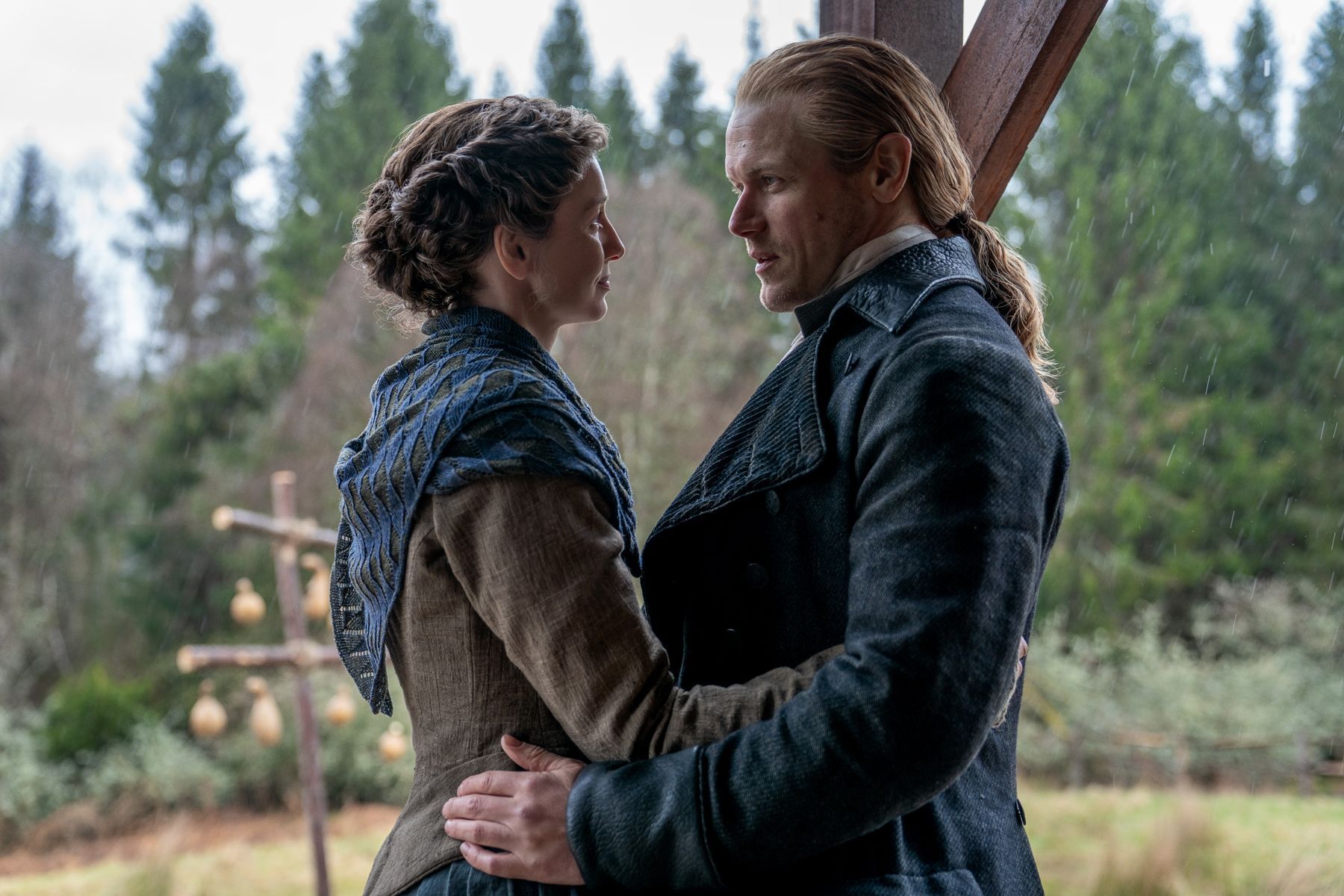
For fans of Outlander, the cancellation of the show's entire series is a poignant example of the dilemma facing networks. The show, which has been a cultural touchstone for over a decade, is now part of a broader pattern of cancellations that reflect the industry's shift toward shorter, more targeted content. The loss of such a long-running series isn't just about losing a show—it's about the fading of a cultural touchstone that once defined a generation.

  • Outlander (2026) - A show that has captivated millions with its historical romance and supernatural elements
  • The Vampire Diaries (2026) - A series that has evolved through multiple seasons and has seen its audience shift
  • The Buffy Pilot (2026) - A revival attempt that aimed to modernize the original franchise but faced backlash

These cancellations aren't isolated incidents—they're part of a larger trend that reflects the industry's struggle to balance legacy content with the demands of a rapidly changing media landscape. As networks look ahead to the rest of 2026, the question remains: will the industry find a way to preserve the cultural significance of these shows while adapting to new audience expectations?